

For most of us, stress feels like the enemy, something to avoid, reduce, or eliminate. But a growing body of research suggests that learning how to make stress your friend may be one of the most important health decisions you ever make. When you change your mindset about stress, from seeing it as toxic to viewing it as a source of energy, meaning, and connection, your body’s response to stress changes too.
This article uses comprehensive research on stress mindset, physiology, and resilience to show you how to make stress your friend in a practical, science-backed way.
Contents
Key Takeaways:
- Your belief about stress is a key factor in how it affects your health, with a positive mindset leading to better outcomes.
- Reframing physical stress responses as signs of energy and readiness can transform your body’s reaction from a threat to a challenge.
- Oxytocin, a stress hormone, promotes social connection and offers cardiovascular protection, making social engagement a healthy response to stress.
- Helping others acts as a powerful stress buffer, eliminating the increased risk of dying associated with stressful life events for those who engage in caring behaviors.
How to Make Stress Your Friend Starts in Your Mind
Your mindset about pressure and overload quietly shapes your body, your health, and your future. When you learn how to make stress your friend, the very same stressors begin to affect you differently.
Believing Stress Is Toxic Can Harm Your Health
For years, you have probably heard that stress is dangerous. Constant warnings can teach you to treat every spike in tension as proof that something is going wrong. Your body only reacts as if it is about to get hurt or pressured when you think stress is harmful.
In a large group of adults, those who felt highly stressed and were convinced stress was harming their health had a sharply higher risk of dying. The stress itself was not the only problem. Their belief added an extra biological burden. Instead of exploring how to make stress your friend, they saw it as a threat to be feared and avoided.
Seeing Stress as Helpful Creates a Protective Mindset
People react differently to hardships or do not have the same response as others. You might be surprised to see certain individuals under constant stress still having a healthy outlook. They view racing thoughts and a pounding heart as the body gearing up to help them handle a challenge. This mindset changes everything.
Those who did not believe stress was harmful actually showed the lowest risk of dying, even lower than people with relatively calm lives. Their belief worked like a psychological shield. By treating stress as energy and information, they naturally shifted into healthier coping responses. This is the heart of how to make stress your friend. When you tell yourself that stress is helping you rise to the occasion, your mind and body begin to cooperate instead of collapse.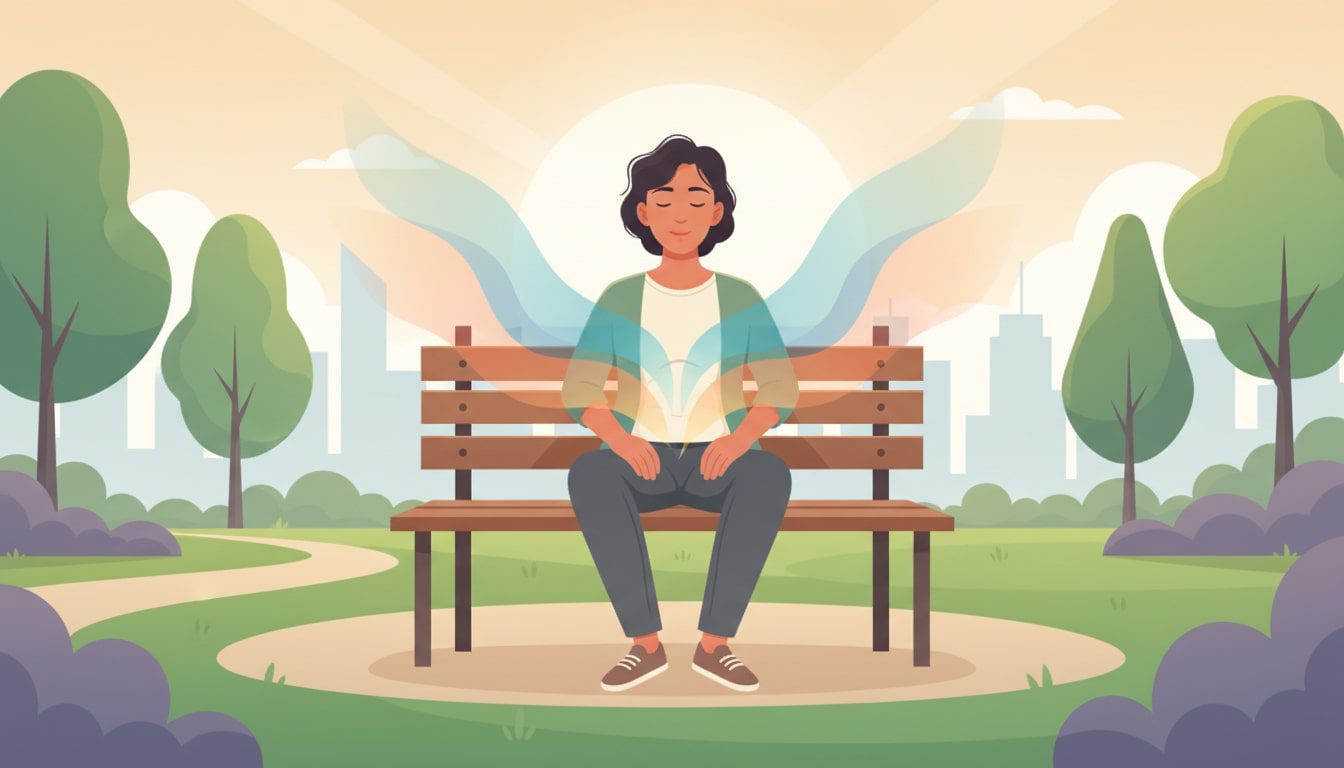
The Story You Tell Yourself Shapes Your Biology
Stressful moments trigger a story in your mind. You might think you are failing or that your health is breaking down. Another option is to tell yourself that your body is mobilizing resources to help you focus, connect, and act. Both stories feel true in the moment, yet they pull your biology in very different directions.
When you choose a supportive story, your heart and hormones respond more healthily. Viewing stress as meaningful effort turns pressure into a signal of commitment and care. This is one practical doorway into how to make stress your friend. By rewriting the inner story, you change whether stress becomes wear and tear or fuel for courage and growth.
Rethinking Arousal: How to Make Stress Your Friend by Transforming Your Body’s Response
Stress causes your heart to pound like crazy while your palms and whole body get sweaty. These are signs that your body is preparing for physical or mental pain. Knowing how to make stress your friend comes from changing your mentality behind how your body reacts to it.
From Threat to Challenge: The Harvard Study Revelation
It is normal for your heart rate to go up as your blood vessel constrict when responding to stress. Your body is responding to a threat and is in a state of alarm. Being in a constante “state of alarm” can lead to adverse health outcomes such as cardiovascular diseases since stress is “stressing” your body.
A Harvard study challenged the notion that stress should be “benefitial” to the body rather than a harmful reaction. It had participants perceive their physical arousal to the stimulant as a means of revitalizing their whole being. With that simple change in mindset, participants noted a positive outcome, showing that they were able to learn how to make stress their friend.
The Biology of Courage: Relaxed Vessels and Renewed Confidence
Reframing how your body perceives stress is a game-changer. You will still feel your heart pounding when under stress. But changing it from how your “body perceives a threat” to how your “body perceives a rousing challenge” against stress can dramatically improve your health. Participants of the study noted how they feel less anxious and more confident when going through stress.
Researchers call this phenomenon as “biology of courage.” Your body is perceiving stress as a positive stimulus for joy and challenges. Going through this change in biology can energize and even calm you when under stress. It shows that changing how you perceive your body’s signal is how to make stress your friend.
Oxytocin and Connection: How to Make Stress Your Friend by Letting It Make You More Social
When you are exposed to stress, chemical reactions begin in your body. This leads to the release of various hormones, including oxytocin. When this occurs, you can take advantage of that hormone when learning how to make stress your friend. 
Oxytocin: The Social Side of the Stress Response
When you react to stress, your body releases oxytocin, among other hormones like adrenaline. Oxytocin is associated with the social aspect of your mind by making you more aware of different people. It helps you perceive how people feel about your speech or approach, allowing you to adjust your tone or response to elicit a positive reaction.
Should you get stressed in parties, meetings, or get-togethers, it does not mean you are in a toxic environment. Your body is setting you up to be the social powerhouse in the room by making connections with other people. Use the oxytocin reaction to pull people towards your inner circle and deepen your relationships with associates. Not only is this a way on to make stress your friend, it is also how to make friends with stress.
How Oxytocin Protects Your Heart Under Pressure
An essential aspect of oxytocin is its effect to your mental and physical state. It is a way of your body needing to slow itself down by having the hormone relax your blood vessels to keep your blood pressure down. Your heart cells and blood vessels can naturally regenerate, caused by stress, thanks to the hormone.
To benefit from the hormone, you need to maintain the mindset that stress is a positive influence on your body. That mindset maximizes the use of oxytocin as you socialize with other people.
Here are other health benefits of the hormone:
- Cardiovascular Protection: Oxytocin acts as a natural anti-inflammatory, helping blood vessels stay relaxed during stress.
- Heart Cell Regeneration: It aids heart cells in regenerating and heal from stress-induced damage, thereby strengthening the heart.
- Enhanced Social Connection: Oxytocin fine-tunes social instincts, motivates seeking support, enhances empathy, and primes actions that strengthen close relationships.
- Improved Stress Response and Recovery: When individuals reach out to others under stress, they release more oxytocin, making their stress response healthier and helping them recover faster from stress.
Caring for Others as a Shield: How to Make Stress Your Friend Through Helping and Service
Stressful stretches have a way of shrinking your world. Your brain gets stuck on what’s due, what’s wrong, and what might fall apart next. One surprisingly steady way to loosen that grip is to turn outward and help someone else, even in a small way. That shift is a real, practical part of learning how to make stress your friend, because it changes what stress does to you.
When life is hard, helping others changes the outcome
Big stressors like money trouble, job uncertainty, or family problems are often tied to worse health. One large study found that each major stressful life event went along with a higher risk of dying in the general population. For a lot of people, more stress basically meant more strain on the body over time.
But the pattern wasn’t the same for everyone. People who regularly helped others didn’t show that stress-related increase in risk. The extra danger that seemed to come with high stress faded for those who spent time supporting friends, neighbors, or people in their community. Service acted like a buffer. It’s a useful reminder that stress isn’t only about what happens to you, it’s also about how you respond when life squeezes.
Caring triggers resilience chemistry in your body
Helping isn’t just a nice idea that makes you feel warm and fuzzy. It can change what’s happening under the hood when you’re under pressure. When you comfort someone, show up for them, or do something supportive, your body tends to release more oxytocin. Oxytocin is linked with social bonding, but it also plays a role in keeping blood vessels more relaxed, dialing down harmful inflammation, and supporting recovery after stress.
There’s also a simpler effect that matters just as much. Helping pulls you out of the mental loop that stress loves to feed. Instead of circling around “What’s wrong with me?” or “How bad is this going to get?”, your attention moves to “What can I do right now that’s useful?” That doesn’t erase your problems, but it breaks the spiral and gives your nervous system a different signal.
Small acts count here. Sending a check-in text, dropping off food, helping someone fill out a form, watching a kid for an hour, or even listening without trying to fix anything can all do the job. Over time, those moments become a repeatable practice, and that’s how stress starts to feel less like an enemy and more like something you can work with.
Conclusion
Stress is not just a force that wears you down, it is also a source of energy, courage, and connection when you learn to work with it. By changing your mindset, you influence how your heart, hormones, and brain respond to pressure. Relationships, purpose, and small acts of service turn difficult moments into training grounds for resilience. When you practice how to make stress your friend, every challenge becomes an opportunity to grow stronger and more deeply connected to what matters.
For more ways to fight against stress the healthy way, check out our guide on boosting your mental health.
FAQ: How to Make Stress Your Friend
- Can changing my mindset about stress really affect my physical health?
- Research on stress mindsets shows that believing stress is harmful predicts worse health outcomes and higher mortality risk, even when stress levels are similar. A challenge focused mindset encourages healthier behaviors, more effective coping, and more adaptive cardiovascular responses, which together can significantly improve long term physical health.
- How can I start practicing a healthier stress mindset in daily life?
- Begin by noticing your automatic thoughts when you feel stressed and gently reframing them. Tell yourself your body is energizing you for action and that stress often signals something you care about. Pair this with small, concrete steps toward your goal, like making one call or writing one email.
- Is all stress potentially good for you if you have the right mindset?
- Chronic, uncontrollable stress in unsafe or exploitative situations is harmful, regardless of mindset. However, in many everyday challenges, your beliefs shape how stress affects you. Seeing stress as meaningful effort can reduce wear and tear, while also motivating problem solving, boundary setting, and seeking support or change where needed.
- How does sleep interact with a healthy stress response?
- Sleep is one of the most powerful regulators of your stress system. Adequate, consistent sleep improves emotional regulation, stabilizes cortisol rhythms, and supports heart and brain repair. When you are learning how to make stress your friend, protecting sleep is a foundational habit that makes every mindset tool more effective.
- Can mindfulness or breathwork help me make stress my friend?
- Mindfulness and breathwork help you notice stress signals without panicking and create a small gap before reacting. Slow, steady breathing calms excessive arousal, while mindful awareness lets you choose a challenge mindset and intentional action. Together, they support reappraisal, connection seeking, and value driven choices under pressure.
Additional Note: Inspired by Kelly McGonigal’s Work
This article is based in large part on the ideas shared in the TED Talk “How to Make Stress Your Friend” by health psychologist Kelly McGonigal. To go deeper into the science and hear the research explained in her own words, you can watch her presentation on YouTube.