
Remote Tesla jobs are getting more appealing for people who want to work with a fast-moving company without packing up and moving. As Tesla grows in more regions, you’ll see more roles that can be done remotely, including software engineering, customer support, operations, and some design work. It helps to know how Tesla hires, what they tend to look for, and how to tailor your resume and application so you don’t blend in with everyone else. This piece breaks down how to find remote Tesla openings, apply the right way, and put yourself in a better position to get an interview.
Post Contents
Key Takeaways
- Remote Tesla roles show up across engineering, energy, and operations, but “remote” often still comes with regional requirements or some field travel.
- To do well in these jobs, you’ll need solid technical skills plus proof you can manage your own work, communicate early, and stay coordinated without someone checking in on you all day.
- Your resume has to be outcome-focused. Lead with metrics, keep bullets tied to the role, and use the same keywords Tesla uses so it’s clear you match what they’re hiring for.
- Last, make sure the posting is real. Use the official Tesla careers site as your source of truth, and treat anything that doesn’t link back to it as a red flag.

Types of Remote Roles Available at Tesla
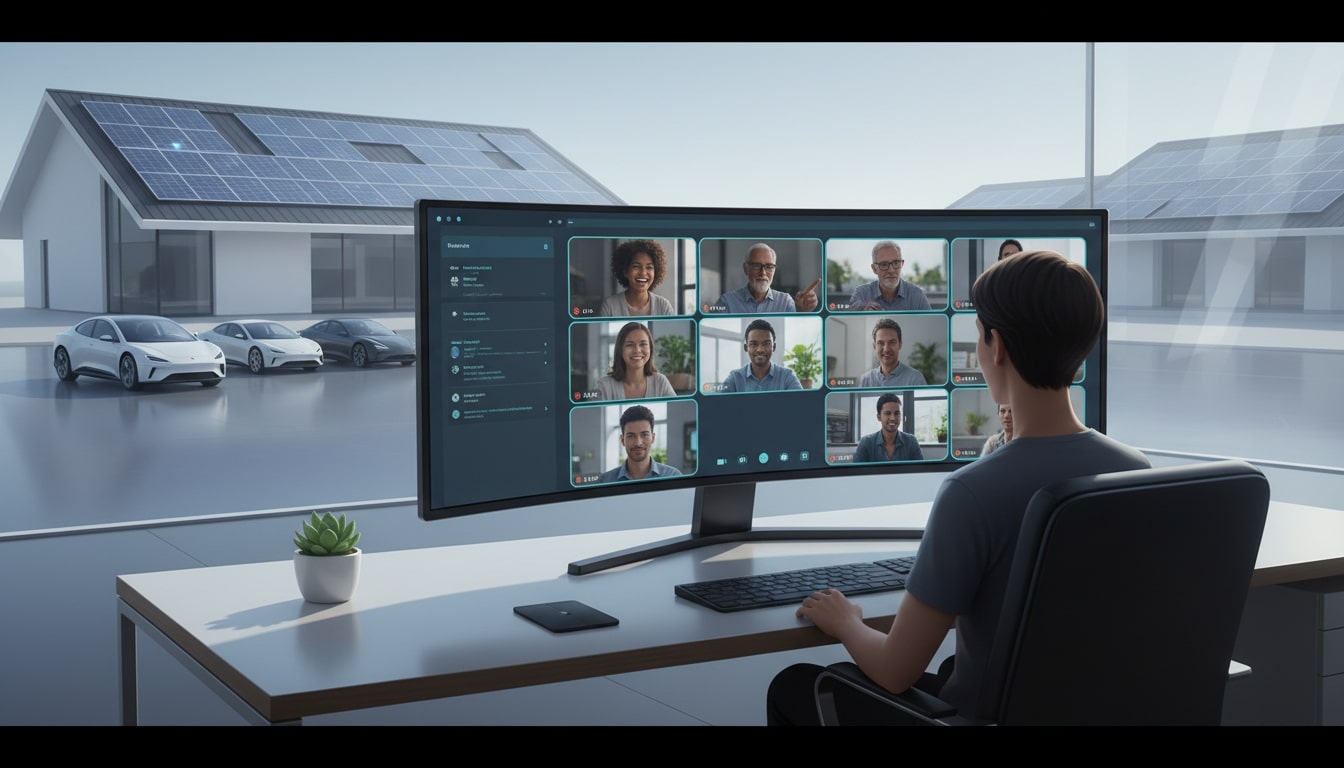
Remote Tesla careers cover technical, business, operations, and policy work. Some roles are fully work-from-home, while others are listed as “remote/field” or tied to a specific region or time zone. Examples that have appeared on Tesla’s careers site fall into a few practical buckets.
Technical and Engineering Remote Roles
Tesla often posts engineering and program roles that are remote or partially remote, but still aligned to a region or working hours. These jobs usually involve cross-functional work across software, hardware, and operations.
Examples you may see include:
- Sr. Technical Program Manager, Remote Charging Service: program ownership for parts of the charging network and remote service experience, coordinating across multiple teams
- Supplier Industrialization Engineer – Power Electronics (Temp Remote MX): supplier and manufacturing support work designated as remote in Mexico
- Other remote-friendly engineering roles in charging, power electronics, and energy products, depending on current hiring needs
Energy, Sales, and Customer-Facing Remote Roles
Remote roles aren’t limited to pure engineering. Tesla also hires for positions that mix technical knowledge with customer work, sales support, and operational improvement.
Examples include:
- Sr. Sales Engineer, Megapack (Remote): supporting large battery storage projects, scoping solutions, and working with customers and internal engineering teams
- Business Analyst, Customer Experience Operations (Remote): digging into customer and operations data, improving processes, and supporting global CX work without being tied to one office
Field Service and Tactical “Remote” Roles
Tesla also uses “remote” to describe jobs that don’t sit in a traditional office, but also aren’t classic work-from-home roles. Some are field-based positions that travel and rely on remote coordination instead of reporting to the same location every day.
One example is:
- Service Technician, Tactical Response Team (Remote): traveling to diagnose and repair vehicles or energy products across a region, often supporting mobile service operations
If you’re searching for “remote Tesla careers,” it helps to read the location section carefully. In Tesla’s job language, remote can mean home-based, region-based, or mobile/field depending on the role.
Policy, Internships, and Early-Career Remote Opportunities
Tesla has also listed internships and policy-focused roles with remote or partially remote setups, which can be a realistic entry point if you’re early in your career.
Examples include:
- Internship, EV Charging and Energy Public Policy (Remote): policy research, stakeholder coordination, and regulatory work connected to charging and energy products
- Regional or project-based roles like Regional Supplier Industrialization Engineer or Construction Project Manager – Utility Deployment, which may include remote or hybrid components while coordinating work across multiple locations
Taken together, these examples show a simple pattern: Tesla’s “remote” roles range from desk-based work to regional field work, and they show up across seniority levels, including internships and high-responsibility project roles.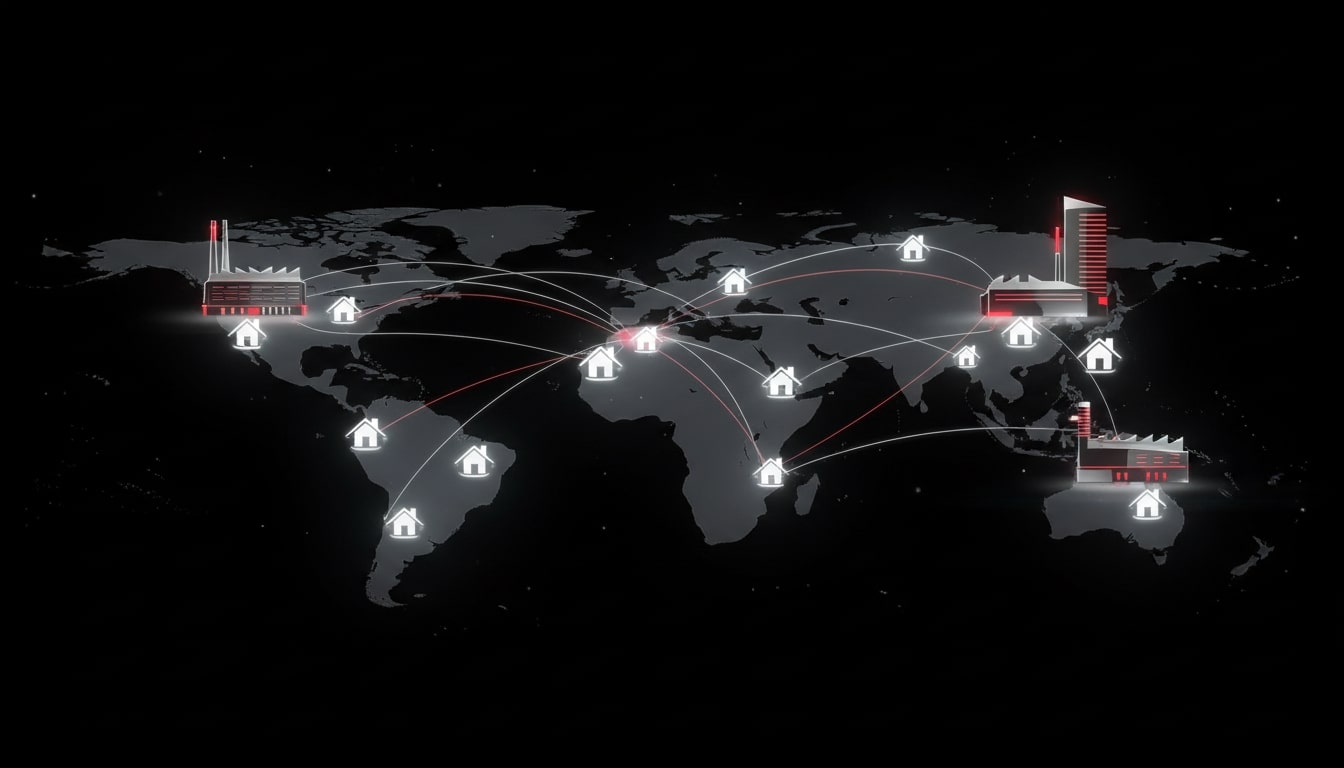
Minimum Requirements and Preferred Qualifications
Remote Tesla careers cover a wide mix of disciplines, but the hiring pattern is fairly consistent. Teams want solid fundamentals, sharp problem-solving, and people who can keep up with a fast, high-ownership environment. Here are the requirements and “nice-to-haves” you’ll see most often.
Education and certifications Tesla commonly looks for
Tesla does hire some standout candidates without traditional degrees, but many remote listings still use a bachelor’s degree as the baseline. Technical roles like software, data, and power electronics usually point to degrees in Computer Science, Electrical Engineering, Mechanical Engineering, or closely related fields. Business, operations, and analytics roles often ask for Business, Economics, Finance, Statistics, or similar majors.
Certifications tend to land in the “preferred” bucket, not the “required” one. They can still help, especially for competitive remote roles or when your work history needs a clearer signal. Common examples are cloud certs (AWS/Azure/GCP), PMP for program work, and specialized credentials tied to your domain.
Essential technical skills for remote Tesla roles
The exact toolset depends on the job, but most remote roles assume you’re comfortable with the core tools of your function and you can ramp up quickly when the stack changes.
- Software and data roles often look for strong coding ability (Python, Java, C++ are common), experience working with APIs, and a working knowledge of databases, pipelines, and cloud systems.
- Hardware, energy, and manufacturing-adjacent roles usually lean more on CAD, circuit and power electronics fundamentals, and familiarity with quality systems or production workflows.
Across roles, Tesla tends to value people who can troubleshoot independently, work through messy problems without much hand-holding, and deliver solutions that hold up in real-world use.
Soft skills, culture fit, and remote-work readiness
Technical strength gets you in the door, but behavior matters a lot, especially in remote setups. Tesla’s work style rewards clear communication, ownership, and a bias toward action. In remote roles, that shows up as being reliable without constant check-ins, writing things down so others can move faster, and staying responsive across time zones.
Hiring managers also look for signs you can prioritize when everything feels urgent, deal with unclear requirements, and keep your head when pressure spikes. Genuine interest in sustainability or clean tech can help too, and it doesn’t have to be a big dramatic story. Side projects, coursework, community work, or even consistent learning in the space can be enough to show alignment.
Experience levels Tesla hires for
Remote roles show up at different seniority levels, but the expectations change a lot as you move up.
- Entry-level and internships usually focus on fundamentals, school projects, and proof you learn fast. You can sometimes offset limited experience with strong project work and a clear portfolio.
- Mid-career roles typically want several years of directly relevant experience, measurable outcomes, and evidence you can work across teams without getting stuck.
- Senior and staff-level roles expect deep expertise plus leadership. That means driving complex work, making good calls with incomplete info, and keeping projects moving with minimal oversight.
Location, time zone, and work authorization
“Remote” doesn’t always mean “anywhere.” Many Tesla listings still require you to live in a specific country, region, or commute radius, even if you won’t be in an office daily. Some also specify time zone coverage, like needing to work standard hours aligned with a certain team.
Work authorization is usually strict. Being remote doesn’t bypass immigration rules, and Tesla generally expects you to already have the legal right to work where the role is based. Before applying, read the location and eligibility details closely so you don’t spend time on roles you can’t realistically qualify for.
Optimizing Your Resume and LinkedIn for Remote Tesla Careers
Optimizing your resume and LinkedIn for remote Tesla roles comes down to one thing: make it obvious you can deliver real results in a high-speed environment, while staying organized and easy to work with from a distance. Every section should point to impact, ownership, and a clear fit for the kind of work Tesla ships.
Tailoring Your Resume to Tesla’s Job Descriptions and Keywords
Skip the “one resume for every job” approach. Pick one Tesla posting and tune your resume to match it. Use the same wording Tesla uses for skills, tools, and responsibilities so both recruiters and ATS filters can connect the dots quickly.
A few practical tweaks that help a lot:
- Move the most relevant bullet points to the top of each role so the match is obvious in the first 10 seconds
- Cut unrelated tasks that make your focus look fuzzy
- Keep formatting clean and simple, since heavy graphics and fancy layouts can break ATS parsing
- Stay within one page if you can, two pages is fine for senior candidates with a strong track record
Showcasing Remote Work Experience and Self-Management Skills
For remote roles, Tesla needs confidence you’ll run your work without constant supervision and communicate early when something’s blocked. Make that easy to see.
Ways to do it without overexplaining:
- Add a simple tag like “Remote” in your job titles where it applies (example: “Software Engineer | Remote, US”)
- Include bullet points that show how you operated in distributed teams: async updates, clear documentation, cross-time-zone coordination, and owning work end-to-end
- Mention remote tools only when they support the story, like Jira/Confluence for execution, GitHub for delivery, or Slack/Teams for coordination
The goal is to show you don’t just “work remotely,” you work well remotely.
Highlighting Impact, Metrics, and Proof of Work
Tesla tends to care more about outcomes than long duty lists. Your bullets should read like results, not job descriptions. A simple format that works is action + metric + result, even if the metric is an estimate you can defend.
Examples of the style to aim for:
- “Reduced API latency by 35%, improving app responsiveness for 2M+ users.”
- “Cut ticket resolution time by 22% by automating triage and routing.”
If you have a portfolio, GitHub, case studies, or talks, link them. For non-technical roles, you can still quantify impact using revenue influenced, cost avoided, cycle time reduced, customer satisfaction scores, operational throughput, or project delivery speed.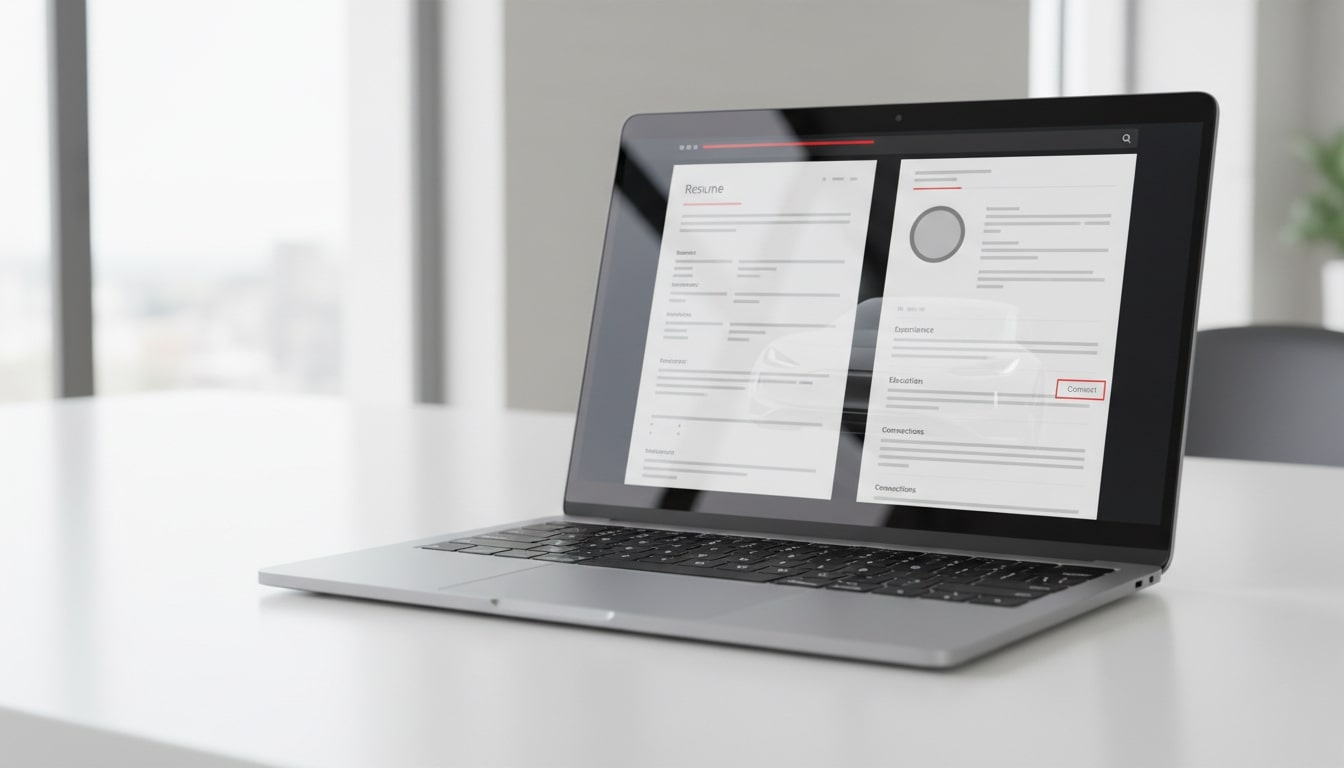
Aligning Your LinkedIn Profile With Tesla’s Work Style and Values
LinkedIn should feel like the expanded version of your resume, but with a clearer point of view. Keep it grounded and specific, not inspirational.
What usually works:
- A headline that signals role + specialty + direction (example: “Data Analyst | Operations and Customer Experience | Clean Energy Focus”)
- An “About” section written in first person that quickly covers what you do, what you’ve delivered, and why you’re interested in EV/energy work
- A short mission line is fine if it doesn’t sound forced, and it should connect back to the work you actually do
Use LinkedIn features that help recruiters find you
These are small settings, but they add up:
- Turn on Open to Work and select job titles close to the Tesla roles you’re targeting
- Keep your Skills section tight and role-relevant, with tools, systems, and frameworks that show up in Tesla postings
- Ask for recommendations that mention concrete behaviors Tesla cares about: ownership, speed, working under pressure, and reliable remote collaboration
- Engage with clean tech, EV, and Tesla-adjacent content in a normal way, not spammy. Recruiters do notice activity, and it helps when your profile and interests match the roles you apply for
Conclusion
Remote Tesla careers appeal to people who want high-impact work without packing up their life to move near an office or factory. As Tesla keeps expanding across software, energy, and customer operations, more roles show up as remote-friendly, region-based, or remote/field depending on the team. Your best advantage is clarity. When you can show strong results, explain how you work in fast-moving environments, and connect your experience to Tesla’s mission in a grounded way, you’re far more likely to get serious attention.
FAQ: Remote Tesla Careers
- Are There Truly Remote Tesla Careers, or Are Most Jobs On-Site?
- Yes, Tesla does post genuinely remote and region-based roles, and they show up most often in software, energy, policy, sales engineering, and customer operations. At the same time, plenty of roles labeled “remote” still have regional requirements, travel expectations, or field work. Always check the location line, time zone notes, and travel percentage in the posting so you know what “remote” means for that specific job.
- What Skills Are Most Important for Remote Tesla Jobs?
- Strong technical ability in your area is the baseline, but it’s rarely the only deciding factor. Tesla tends to value people who communicate clearly, take ownership without waiting to be asked, and move work forward quickly. For remote roles, that also means you can work independently, collaborate across time zones, document decisions, and point to measurable outcomes from past work, even if it came from projects or internships.
- How Can I Find Legitimate Remote Tesla Job Postings?
- Start on Tesla’s official careers site and use “remote” and your region as your filters. LinkedIn and major job boards can help you discover listings, but the posting should ultimately lead back to Tesla’s careers page. Avoid anything that asks for money upfront, wants sensitive personal info immediately, or uses unofficial email domains and sketchy messaging apps as the only way to communicate.
- Do I Need an Engineering Degree to Get a Remote Job at Tesla?
- Not always. Some teams strongly prefer a related degree, especially for specialized engineering work, but there are remote roles in software, data, policy, customer experience, and sales that may be more flexible if your skills are clear. A strong portfolio, credible work samples, and proof you’ve delivered results can sometimes carry more weight than the exact credential, depending on the role and hiring manager.
- How Competitive Are Remote Tesla Careers and How Can I Stand Out?
- They’re very competitive because remote roles pull in applicants globally. The candidates who stand out usually do the basics better than everyone else. They tailor their resume to the specific posting, use metrics to show impact, and prove they can operate well in remote setups without getting lost. Mission alignment helps too, but it lands best when it’s backed by real work, like relevant projects, clean tech experience, or consistent learning that connects to Tesla’s focus areas.