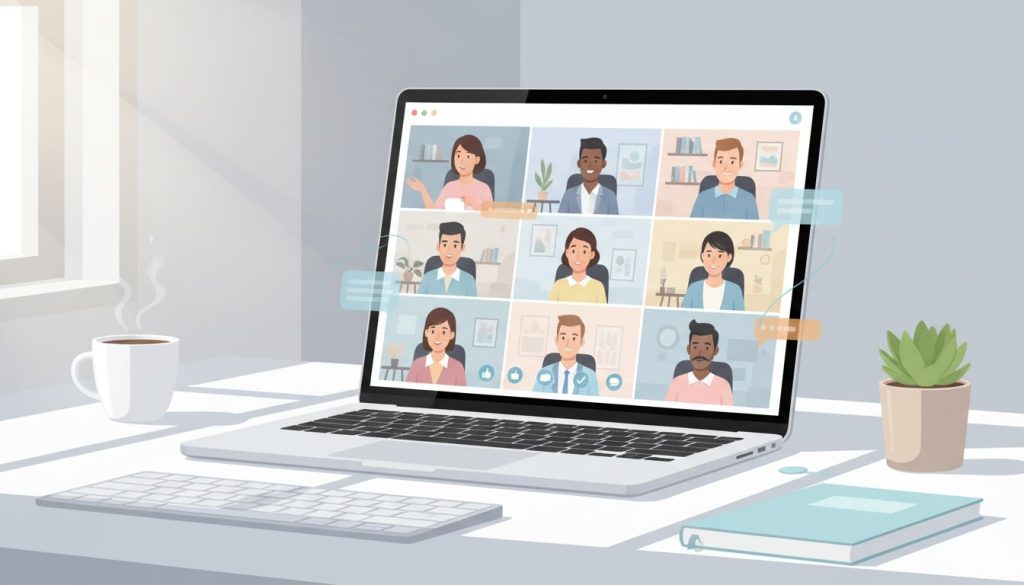
Your communication skills is what help you get hired for those remote job roles. The ability to write and speak clearly is still highly sought after among the top companies. Job applicants usually include it in their list of skills as after thought.
This application guide teaches you about the communication skills needed in most remote job role. We also go through showcasing communication skills resume list to garner attention to your application.
Post Contents
Core Communication Skills Employers Look For
Employers are looking for people with the right communication skills for specific tasks. Your job is to make writing clear and easy to read for clients, customers, or even other employees. Verbal communication is also needed to clearly convey your message orally. 
Written Communication
Written communication is the backbone of remote work, so employers look for writing that’s clear, organized, and easy to scan. Good writing reduces misunderstandings, captures decisions, and makes information simple to find later, especially when teammates are checking updates at different times or working with clients.
- Drafting clear emails and chat messages
- Writing status updates and progress reports
- Creating documentation, guides, and SOPs
- Summarizing meetings and decisions in shared tools
- Giving feedback and coaching in writing
Verbal Communication
Verbal communication is how you keep calls and meetings focused, make decisions clear, and handle tricky moments without tension. Remote employers rely on people who can explain ideas simply, listen closely, and adjust their tone depending on the audience, since you don’t get the same in-person cues.
- Leading or contributing to video meetings and standups
- Presenting ideas, demos, or project updates
- Running client calls and discovery conversations
- Participating in 1:1s and performance discussions
- Resolving conflicts or misunderstandings live
Asynchronous Communication and Concise Updates
Asynchronous communication is sharing the right information without expecting an immediate reply, usually through documents, project tools, or short recorded updates. Employers value people who can post updates that are useful, not noisy, so others can catch up fast and keep moving.
Strong async updates stick to what matters: the goal, what changed, what’s done, what’s stuck, and what decisions were made. Instead of long paragraphs, you give the key points, link to details when needed, and clearly state what you need next. This approach cuts down on unnecessary meetings, helps work flow across time zones, and leaves a searchable record of what happened and why.
Cross-Cultural and Cross-Time-Zone Communication
Remote teams often span countries, cultures, and time zones, so communication also needs awareness and flexibility. Employers look for people who choose words carefully, skip slang that might not translate well, and assume positive intent if a message sounds blunt or “off” in text.
Working across time zones also means planning ahead. You share agendas before meetings, send follow-ups after, and write updates in a way that doesn’t require people to be online at the same time. That kind of proactive, inclusive communication builds trust and makes global teamwork feel a lot smoother.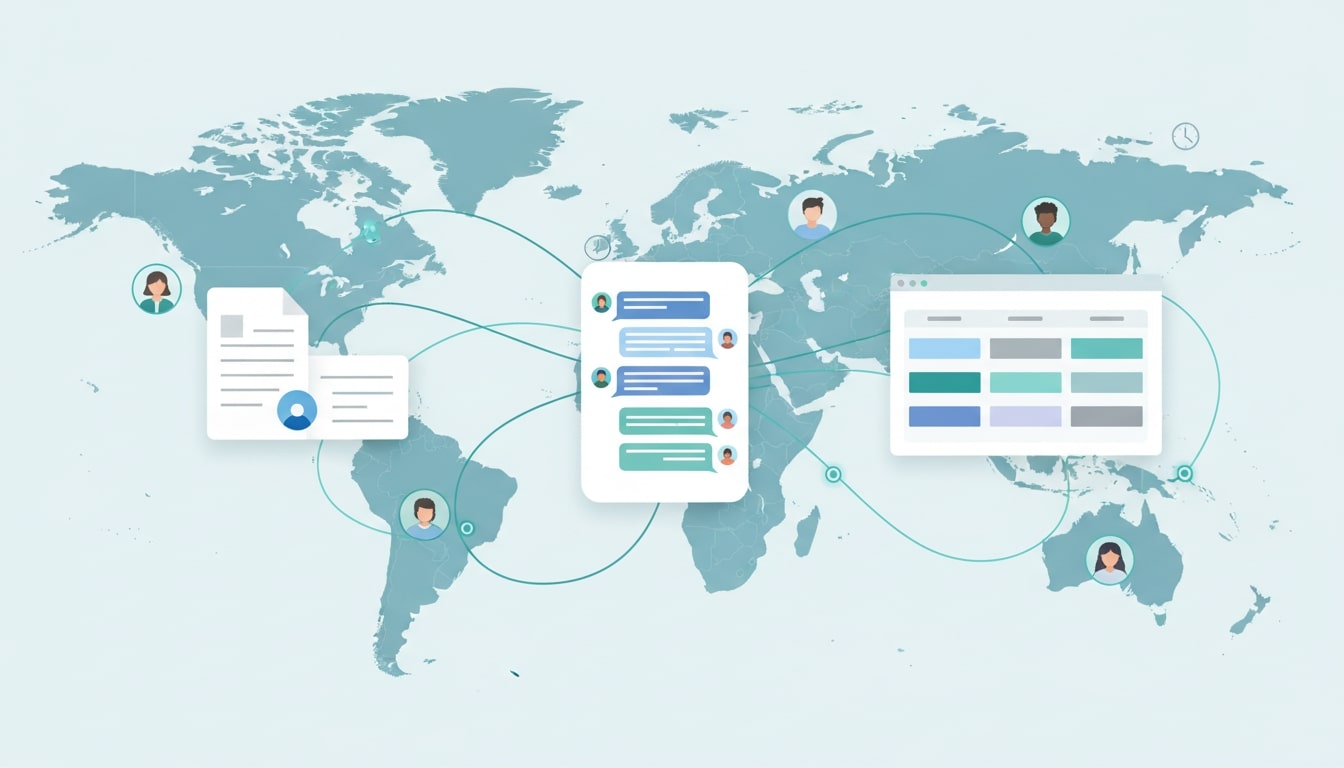
How To Assess And Improve Your Communication Skills
Before you try to sell your communication skills on a resume, it helps to get real about where you’re starting. These steps will help you assess what’s working, spot what’s holding you back, and improve how you write, speak, and collaborate in remote settings.
Self-Assessment: Where You Are Today
Start by looking at how you communicate right now across email, chat, and meetings. Pull up a few old threads or recordings and check them with fresh eyes. Was your point easy to follow, or did people keep asking what you meant. Pay attention to the moments that felt smooth versus the ones that dragged on or turned messy.
Ask a few trusted people for direct feedback, not vague encouragement. You can say something like, “When I explain things, what’s one part that’s clear and one part that gets confusing.” Patterns usually show up fast. Some people write too much, others stay too vague, some avoid speaking up, and others talk in circles. Write down your strengths and a short list of improvement areas so you have a baseline you can actually track.
Practicing And Improving Written Communication
Written communication gets better when you stop treating every message as something you need to send quickly. Before you hit send, pause and ask two questions. What’s the main point, and what do I need the other person to do with it.
Write the message, then tighten it. Move the most important line to the top. Cut filler words, remove extra backstory, and make deadlines or next steps obvious. If a message is getting long, consider using simple structure like short paragraphs or bullets so it’s easier to skim.
Outside of work, a small writing habit helps a lot. Journaling, short posts, or quick how-to explanations all build the same skill. Grammar tools can catch mistakes, but the bigger win is clarity. Over time, your updates start to feel cleaner and easier for other people to act on.
Practicing And Improving Verbal Communication
Verbal communication improves fastest when you rehearse a little and review what happened after. Before an important call, outline your main points and practice saying them out loud. It doesn’t need to be dramatic, you’re just trying to sound natural and steady.
Recording yourself can feel awkward, but it’s useful. Listen for speed, filler words, and moments where you sound unsure. Low-pressure practice helps too, like online meetups, casual group discussions, or Toastmasters-style sessions if you want structure. After meetings, take a minute to reflect. What landed well, what felt unclear, and what you’d do differently next time. A lot of confidence comes from repetition, not personality.
Building Stronger Active Listening Habits
Active listening matters even more remotely because it’s easy to half-listen while your screen is full of other things. Aim to single-task in meetings. Close extra tabs, mute notifications, and take a few quick notes so you’re actually tracking what’s being said.
A simple way to show you’re listening is to paraphrase. “So the priority is X, and the risk is Y, right.” Ask clarifying questions when you need them instead of guessing and hoping it works out. Tone and context matter too, especially in cross-cultural teams where short messages can sound harsher than intended. After important calls, write a short recap and share it. It forces you to process what you heard and it prevents the classic “wait, what did we decide” problem later.
Using Feedback, Courses, And Tools To Level Up
You’ll improve faster if you combine feedback, some structured learning, and a few practical tools. Ask for specific feedback instead of general comments. “What’s one thing I could do to make my updates easier to follow” usually gets better answers than “How am I doing.”
Turn that feedback into small goals you can practice right away. Pair it with a short course, a book, or even a few good examples you can copy. Then use tools like grammar checkers, note apps, or meeting transcripts to support your effort, not replace your thinking. Check in with yourself monthly, update your goals, and keep the process simple. You’ll end up with real improvements you can point to on your resume, not just claims.
You should also consider taking courses on communication skills on Skillshare and Udemy. The platforms have several free and paid courses taught by experienced teachers. They are worth investing your time and money to help you get hired for your dream remote job.
Why Communication Skills Matter More In Remote Careers
In remote work, communication isn’t some extra “nice to have”. It’s the main way you show up, do the job, and get noticed for it. When your team isn’t in the same space, your words end up standing in for many of the signals people normally pick up in person, like reliability, confidence, and initiative.
In an office, people see the small things. They notice you jumping in to help, staying a little longer when things get busy, or catching a coworker in the hallway to unblock a problem. Remote teams don’t get that. What they see is what you write, what you say in meetings, and how you follow through. Strong communication makes your effort visible, even when nobody can physically see you working.
Remote teams also live in written channels, like email, Slack, project tools, and documentation. Clear writing saves time. It cuts down on repeated questions, avoids misunderstandings, and prevents mistakes that happen when people interpret the same message differently. If you can take something complex and turn it into a short update people can skim, you make everyone’s day easier.
Good communication also builds trust faster when you’re remote. People can’t read your body language as easily, so they pay attention to tone, clarity, and how you handle friction. If you give feedback calmly, ask smart questions, and bring problems up early without sounding panicked, you come across as easy to work with and focused on solutions.
Conclusion
Strong communication skills are what make remote work actually work. They shape how people experience you day to day, like if you’re dependable, easy to collaborate with, and capable of stepping up when things get messy. Managers and business owners need people with this skills for their marketing, customer support, and client retention team. By building up your means of delivering a clear message on behalf of your employer, you increase your chances of getting hired.
Do you have the communications employers are looking for? Read our guide on getting hired at JP Morgan next!
FAQ: Building Communication Skills
- How do I show communication skills on my resume if I have limited work experience?
- Use any experience you built that involves talking to other people or writing projects. Have you written an article for a news paper or even a lengthy review of your favorite movie? Did you do an interview project and had that video uploaded? These examples can showcase your skills to your future employers.
- What are the most important communication skills for remote jobs?
- Remote employers care most about clear writing, solid speaking skills in video calls, and active listening that keeps meetings productive. They also look for strong async habits, like posting updates with enough context so people can act without chasing you. Cross-cultural and cross-time-zone awareness matters too, because small wording choices can affect clarity and tone when teams are global.
- How can I quickly improve my communication skills before applying for remote roles?
- Start by tightening your writing. Practice turning a messy update into a short summary with a clear next step each day. Record yourself explaining a topic for two minutes, then re-record it with fewer filler words and a calmer pace. Ask someone you trust to review one email, one short message, and one conversation each week and give blunt feedback. Small reps like that add up fast and you’ll usually notice a difference within a few weeks.
- How do I tailor my communication skills resume for different remote jobs?
- Look at the job description and pick out the communication tasks it repeats, like client calls, documentation, stakeholder updates, or cross-functional work. Use the same phrasing where it honestly fits, especially in your summary and experience bullets. Match your examples to the context of the role. A customer-facing job should show clarity and empathy, while a technical role should show clean documentation and precise updates.