
Becoming a successful freelance web developer takes more than solid coding skills. You also need a smart and consistent way of getting hired for your skills. Many good developers miss out on projects because their applications don’t make it obvious how they’ll help the client.
This guide breaks down what clients typically look for in a web developer and how to shape your application so it matches their expectations. With a clear structure and the right details, you’ll come across as easier to hire and more likely to win better projects.
Post Contents
Key Takeaways
- Successful freelancing requires balancing technical expertise with business skills like project management, clear communication, and strategic self-promotion.
- Clients prioritize self-sufficient developers who can translate business goals into functional, high-performance web solutions without constant supervision.
- Personalizing every application to address specific client pain points is the most effective way to stand out in a crowded marketplace.
- Building a professional foundation through a niche focus, a strong portfolio, and transparent pricing creates long-term stability and trust.

Understanding the Freelance Web Developer Role
A freelance web developer is an independent professional who builds and maintains websites or web apps for different clients on a contract basis. Instead of working as an employee, you’re running your own small business.
That means you handle the technical work, plus the behind-the-scenes stuff like proposals, invoices, timelines, and client communication. The job can be pretty flexible too. One project might be mostly front-end work, another might need back-end logic, and some clients will expect you to have a basic eye for layout and user experience.
Common Responsibilities and Expectations
Most clients hire a freelancer because they want someone who can move work forward without being babysat. They expect you to take a project from ideas to launch. Employers want you to step into an existing site and improve it without creating new problems.
Day to day, that usually means writing clean, readable code, making sure the site works across modern browsers, and keeping performance and mobile usability in good shape. You’re also expected to manage your own schedule, share progress updates, and deal with issues like bugs, broken integrations, and security fixes when they pop up.
Typical Clients and Project Types
Freelance web developers work with all kinds of clients. Some are small businesses that just need a clean WordPress site that loads fast and looks decent on a phone. Others are startups that want a custom web app built around their product.
Common projects include e-commerce stores, landing pages for ads, internal dashboards, booking systems, and ongoing maintenance for older codebases that still need to run reliably. Because every client’s goals are different, the real skill is turning “business talk” into clear requirements, then building something that actually solves the problem.
Core Web Development Skills Clients Value
When clients hire a freelance web developer, they’re usually thinking about one thing: will this person deliver a site that works, looks right, and doesn’t turn into a maintenance headache. Knowing which skills matter most helps you present yourself in a way that matches what clients actually care about, not just what looks good on a resume.
Proficiency in HTML, CSS, and JavaScript
HTML, CSS, and JavaScript are the basics clients assume you have down. HTML handles structure, CSS handles layout and styling, and JavaScript brings the site to life with interactive behavior.
Clients tend to notice developers who write clean, semantic HTML because it improve accessibility and helps with SEO. They also like developers who can build responsive layouts using modern CSS approaches like Flexbox, Grid, and frameworks such as Tailwind or Bootstrap. On the JavaScript side, it’s less about name-dropping and more about showing you can build smooth, reliable interactions, using vanilla JavaScript or a framework like React or Vue when it makes sense.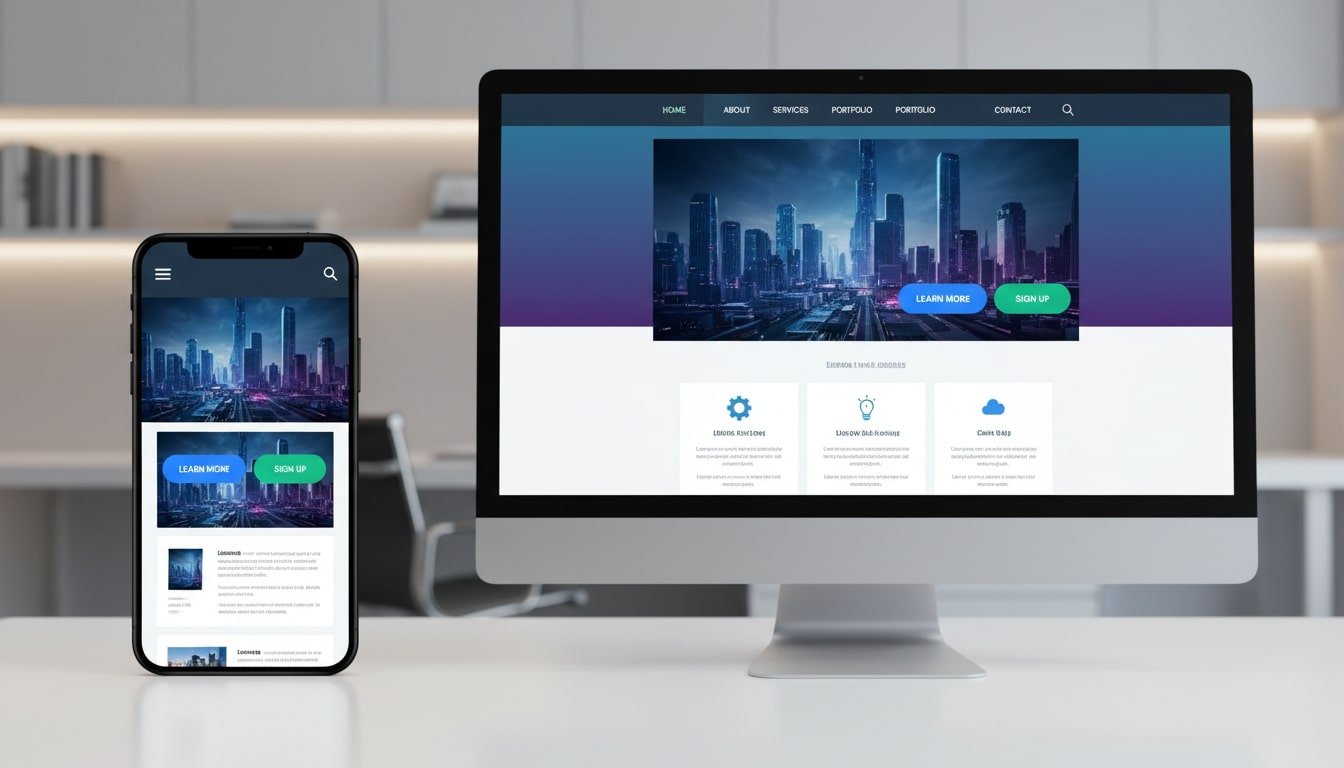
Responsive and Mobile-First Design
A site that looks good on a laptop but falls apart on a phone is a quick way to lose trust. Clients want layouts that adapt cleanly across screen sizes and feel easy to use on mobile.
Developers who think mobile-first stand out because they design for smaller screens early, then scale up. That usually leads to fewer surprises later. Practical skills here include strong control over media queries, Flexbox, CSS Grid, and actually testing on real devices and browsers instead of assuming it will be fine.
Back-End Development and Database Management
Not every freelancer needs to be full-stack, but having some back-end ability makes you easier to hire. A lot of projects need user logins, forms that actually save data, payment processing, API integrations, and admin tools. Those things don’t live only in the front end.
Knowing one back-end stack well, like Node.js, Python, PHP, or Ruby. is usually enough to cover common client needs. Database experience matters too, since you’ll often be working with PostgreSQL or MySQL, or using something like MongoDB for certain apps. Clients like developers who can handle the full flow, or at least understand it well enough to work smoothly with other specialists.
Version Control with Git
Git is one of those skills clients may not ask about directly, but teams and serious businesses expect it. It’s how work stays organized and recoverable.
Comfort with GitHub, GitLab, or Bitbucket signals that you follow normal workflows. Clean commits, sensible branching, and the ability to resolve merge conflicts matter when you’re collaborating or handing work off to someone else later. It also protects your client because you can roll back changes if something breaks after an update.
Performance Optimization and SEO Basics
Clients don’t just want a site that “looks nice.” They want it to load fast and show up in search results. Slow pages hurt conversions and bounce rates, and bad SEO structure can limit organic traffic no matter how good the design is.
Performance work often includes compressing images, lazy loading, reducing JavaScript bloat, minifying assets, and using caching the right way. On the SEO side, clients benefit when you get the basics right, like proper heading structure, meta tags, schema markup when relevant, and paying attention to Core Web Vitals. These changes are measurable, which is why clients value them.
Problem-Solving and Debugging Skills
Every project runs into issues. Things break, browser quirks show up, plugins conflict, APIs behave differently than expected. Clients care less about a perfect build and more about how you respond when something goes sideways.
Strong debugging usually means you’re comfortable using browser dev tools, reading logs, reproducing issues, testing in different environments, and narrowing problems down quickly. Clients remember the freelancer who stays calm, explains what’s happening in plain language, and ships a fix without turning it into a long drama.
Common Mistakes to Avoid When Applying
A strong portfolio and good tech skills won’t help much if your application raises red flags right away. A few avoidable mistakes can make you look careless, or worse, like you’ll be hard to work with.
Sending Generic and Templated Proposals
Clients can spot a copy-paste proposal fast. If your message could be sent to any job post, it doesn’t feel like you read theirs. The biggest giveaway is when the proposal talks mostly about you, but barely mentions the project, their goals, or the specific problems they’re trying to solve.
A better approach is simple: reference details from the posting and respond to them directly. Call out the exact feature they need, the stack they mentioned, or the pain point they’re trying to fix. Then explain how you’d handle it, in plain language. That small amount of specificity makes you look attentive and genuinely interested, which is what clients are trying to filter for.
Overpromising and Underpricing Your Services
It’s tempting to promise a fast turnaround or quote a low rate just to win the contract. The problem is it usually backfires. Unrealistic timelines lead to late deliveries and rushed work. Low pricing can attract clients who expect endless revisions, and it can also make serious clients assume you’re inexperienced.
Aim for honest estimates and a rate that matches the project’s complexity. If something depends on unknowns, say so and explain what you need to confirm before locking a timeline. Clear expectations protect you and the client, and they’re a big part of what “professional” actually looks like in freelance work.
Ignoring Client Requirements and Instructions
A lot of rejections happen because the developer missed something in the job post. Clients often include small checks, like “include the word pineapple in your reply” or “share one React project and one WordPress project.” It’s not about being picky. It’s how they filter out bots and people who don’t pay attention.
Read the full posting before you reply, then make sure you answered every question and included what they asked for. If they want specific links, code samples, availability, or time zone details, include them upfront. Following instructions cleanly is one of the easiest ways to show that you’ll be reliable once the project starts.
Preparing Before You Apply
Getting steady freelance web developer work starts before you send proposals. A little prep work gives you a clearer pitch, better confidence, and fewer awkward back-and-forth messages with clients.
Define Your Niche as a Freelance Web Developer
Trying to be “available for anything” usually makes you sound like you’re competing on price. Pick a lane you can own, either by industry (e-commerce, local services, SaaS) or by stack (React, Shopify, WordPress, Laravel). Specializing makes it easier to speak to real client problems, and it also helps you justify higher rates because you’re not learning on their dime.
Build a Strong Portfolio
Your portfolio is proof you can deliver, so it needs to be easy to scan and hard to doubt. Add live links when possible, and don’t just show screenshots. A short case study for each project goes a long way, even if it’s only a few paragraphs explaining the goal, what you built, and what improved. If you’re sharing code, include small, clean snippets or a GitHub repo that shows structure and readability without dumping a messy folder.
Set Competitive Rates
Rates get easier once you treat freelancing like a business instead of a side gig. Check what people with similar skills charge in your market, then choose hourly or per-project pricing based on how predictable the work is. Make sure your number covers more than coding time. Tools, subscriptions, taxes, admin work, revisions, and downtime are part of the job, even if clients don’t see them.
Gather Social Proof and Testimonials
Clients take fewer risks when they see other people trust you. If you’ve done past work for a client, employer, or even a small project for a friend’s business, ask for a short testimonial that highlights reliability, communication, and problem-solving. Put that feedback where it’s easy to find, like your website, LinkedIn, or even a simple PDF you can attach when needed.
Optimize Your Online Presence
Clients will look you up, so make that search work for you. Keep your LinkedIn, GitHub, and personal site consistent, with the same role focus and a clear set of services. Clean up old pinned repos, update your bio, and make sure your contact info is obvious. A tidy online presence reduces doubt and speeds up the “yes” decision.
Conclusion
Landing freelance web developer work isn’t just about being good at code. It’s about showing clients you understand what they need. They also need someone to work on their site without hand-holding and who can communicate clearly. When you do the prep work, build the right skills, and avoid common mistakes, you will stand out.
Remember to keep your proposals consistent, professional, and specific to the project your are applying to. Over time, that trust adds up, and web development can turn into a stable remote career.
FAQ: Freelance Web Developer Role
- What should a freelance web developer include in an application?
- Include a short, tailored proposal that references the client’s project details, plus 1–3 portfolio examples that match what they’re hiring for. Explain how you’d approach the problem, not just what tools you know. Clients also like seeing a rough timeline, clear pricing, and any proof of results, like performance improvements, conversions, or a smoother workflow after launch.
- How much experience do clients expect from a freelance web developer?
- It depends on the client and the risk level of the project. Some clients care about years of experience, but many care more about outcomes and reliability. A strong portfolio, clear case studies, and calm communication often matter more than a long resume, especially for startups and small businesses that just want someone dependable who can ship.
- How can a freelance web developer stand out from competitors?
- Standing out usually comes down to being specific. Pick a niche or a stack you’re known for, then write proposals that speak directly to the job post instead of sounding generic. Mention the client’s goals, point out a potential issue you noticed, or suggest a better approach. You’ll come across as someone thinking about the project, not just chasing any gig.
- Is a portfolio required for freelance web developer roles?
- Most of the time, yes. Clients want proof, and a portfolio is the fastest way to give it to them. If you don’t have many paid projects yet, include personal builds, redesigns, open-source contributions, or small sites you made for practice. The key is presenting them cleanly with context, links, and a quick explanation of what you handled.
- How long does it take to start getting freelance web developer clients?
- There’s no fixed timeline. Some developers get traction in a few weeks, others take a couple of months, especially if they’re still building a portfolio or refining their niche. Consistent outreach, better proposals, and improving your examples based on feedback usually speeds things up. Rejections are normal, but they’re useful if you treat them as data and adjust.