Much of what shapes our diet today isn’t the food itself, it’s how it’s made and marketed. Industrial formulations designed for shelf life, convenience, and hyperpalatability now dominate calorie intake in many countries.This article explains what ultra processed foods are, how to spot them on labels, and smart ways to replace them with satisfying, affordable alternatives.
Contents
Key Takeaways
- How foods are made and marketed shapes diet more than single nutrients.
- Ultra processed foods dominate calories and raise risks for weight and heart health.
- Swap in minimally processed meals to keep convenience and improve nutrition.
What Are Ultra-Processed Foods: The NOVA Classification
NOVA classifies foods by how and why they are processed. It helps separate real kitchen foods from industrial formulations. Understanding the groups supports practical choices that protect nutrition and health.
NOVA Basics
The NOVA system groups foods by the extent and purpose of industrial processing. It moves beyond single nutrients. Instead it looks at the techniques and ingredients used to transform foods. 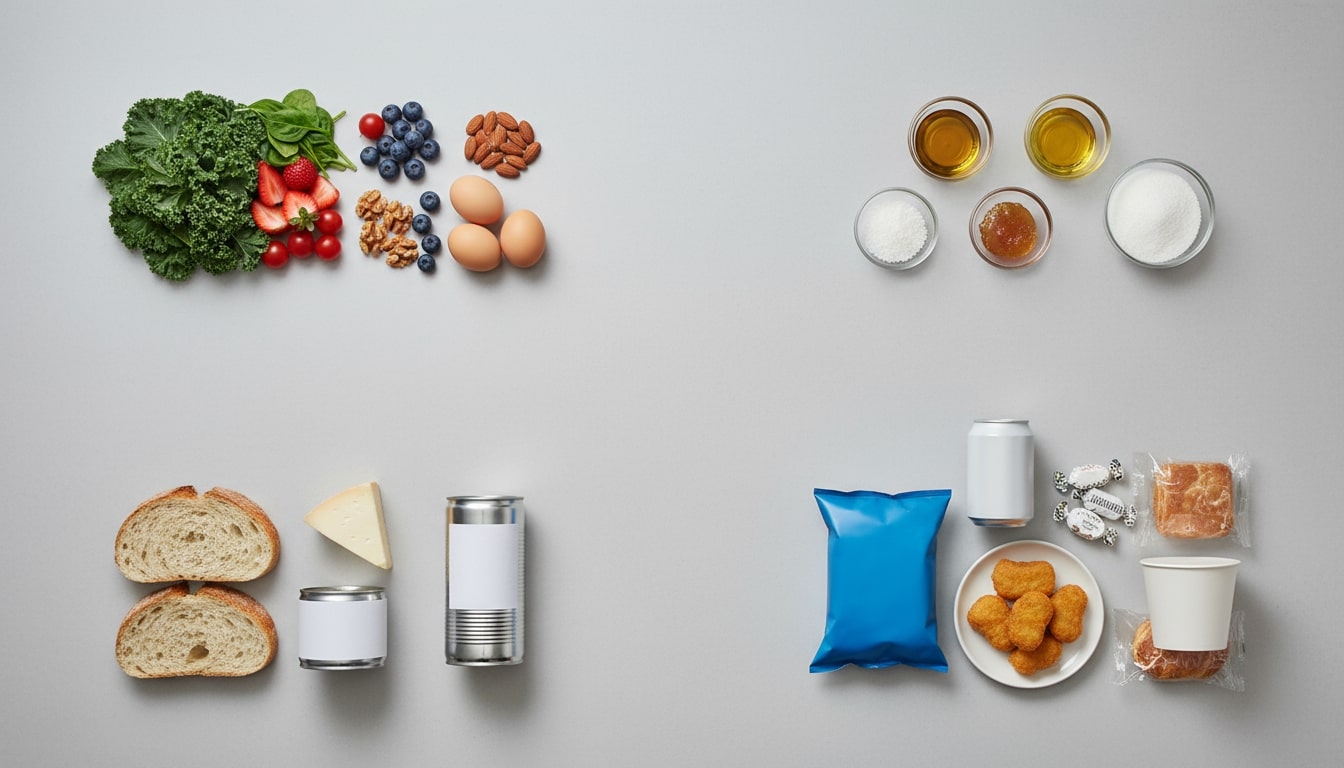
This lens explains why two items with similar calories can have very different health effects. NOVA is widely used in research and policy. It helps consumers spot formulations built for shelf life and hyper palatability rather than nourishment.
Unprocessed or Minimally Processed Foods
These are whole foods that are fresh, frozen, dried, ground, or fermented without added sugar, salt, oils, or cosmetic additives. Examples include vegetables, fruits, legumes, plain oats, brown rice, milk, eggs, plain yogurt, and unseasoned meats.
Processing aims to make storage safer and preparation easier. The food matrix remains intact. These foods form the foundation of healthy eating patterns in traditional cuisines and modern evidence based guidelines.
Processed Culinary Ingredients
These are substances extracted or refined from whole foods or nature. Typical examples are oils, butter, sugar, honey, and salt. They are used in home cooking to season and prepare meals based on minimally processed staples. By themselves they are not meals. Their health impact depends on how much is used and in what context. Balanced use can support flavor and food safety without undermining diet quality.
Processed Foods
These products combine minimally processed foods with culinary ingredients. The goal is to preserve and improve palatability. Examples include simple breads made from flour, water, yeast, and salt. Also canned beans with salt. Canned fish. Cheeses made through fermentation. Ingredient lists are short and recognizable. Processing here modifies texture and shelf life without the use of extensive industrial additives. These foods can fit in healthy patterns when portions and sodium are managed.
Ultra-processed Foods
These are industrial formulations with little intact whole food. They often contain refined starches, protein isolates, added sugars, modified oils, and cosmetic additives like flavors, colors, emulsifiers, and sweeteners.
Techniques include extrusion, molding, and pre frying. Examples include soft drinks, sweetened cereals, packaged snacks, instant noodles, reconstituted meat products, and many ready meals. They are engineered for convenience and hyper palatability. Frequent intake is linked with poorer health outcomes.
Why Ultra-Processed Foods Matter
Research links industrial formulations to poorer diet quality and higher disease risk. This snapshot summarizes cohorts, trials, and reviews to explain why reducing ultra processed foods improves heart and health.
Population Exposure And Dietary Displacement
Across many countries, packaged formulations supply a large share of daily calories, especially among children and adolescents. As intake rises, minimally processed staples and home cooked meals fall away.
Diets dominated by ultra processed foods tend to be higher in added sugars, sodium, and refined fats and lower in fiber, protein quality, and micronutrients. This displacement erodes dietary patterns known to protect cardiovascular and metabolic health over time.
Cardiometabolic Disease And Mortality
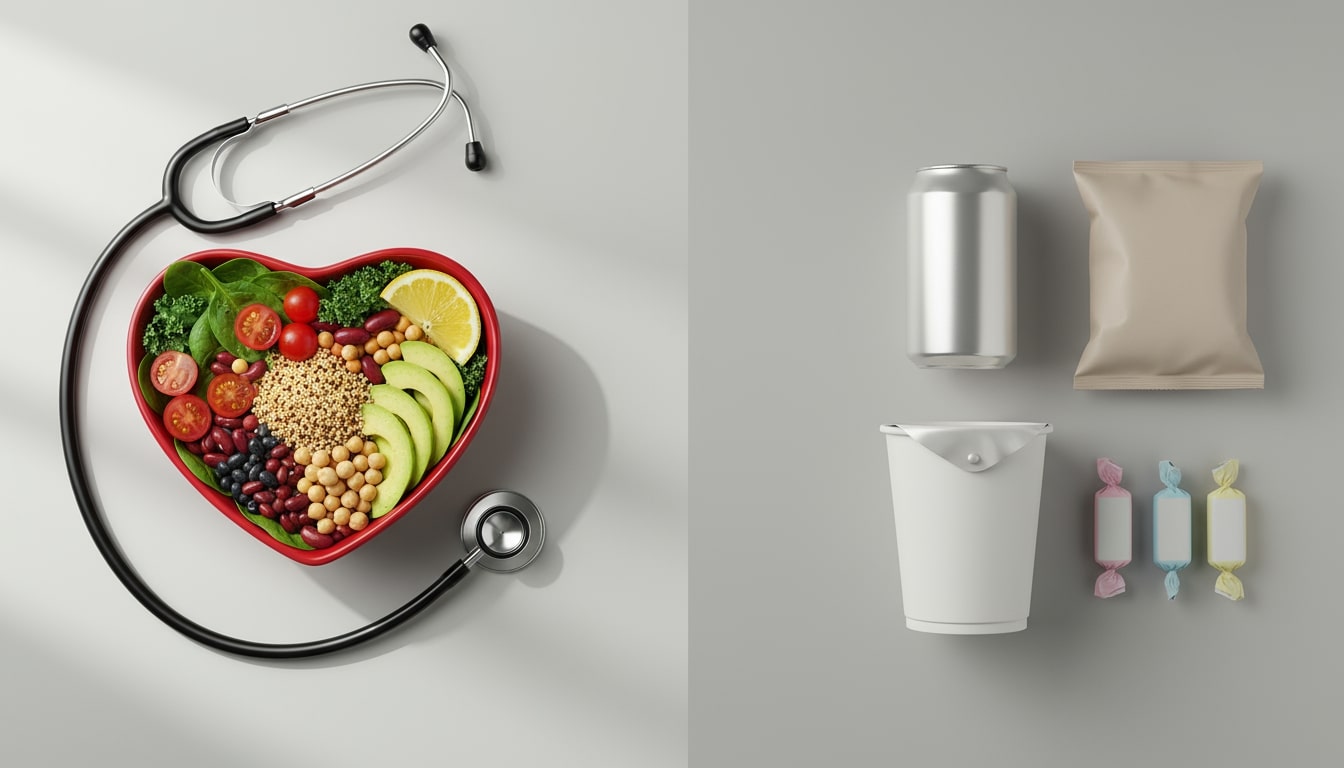
Evidence from large cohorts and meta analyses shows that higher intake of these products correlates with obesity, diabetes, hypertension, cardiovascular events, and premature death. Risks tend to rise with each additional serving, while food substitutions improve weight and lipid markers.
- Obesity: Higher energy density, hyperpalatability, and disrupted satiety drive greater ad libitum intake. Large trials and cohorts link frequent intake with weight gain and central adiposity. Replacing these items with home-cooked meals improves weight and waist measures.
- Type 2 Diabetes: Refined starches and added sugars drive rapid glycemic response and insulin demand. Diets high in ultra-processed foods show a higher incidence of diabetes in cohorts. Shifting to fiber rich, minimally processed meals supports better fasting glucose and A1C.
- Hypertension: Packaged products often deliver high sodium plus sodium-based additives. Combined with excess calories this pattern elevates blood pressure. Choosing low-sodium staples and cooking at home reduces average systolic and diastolic readings over time.
- Dyslipidemia: Refined carbohydrates and sugars can raise triglycerides and lower HDL. Some products add saturated or interesterified fats that raise LDL. Emphasizing nuts, legumes, fish, whole grains, and simple oils improves triglycerides, HDL, and LDL.
- Cardiovascular Disease: Higher consumption is associated with more heart attacks and strokes in prospective cohorts with dose response patterns. Diets centered on minimally processed foods and simple processed foods are linked with fewer events.
Mechanisms That Drive Risk
Multiple pathways likely contribute to harm. Energy density and rapid digestibility increase calorie intake and weaken satiety signals. Food matrices are disrupted which may alter glycemic responses.
Additives such as emulsifiers, sweeteners, and certain flavorings can change gut microbiota and intestinal barrier function. Packaging and portion engineering encourage frequent snacking. Together, these factors push diets toward higher energy intake and poorer cardiometabolic markers even at similar headline calorie counts.
Mental And Digestive Health
Beyond cardiometabolic outcomes, higher consumption has been linked with depression, sleep problems, and functional gastrointestinal symptoms in observational research. Diets rich in ultra processed foods often coincide with low fiber intake and a less diverse microbiome which may influence mood and gut function.
While mechanisms remain under study, reducing additive exposure and restoring whole food patterns appear supportive for mental well being and digestive comfort.
How to Eat Less Without Losing Convenience
Healthy can still be fast and satisfying. These recipes highlight whole ingredients, simple flavors, and easy preparation, making everyday meals feel fresh and doable without relying on ultra processed foods.
Rolled oats soften in milk or yogurt to create a creamy base with gentle chew. The texture holds up well and carries fruit, nuts, or spices with ease. Flavors deepen as the mixture rests, producing a mellow sweetness and subtle grain character. The result is a cool, comforting bowl that showcases whole grain richness and steady satisfaction.
A clear broth transforms into delicate ribbons of egg that float among scallions and fragrant steam. The curds turn tender and silky, creating contrast with the light, savory liquid. Subtle notes of ginger and pepper lift the aroma while the color remains golden and inviting. A bowl of egg drop soup feels soothing and uncluttered, emphasizing texture and clarity over heaviness.
Chicken bathes in a yogurt and spice blend that perfumes the meat with coriander, cumin, paprika, garlic, and ginger. Heat brings light char to the edges while the interior stays tender and juicy. The color glows with warm spices and a hint of citrus brightness. Each Tandoori chicken piece delivers bold aroma, gentle tang, and satisfying savor without excess richness.
Flaky salmon nestles with rice, beans, and crisp vegetables inside a warm tortilla. Gentle toasting adds a light crust and a pleasing contrast between soft interior and crisp exterior. The flavors balance ocean richness with bright acidity from salsas and citrus, while herbs add freshness. The overall profile stays clean and vibrant with satisfying texture in every bite.
Apricots with Basil Goat Cheese and Almonds
Golden apricot halves are paired with a spoonful of tangy goat cheese and a tender basil leaf. A scattering of almonds brings gentle crunch and toasty aroma. The combination plays sweet against savory and floral against creamy, with bright fruit at the center. The colors and shapes create a lively presentation that feels fresh and elegant on the table.
Conclusion
Ultra-processed foods are convenient, yet their steady use tracks with a higher risk across weight, metabolic, and cardiovascular outcomes. You can lower exposure by shifting toward simple ingredients and meals that fit your routine. Small substitutions repeated over time lead to gains in energy, appetite control, and key lab markers. Reduce one serving at a time and build a pattern you can sustain.
FAQ: Ultra Processed Foods
- Is The NOVA System A Legal Standard Or A Research Tool?
- NOVA is a research classification created to study health patterns. It is not a law, and it does not appear on nutrition labels. Government nutrient panels and front-of-pack symbols do not show the processing level. Use the ingredient list to infer where a food sits on the spectrum.
- Do Fortified Ultra-Processed Foods Cancel The Downsides?
- Adding vitamins and minerals can prevent deficiencies, but it does not restore the structure and fiber found in whole foods. Many fortified products remain high in sodium, free sugars, or refined starches. They can fit in limited amounts, yet they do not erase links to higher risk when they dominate a diet. Whole food meals still carry the best evidence for long-term benefit.
- Which Additives Commonly Signal Processed Foods?
- Frequent flags include flavors and colors, emulsifiers like carboxymethylcellulose, polysorbate 80, and carrageenan, thickeners like xanthan gum and guar gum, sweeteners like aspartame, sucralose, and acesulfame potassium, and protein isolates such as soy protein isolate or whey protein isolate. One or two do not prove a food is ultra-processed by themselves. Patterns of multiple additives and long ingredient lists raise the likelihood.
- How Does Ultra-Processed Intake Influence The Gut Microbiome?
- Studies suggest diets high in these products lower fiber intake and the diversity of plant compounds. This can reduce microbial diversity and increase markers of intestinal inflammation. Some emulsifiers and sweeteners have altered glucose tolerance and mucus integrity in small human trials and animal models. Shifting toward fiber-rich meals supports a more resilient gut community.
- How Quickly Do Taste Preferences Change After Cutting These Foods?
- Taste adjusts with repeated exposure. Many people report that sweetness thresholds fall and natural flavors seem more vivid within two to four weeks. Cravings often ease as regular meals stabilize appetite and sleep improves. Consistency matters more than perfection.