Pecan pie is a beloved Southern classic that combines a buttery, flaky crust with a lusciously sweet filling studded with crunchy pecans. This timeless dessert has graced holiday tables for generations, offering the perfect balance of caramel-like sweetness and toasted nut flavor in every bite.
Whether you’re preparing for Thanksgiving, Christmas, or simply want to treat yourself to a slice of comfort, this recipe delivers bakery-quality results right in your own kitchen. With simple ingredients and straightforward steps, you’ll discover that making an impressive pecan pie from scratch is easier than you might think.
Contents
Guide to Baking Pecan Pie
Master the art of pecan pie with this comprehensive guide that walks you through every step of the process. From gathering your ingredients to pulling a golden-brown masterpiece from the oven, you’ll have everything you need. If you are missing an ingredient, find it at Amazon Grocery!
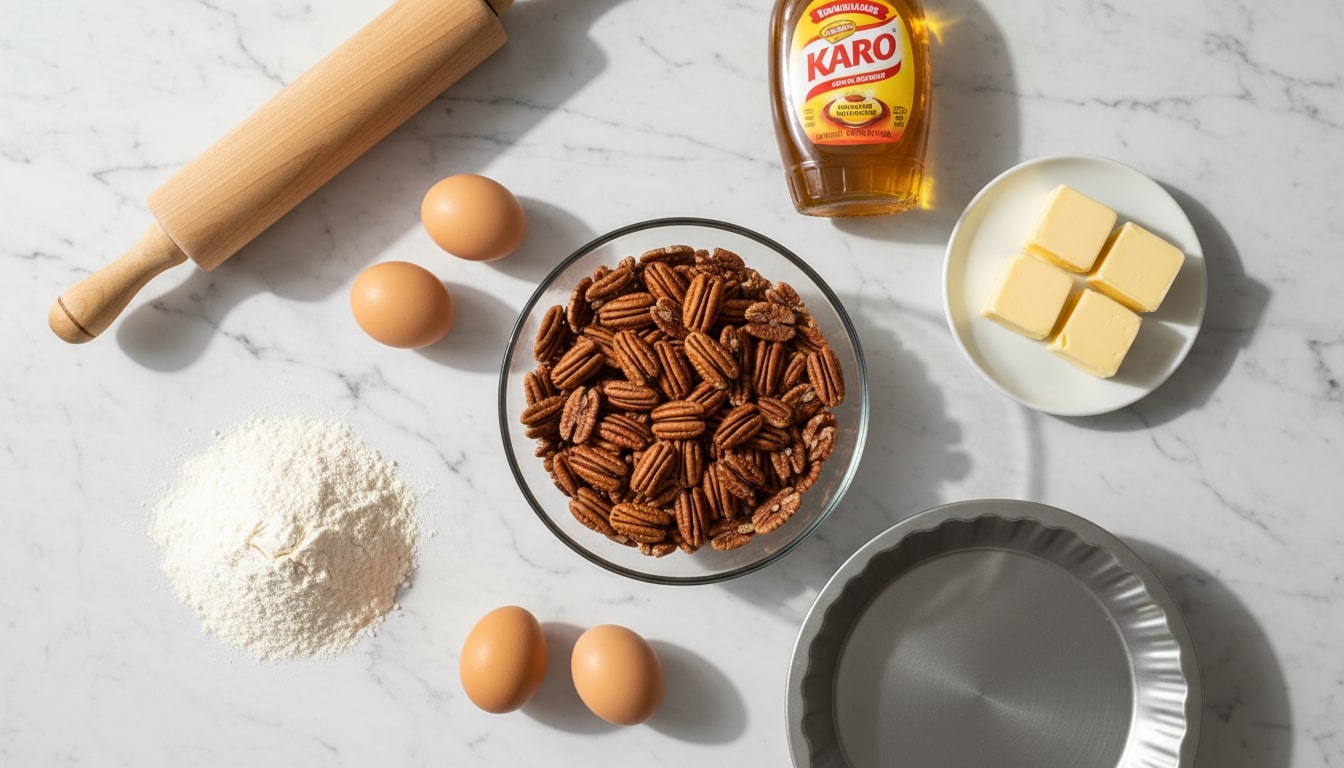
Ingredients Needed
For the Crust:
- 1¼ cups all-purpose flour
- ½ teaspoon salt
- ½ cup cold unsalted butter, cubed
- 3-4 tablespoons ice water
For the Filling:
- 3 large eggs
- 1 cup light corn syrup
- ¾ cup granulated sugar
- 2 tablespoons unsalted butter, melted
- 1 teaspoon vanilla extract
- ¼ teaspoon salt
- 2 cups pecan halves
Tools Needed
- 9-inch pie dish
- Rolling pin
- Mixing bowls (large and medium)
- Whisk
- Measuring cups and spoons
- Pastry cutter or fork
- Plastic wrap
- Aluminum foil or pie crust shield
Step-by-Step Baking Instructions
Step 1: Prepare the Pie Crust
In a large bowl, combine flour and salt. Cut in the cold butter using a pastry cutter or fork until the mixture resembles coarse crumbs. Gradually add ice water, one tablespoon at a time, mixing until the dough just comes together. Form into a disk, wrap in plastic wrap, and refrigerate for at least 30 minutes.
Step 2: Roll Out the Dough
On a lightly floured surface, roll the chilled dough into a 12-inch circle about ⅛-inch thick. Carefully transfer to your 9-inch pie dish, pressing gently into the bottom and sides. Trim excess dough, leaving a 1-inch overhang, then fold under and crimp the edges decoratively.
Step 3: Preheat and Prep
Preheat your oven to 350°F (175°C). Place the prepared pie crust in the refrigerator while you make the filling to keep it cold and prevent shrinking during baking.
Step 4: Make the Filling
In a medium bowl, whisk together the eggs until well beaten. Add corn syrup, sugar, melted butter, vanilla extract, and salt, whisking until smooth and fully combined. The mixture should be glossy and uniform.
Step 5: Assemble the Pie
Arrange the pecan halves in the bottom of the chilled pie crust in a single layer, creating an attractive pattern if desired. Slowly pour the filling mixture over the pecans, ensuring they’re evenly distributed. The pecans will naturally float to the top during baking.
Step 6: Protect the Crust
Cover the crimped edges of the crust with aluminum foil or a pie crust shield to prevent over-browning. This will keep your crust golden rather than burnt while the filling sets.
Step 7: Bake
Place the pie on the center rack of your preheated oven and bake for 50-60 minutes. The pie is done when the edges are set but the center still has a slight jiggle (it will continue to set as it cools). The filling should reach an internal temperature of 200°F.
Step 8: Cool Completely
Remove the pie from the oven and place on a wire rack. Allow it to cool at room temperature for at least 3-4 hours before slicing. This cooling time is crucial for the filling to set properly and achieve the perfect texture.
Step 9: Serve and Enjoy
Once completely cooled, slice your pecan pie and serve at room temperature or slightly warmed. Top with a dollop of whipped cream or a scoop of vanilla ice cream for an extra indulgent treat.
Common Pecan Pie Mistakes to Avoid
Even experienced bakers can encounter pitfalls when making pecan pie. Understanding these common mistakes and how to prevent them will ensure your pie turns out perfectly every time, with a crisp crust and silky filling.
Overbaking the Pie
One of the most frequent mistakes is leaving the pie in the oven too long, resulting in a dry, cracked filling with a rubbery texture. The center should still have a slight jiggle when you remove it from the oven, it will continue to set as it cools. Use the wobble test: gently shake the pie, and if the edges are firm but the center moves slightly like gelatin, it’s ready. An instant-read thermometer should register around 200°F in the center for perfect doneness.
Not Cooling the Pie Completely
Cutting into your pecan pie while it’s still warm is tempting, but this leads to a runny, soupy filling that won’t slice cleanly. The filling needs at least 3-4 hours at room temperature to set properly and develop its signature gooey-yet-sliceable texture. For best results, many bakers recommend making pecan pie the day before serving, allowing it to cool overnight. Patience here makes all the difference between a messy slice and a picture-perfect wedge.
Using a Warm Crust
Pouring hot filling into a room-temperature crust can cause the bottom to become soggy and undercooked. Always chill your prepared pie crust in the refrigerator while making the filling, and consider blind-baking it for 10 minutes if you’re prone to soggy bottoms. The cold crust creates a barrier that helps it crisp up properly in the oven, giving you that satisfying crunch with every bite.
Skipping the Crust Shield
Failing to protect your pie crust edges results in burnt, bitter borders that detract from your beautiful dessert. The edges cook faster than the filling, so they need protection from direct heat. Cover the crimped edges with aluminum foil or use a silicone pie crust shield from the start, or add it halfway through baking if you notice browning too quickly.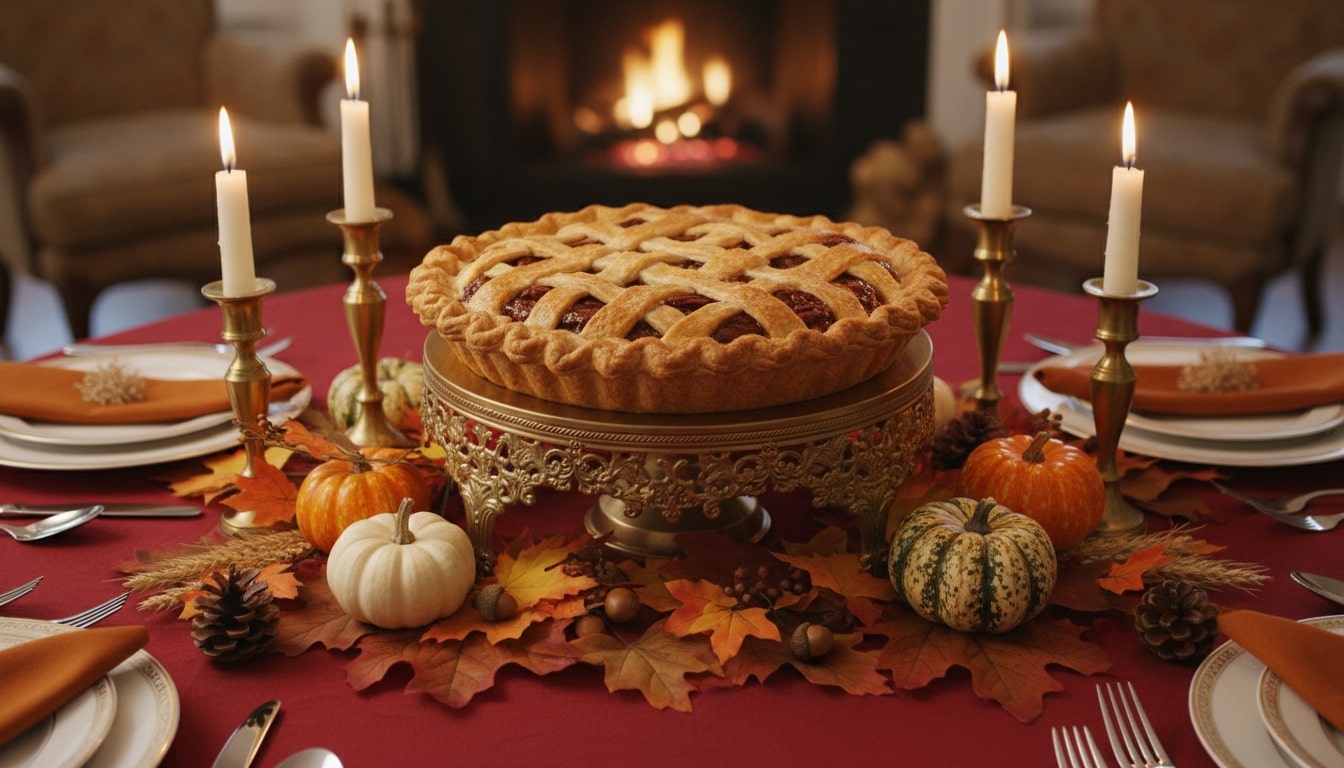
Not Measuring Corn Syrup Accurately
Corn syrup is sticky and difficult to measure, leading many bakers to estimate rather than measure precisely. Too much creates an overly sweet, gummy filling, while too little results in a grainy texture. Spray your measuring cup with cooking spray before adding corn syrup, it will slide right out, ensuring accurate measurements. This small step makes a significant difference in achieving the perfect consistency.
Adding Pecans Incorrectly
Stirring pecans directly into the filling mixture often causes them to sink to the bottom unevenly or float in clumps. Instead, arrange the pecans in a single layer in the bottom of your crust before pouring the filling over them. They’ll naturally rise to the top during baking, creating an attractive, evenly distributed layer that looks professionally made.
Best Pecans for Pecan Pie: Buying and Toasting Guide
The quality and preparation of your pecans can make or break your pecan pie. Choosing fresh, flavorful nuts and knowing whether to toast them will elevate your dessert from good to extraordinary with minimal extra effort.
Choosing Fresh, Quality Pecans
Always look for plump, uniform pecan halves with a rich brown color and no signs of shriveling or discoloration. Fresh pecans should smell sweet and nutty, never musty or rancid, the high oil content in pecans means they can go bad quickly. Buy from stores with high turnover, and check the “best by” date if purchasing packaged nuts. Specialty stores and farmers’ markets often carry superior pecans, especially during fall and winter harvest season.
Pecan Halves vs. Pieces
While pecan pieces are more economical, halves are the gold standard for pecan pie because they create a beautiful presentation and provide better texture. The large, intact pieces give you that satisfying crunch and make for stunning slices that showcase the nuts prominently. Save pecan pieces for recipes where appearance matters less, like brownies or cookies, but invest in halves for your pie, your guests will notice the difference.
Raw vs. Toasted Pecans
This is a matter of personal preference, but toasting pecans before adding them to your pie intensifies their flavor and adds a deeper, more complex nuttiness. Raw pecans work perfectly fine and will toast slightly during baking, giving you a milder, sweeter flavor that lets the caramel filling shine. Consider your audience: toasted pecans appeal to those who love bold, roasted flavors, while raw pecans offer a more traditional, delicate taste.
How to Toast Pecans Properly
If you choose to toast your pecans, spread them in a single layer on a baking sheet and bake at 350°F for 5-8 minutes, stirring halfway through. Watch them carefully, pecans can go from perfectly toasted to burnt in seconds due to their high oil content.
They’re ready when fragrant and slightly darkened, but remove them just before they reach your desired color as they’ll continue cooking on the hot pan. Let them cool completely before adding to your pie.
Storing Pecans for Maximum Freshness
Pecans are best stored in an airtight container in the refrigerator for up to 6 months or in the freezer for up to a year. Room temperature storage causes them to go rancid quickly, especially in warm climates, resulting in bitter, unpleasant flavors in your pie. Before using refrigerated or frozen pecans, bring them to room temperature and taste one to ensure freshness, this simple quality check prevents ruining an entire pie with off-flavoured nuts.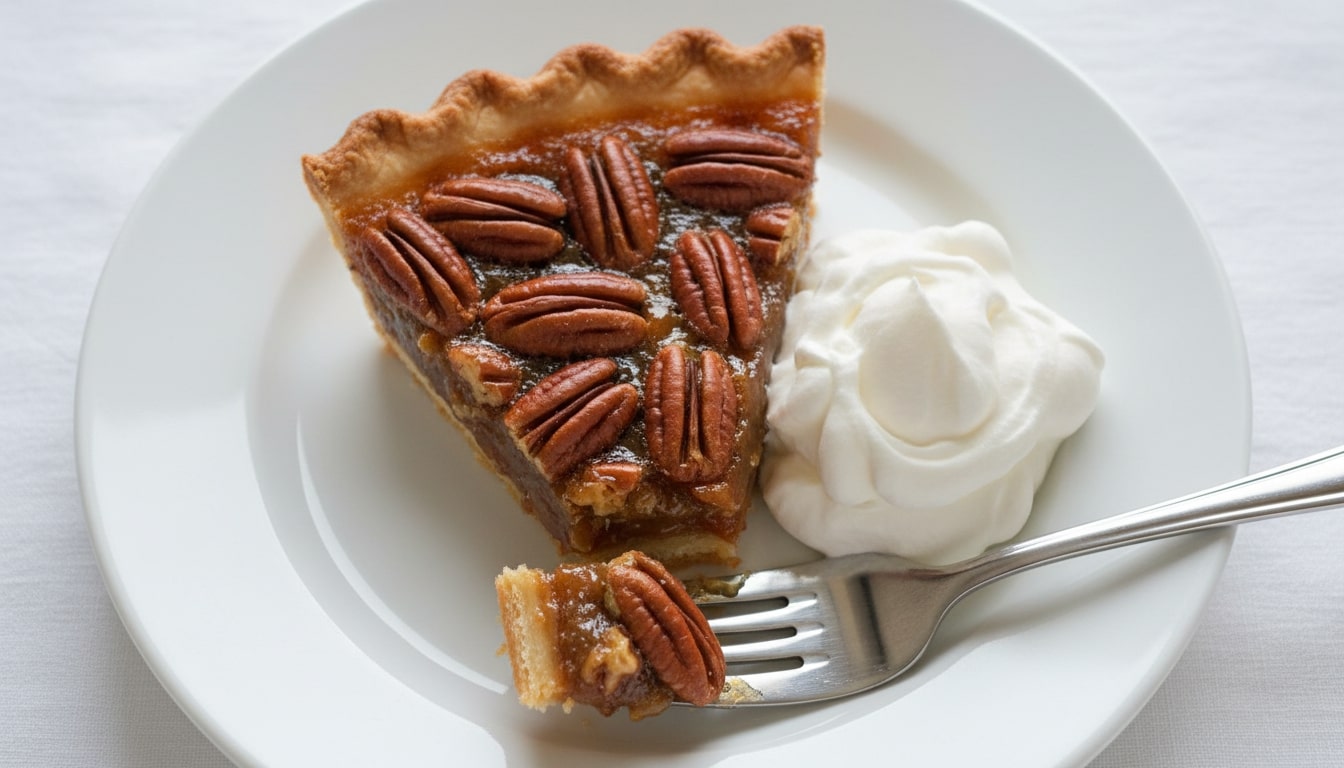
Organic vs. Conventional Pecans
Organic pecans are grown without synthetic pesticides and often have superior flavor, though they come at a premium price. For pecan pie where the nuts are a star ingredient rather than a background player, the investment in organic or locally-sourced pecans can be worthwhile. However, conventional pecans from reputable brands work beautifully too, focus more on freshness than organic certification if budget is a concern.
Conclusion
Baking the perfect pecan pie combines simple techniques with quality ingredients to create a timeless dessert. With proper preparation, attention to detail, and patience during cooling, you’ll achieve a pie with a flaky crust and perfectly set filling that impresses everyone. Whether honoring a family tradition or having the best Thanksgiving dessert, this classic Southern dessert brings warmth to any gathering.
FAQ: Classic Pecan Pie Dessert
- Can I make pecan pie without corn syrup?
- Yes, you can substitute corn syrup with pure maple syrup, honey, golden syrup, or dark corn syrup. Each alternative creates slightly different flavor profiles, maple adds earthiness while honey brings floral notes. You may need to adjust the sugar content depending on your chosen sweetener’s intensity and consistency.
- Why did my pecan pie crack on top?
- Cracking occurs when the cake is overbaked or cooled too quickly, causing the filling to contract and split. Remove the pie when the center still jiggles slightly, and cool gradually at room temperature. Cracks don’t affect taste and can be hidden with whipped cream or by serving slices cracked-side down.
- Can pecan pie be served warm or does it need to be cold?
- Pecan pie is best served at room temperature or slightly warm, allowing its gooey texture to shine. Let it cool completely first, then reheat slices if desired. Serving cold from the refrigerator creates a firmer, fudgier texture. Experiment to find your preference, all temperatures work beautifully.
- How long does pecan pie last and does it need to be refrigerated?
- Pecan pie lasts 2 days at room temperature but should be refrigerated for longer storage, lasting 4-5 days covered. It freezes excellently for up to 3 months when wrapped tightly. Bring refrigerated pie to room temperature 30 minutes before serving for optimal flavor and texture.
- Can I use a different type of nut instead of pecans?
- Yes, walnuts make an excellent substitute with a slightly earthier flavor. Macadamia nuts create a buttery variation, while mixed pecans and almonds add complexity. Toasted hazelnuts pair beautifully with chocolate versions. Different nuts will change the flavor profile but create equally delicious results.