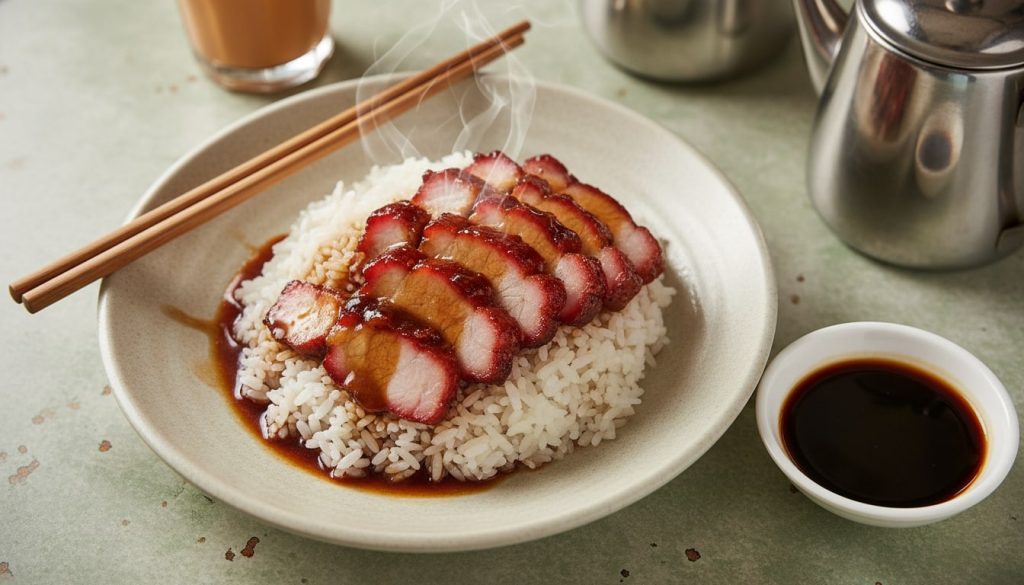
The glossy, caramelized edges of Char Siu have been drawing people into Hong Kong restaurants for generations, but the real magic happens when you discover how achievable this dish is in your own kitchen. What makes Cantonese barbecued pork so compelling is not just its sweet-savory flavor profile, but the way it transforms simple ingredients into something that carries deep cultural significance and personal nostalgia for millions.
The difference between dry, disappointing pork and the tender, juicy slices you remember from your favorite takeout spot comes down to understanding a few critical choices about your ingredients and technique. This recipe walks you through the traditional Hong Kong approach to Char Siu over rice, complete with the aromatic sweet soy sauce that ties everything together.
Contents
Key Takeaways
- The key to juicy Char Siu is using boneless pork butt (Mei Tou) with a good fat-to-lean ratio, which keeps the meat moist during high-heat roasting.
- A 24-hour marinade is essential for deep flavor penetration, while a multi-stage roasting process with basting creates the signature caramelized glaze and tender interior.
- The sweet soy sauce, often overlooked, is a crucial component that elevates the entire dish when served over hot rice.
- Char Siu is more than just a recipe; it is a cultural comfort food deeply rooted in Hong Kong’s culinary tradition and personal nostalgia.
Cantonese Style BBQ Pork Over Rice (Char Siu with Rice)
This authentic Hong Kong recipe delivers juicy, caramelized pork with a glossy finish that rivals your favorite restaurant, requiring just one day of marinating and a carefully timed roasting process.
Ingredients
For the Pork:
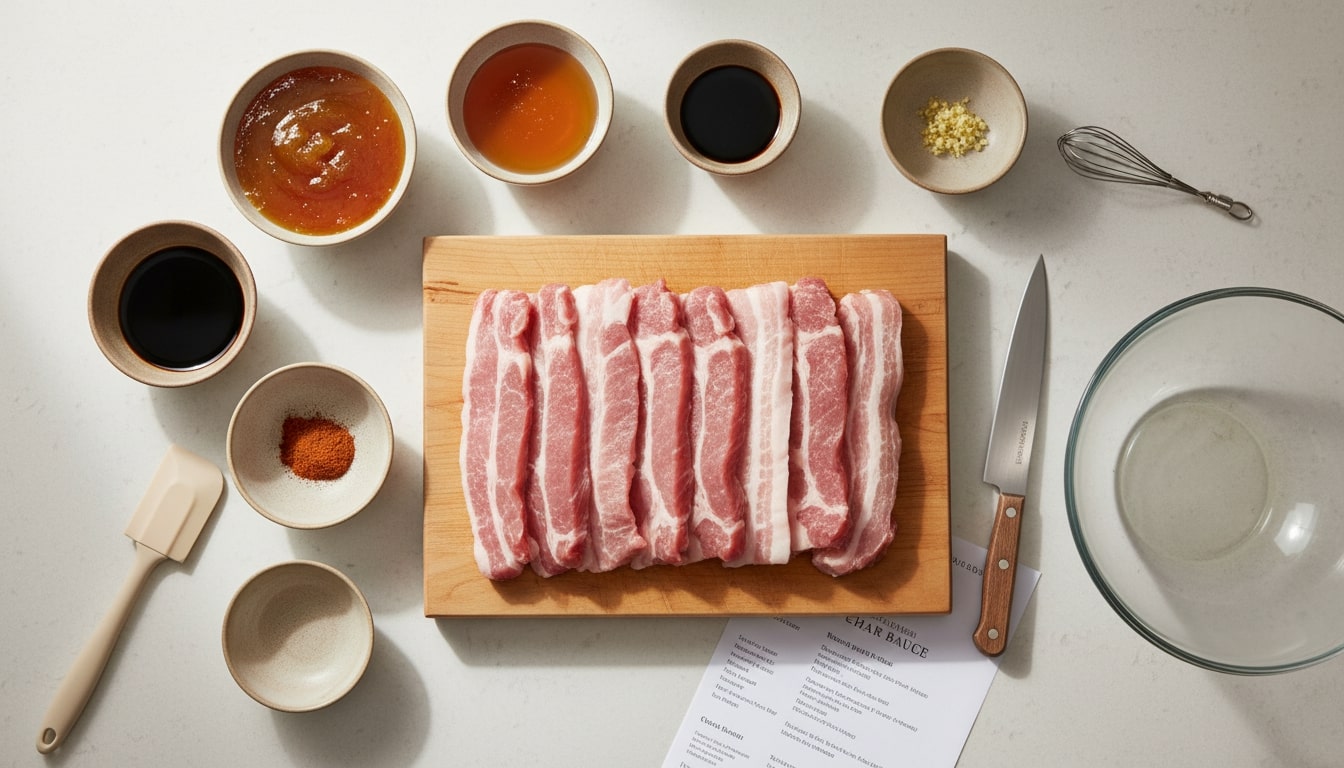
- 1 pound boneless pork shoulder or pork butt (Mei Tou)
- 1 tablespoon vegetable oil (for marinade)
- 3 cups hot cooked rice (for serving)
For the Char Siu Marinade/BBQ Sauce:
- 3 tablespoons maltose (or substitute honey or corn syrup)
- 3 tablespoons honey
- 3 tablespoons hoisin sauce
- 3 tablespoons light soy sauce
- ¾ tablespoon Chinese rose wine (or Shaoxing rice wine)
- ¼ teaspoon ground white pepper (approximately 6 dashes)
- 1 teaspoon Chinese five-spice powder
- 1 teaspoon sesame oil
- 2 teaspoons molasses
- 1 tablespoon oyster sauce
- 3 cloves garlic, finely chopped
- 6 drops red food coloring (optional)
For the Basting Glaze:
- Reserved BBQ sauce (about ⅓ cup)
- 1 tablespoon honey
- 1 tablespoon vegetable oil
- 1 tablespoon hot water (optional, if mixture is too thick)
For the Sweet Soy Sauce:
- 1½ tablespoons light soy sauce
- 1½ tablespoons dark soy sauce
- 1½ tablespoons sugar
- ¼ teaspoon sesame oil
- ¼ cup water
- ½ tablespoon vegetable oil
- 2 pieces sliced ginger, peeled and smashed (optional but recommended)
- 1 piece green onion, cut into 1-inch lengths (optional but recommended)
- 1 clove garlic, peeled and smashed (optional but recommended)
- 1 small shallot, cut into 3 pieces (optional but recommended)
Tools and Equipment
- Small saucepan
- Deep-dish plate or glass container for marinating
- Plastic wrap
- Small bowls for sauce storage
- Rimmed baking sheet
- Aluminum foil
- Metal rack (to fit inside baking sheet)
- Pastry brush or basting brush
- Meat thermometer
- Cutting board
- Sharp knife
Step-by-Step Instructions
Day 1: Prepare and Marinate the Pork
- Trim some fat from the pork butt, but do not remove all of it as the fat keeps the meat juicy during roasting. Cut the pork into 4 to 5 strips, each roughly ¾ inch thick.
- In a small saucepan, combine the maltose, honey, hoisin sauce, light soy sauce, Chinese rose wine, ground white pepper, Chinese five-spice powder, sesame oil, molasses, oyster sauce, and red food coloring if using. Heat the mixture over medium-low heat, stirring continuously until the sauce becomes slightly thickened, which should take about 5 minutes.
- Remove the BBQ sauce from the heat and pour approximately ⅓ cup into a small bowl, then set this reserved portion aside to cool. Keep the remaining sauce in the saucepan and allow it to cool slightly as well.
- Place the pork strips in a deep-dish plate or glass container and add the 3 cloves of finely chopped garlic. Pour the larger portion of BBQ sauce from the saucepan over the pork and rub the marinade and garlic thoroughly into all sides of each strip.
- Cover the plate tightly with double layers of plastic wrap and refrigerate for 24 hours. Cover the reserved ⅓ cup of BBQ sauce and store it in the refrigerator as well.
Day 2: Prepare Basting Glaze and Sweet Soy Sauce
- After 24 hours, prepare the basting glaze by combining the reserved BBQ sauce with 1 tablespoon vegetable oil and 1 tablespoon honey. Mix well, cover, and keep chilled until needed. If the mixture is too thick due to the maltose, you can add 1 tablespoon of hot water or briefly warm it in the microwave to make it easier to work with.
- In a small bowl, whisk together the light soy sauce, dark soy sauce, sugar, sesame oil, and water for the sweet soy sauce.
- Heat ½ tablespoon vegetable oil in a small saucepan over medium-high heat. Add the optional aromatics (ginger, green onion, garlic, and shallot) and cook until they become slightly browned.
- Turn the heat to medium and add the soy sauce mixture to the pan. Bring the sauce to a boil, then reduce the heat and let it simmer for a few minutes. Remove and discard the ginger, green onion, garlic, and shallot, then turn off the heat. Transfer any leftover sweet soy sauce to a small bowl for serving.
Roast the Pork
- Position an oven rack in the upper third of the oven and preheat to 475°F (246°C).
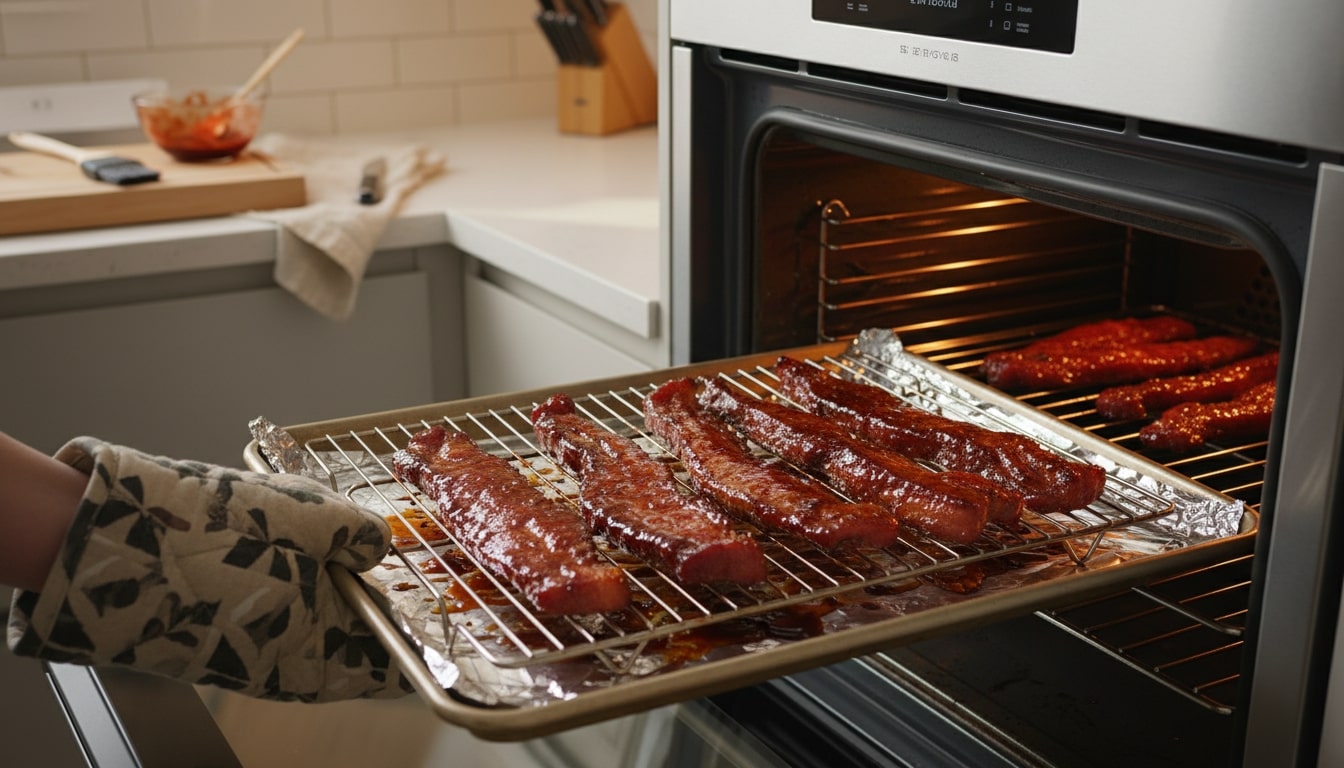
- Line a rimmed baking sheet with aluminum foil and place a metal rack on top. Pour 1½ cups of water into the pan beneath the rack to prevent drippings from burning or smoking during the roasting process.
- Wipe off most of the sauce and garlic pieces from the pork strips, leaving just a light coating. Arrange the strips on the prepared rack with space between each piece to allow for even air circulation.
- Transfer the baking sheet to the preheated oven and roast at 475°F (246°C) for 10 minutes.
- Reduce the oven temperature to 375°F (190°C) and continue roasting for another 15 minutes.
- After 25 minutes of total roasting time, remove the pan from the oven and flip each pork strip. Rotate the pan 180 degrees to ensure even cooking. Brush a generous layer of the basting glaze over the pork and return it to the oven for another 10 minutes.
- Remove the pan again and brush the pork with another layer of basting glaze. Increase the oven temperature to 425°F (220°C) and roast for a final 10 to 18 minutes, or until the pork is cooked through with slightly charred edges. The internal temperature should reach at least 145°F when checked with a meat thermometer.
- If you want more caramelization and char, you can turn on the broiler for 1 to 2 minutes at the very end, but watch the pork closely to prevent the sweet glaze from burning.
Serve
- Transfer the cooked pork to a cutting board and let it rest for 3 minutes to allow the juices to redistribute.
- Divide the hot cooked rice between 2 serving plates and spoon about 2 tablespoons of the sweet soy sauce over each portion of rice.
- Slice the rested pork into pieces that are ¼ to ½ inch thick. Arrange the sliced pork over the rice and serve immediately while everything is hot.
The Cultural Story Of Char Siu: Why Hong Kongers Love This Comfort Classic
For many Hong Kongers, Char Siu is not just another roast meat, it is the taste of childhood lunches, after-school snacks, and quick comfort dinners grabbed from the nearest siu mei shop.
The name Char Siu literally translates to fork roast, a reference to the traditional method of skewering marinated pork on long metal forks and roasting it in special ovens where the meat hangs and slowly caramelizes.
Walk down a busy Hong Kong street at lunchtime, and you will often see glossy, crimson slabs of pork hanging in the window, promising a fast but deeply satisfying meal that is usually served with nothing more elaborate than plain rice and a spoon.
That simple pairing reflects a local philosophy that when the meat is properly marinated, roasted until tender, and glazed to a fragrant shine, you do not need anything complicated to feel completely nourished and at home.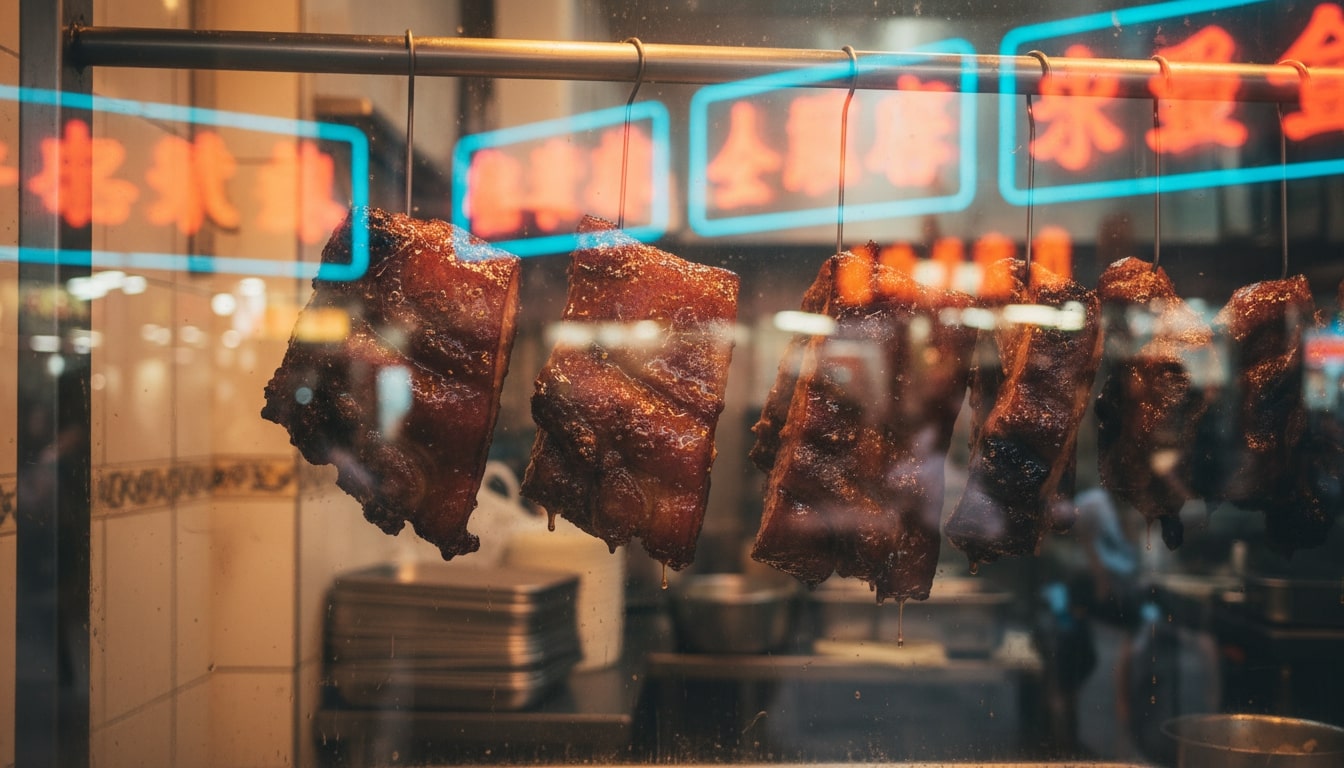
The Quest For Juiciness: Why Pork Butt (Mei Tou) Is The Only Cut That Works
Perfect Char Siu starts long before the marinade and the oven, it begins at the butcher’s counter where choosing the right cut quietly decides whether your pork turns out plush or painfully dry.
Understanding the Fat-to-Lean Balance
Pork shoulder, also called pork butt or Mei Tou, comes from the upper part of the front leg and naturally carries a generous web of intramuscular fat through the meat. This balance of fat and lean means the pork can handle high oven temperatures without seizing up and becoming stringy. As the fat slowly renders in the heat, it bastes the meat from within and helps keep each slice moist, tender, and full of flavor. Very lean cuts cannot deliver the same insurance, so they tend to dry out before the center is properly cooked.
Why Pork Butt Beats Other Cuts
Pork belly can taste luxurious but often ends up too fatty for those who want distinct, meaty slices over rice rather than soft layers of fat. Pork neck offers good flavor and marbling yet is less widely available and sometimes inconsistent in thickness, which can complicate roasting times.
Pork butt, on the other hand, reliably gives that sweet spot of chew, juiciness, and structure that makes those iconic, slightly bouncy Char Siu slices. It is also forgiving, so home cooks get restaurant-level results even without professional ovens.
The Problem With Lean Cuts Like Pork Tenderloin
Pork tenderloin sounds appealing because it is tender by name, but for Char Siu it can be surprisingly unforgiving. Its low fat content means it goes from just done to overcooked in a very short window, especially with a sugary glaze that requires high heat.
You often end up shortening the cooking time to protect the meat, which can leave the center under-flavored and the exterior under-caramelized. In contrast, pork butt has enough built-in moisture to withstand longer roasting and repeated basting while still finishing juicy.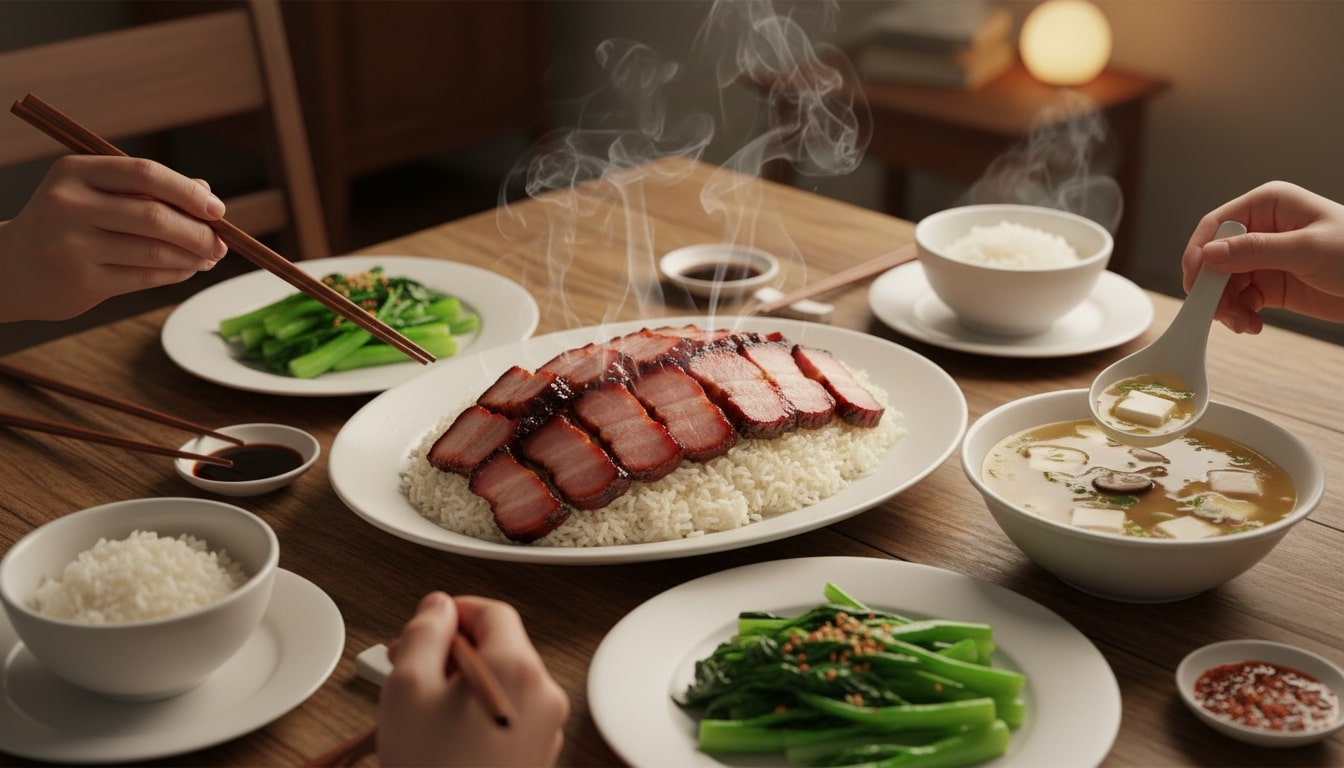
How To Choose And Prep The Right Piece
When you buy pork butt for Char Siu, look for a piece with visible marbling and a modest, even layer of surface fat, rather than a completely lean block. You should trim only the thickest, waxy sections of fat and leave a fair amount intact so it can melt and enrich the meat as it roasts.
Cutting the butt into 4 to 5 long strips about three quarters of an inch thick increases the surface area for marinade and helps the glaze cling and caramelize properly. This combination of the right cut, thoughtful trimming, and consistent strip size sets you up for the kind of juicy, glistening Char Siu that holds its own against any siu mei shop.
Conclusion
Making authentic Char Siu at home requires patience for the 24-hour marinade and attention during the multi-stage roasting process, but the reward is pork that rivals anything you would find hanging in a Hong Kong siu mei shop window. The combination of maltose glaze, carefully chosen pork butt, and strategic temperature changes creates those signature caramelized edges and juicy interiors that make this dish so memorable.
Once you master the technique, you will find yourself making double batches because leftover Char Siu transforms everything from fried rice to steamed buns into something special. This is comfort food that carries cultural weight, and now you have the knowledge to bring that tradition into your own kitchen.
Discover more Asian tastes with our article on Chinese New Year Dishes!
Frequently Asked Questions
- Can I make Char Siu without maltose?
- Yes, you can substitute maltose with honey or corn syrup, though the texture and sweetness will differ slightly. Maltose creates a thicker, stickier glaze with less intense sweetness compared to honey, which is why it produces that characteristic glossy sheen on restaurant-style Char Siu. If you use honey as a complete replacement, your glaze may caramelize faster and taste sweeter, so watch the pork closely during the final high-heat stage to prevent burning.
- Why does my Char Siu turn out dry even when I follow the recipe?
- The most common culprit is using pork that is too lean or overcooking the meat past 145°F internal temperature. Even with proper marinating, cuts like pork tenderloin or trimmed loin lack the intramuscular fat needed to stay moist during the long, high-heat roasting process. Make sure you are using pork butt with visible marbling, and consider pulling the meat from the oven at 140°F since carryover cooking will bring it up to the safe temperature during the resting period.
- Can I cook Char Siu on a grill instead of in the oven?
- Absolutely, and grilling can add an extra layer of smoky flavor that complements the sweet marinade beautifully. Set up your grill for indirect heat with a drip pan underneath to catch the sugary drippings, and maintain a temperature around 375°F for most of the cooking time. You will still want to baste the pork multiple times and finish over higher heat or direct flame for the final char, but watch it carefully since grill hot spots can burn the glaze quickly.
- How long can I store leftover Char Siu and how should I reheat it?
- Properly stored Char Siu will keep in an airtight container in the refrigerator for up to 4 days, or you can freeze it for up to 3 months. For reheating, the gentlest method is steaming the sliced pork for a few minutes until warmed through, which helps retain moisture better than microwaving. If you prefer a bit of caramelization, you can also reheat slices in a hot skillet with a small splash of water and a brush of the leftover glaze.
- What is the purpose of the water in the baking pan during roasting?
- The water serves as a heat buffer and prevents the sugary drippings from the pork from burning and smoking up your kitchen. As the glaze melts off the meat during roasting, it falls into the pan below, and without water those sticky, sugar-rich drippings would scorch at high temperatures and create acrid smoke. The water keeps the drippings liquid and the oven environment slightly more humid, which also helps the pork stay moist throughout the long cooking process.