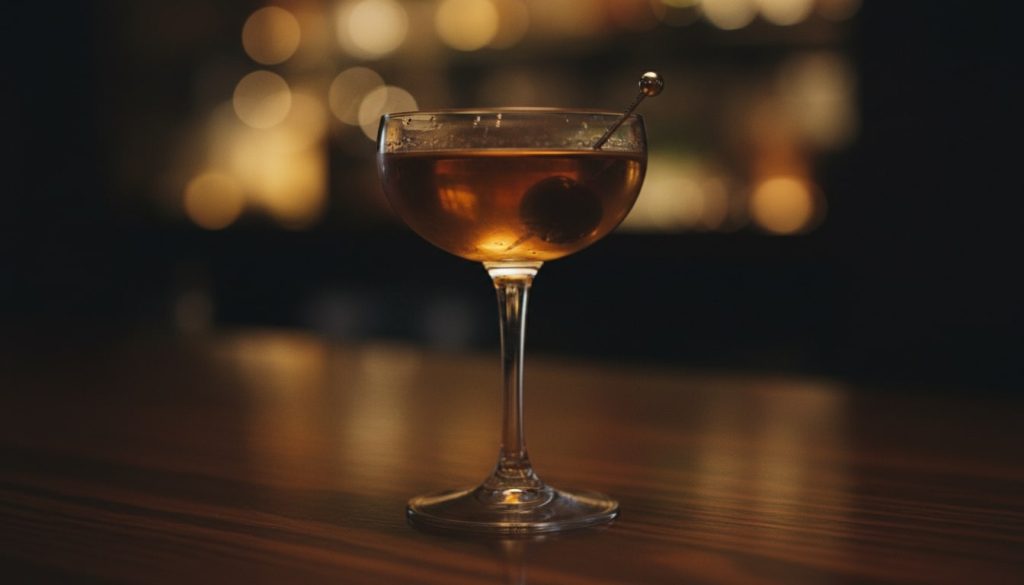
The Manhattan is one of those classic whiskey cocktails that never really goes out of style. It’s simple on paper, just whiskey, sweet vermouth, and bitters. However, the flavor is much more refined than these ingredients alone. Done right, a Manhattan is a smooth and rich cocktail drink with a warm aromatic finish. This is why the drink is a must-order among bars across the world.
Here’s how to make a proper Manhattan with some of the common drinks. We also include bartender tips to help you make that professional-style cocktail everyone will love.
Contents
Key Takeaways
- The Manhattan is a classic, spirit-forward drink, and it really shines when the balance between whiskey, sweet vermouth, and bitters is dialed in.
- Fresh ingredients matter more than people think. Keep your sweet vermouth in the fridge, and use a good brandied cherry so the drink doesn’t taste flat or artificially sweet.
- Technique is a big part of why a Manhattan tastes “right.” Stirring for about 20–30 seconds gets you the smooth texture and clean dilution that shaking just can’t match.
- The 2:1 whiskey-to-vermouth ratio is a great base to work from, and it makes it easy to branch out into riffs like the Perfect, Dry, or Black Manhattan depending on what you’re in the mood for.
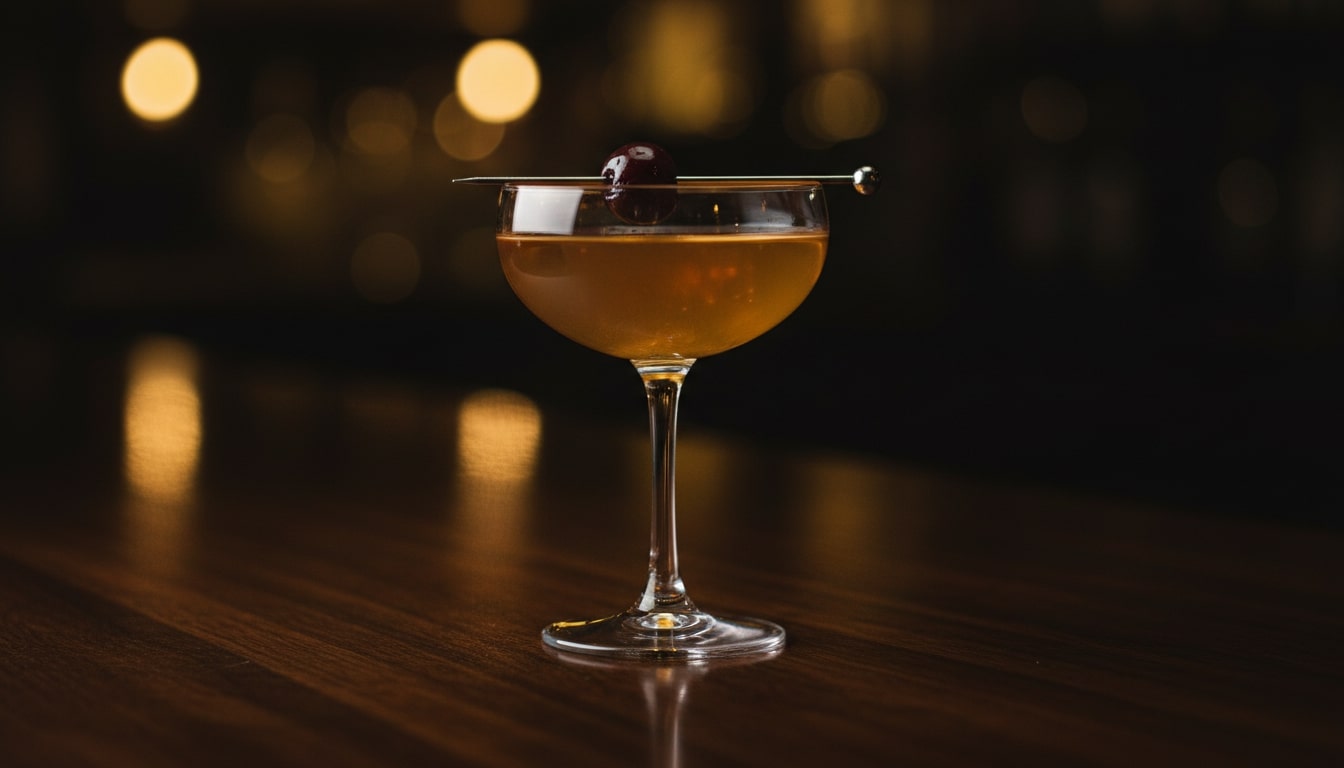
Classic Manhattan cocktail recipe
A classic Manhattan is smooth with a good alcohol balance when properly done. You need to achieve the proper ratio between all ingredients. This includes a good whiskey, fresh vermouth, and proper chilling on your glasses. As long as you are not rushing the drink, you will achieve that bar-quality Manhattan.
Ingredients
- 2 oz rye whiskey (bourbon works too if you want it a little sweeter)
- 1 oz sweet vermouth
- 2 dashes Angostura bitters
- Ice (for stirring)
- 1 brandied cherry or maraschino cherry (for garnish)
- Optional: lemon peel (adds a bright aroma)
Tools needed
- Mixing glass or a sturdy pint glass
- Bar spoon (a long-handled spoon is fine)
- Jigger or any measuring tool
- Hawthorne or julep strainer
- Coupe or Nick & Nora glass (chilled if you can)
Step-by-step instructions
- Pour the rye, sweet vermouth, and bitters to your mixing glass. You want to make sure it is chilled.
- Fill the glass with plenty of ice, at least three-quarters full. More ice chills faster and melts less.
- Stir for about 20–30 seconds until the drink is cold and slightly diluted.
- Set your strainer on top of the mixing glass.
- Strain into a chilled coupe or Nick & Nora glass.
- Garnish with a cherry, either dropped in or skewered on a pick.
- Optional: twist a strip of lemon peel over the drink to spray the oils on top, then discard it or drop it in.
- Serve right away while it’s still crisp and cold.
A Short History of the Manhattan
The Manhattan’s origin story is much more complicated, as you would expect from old cocktail recipes. Its tide up in a barroom legend and a few competing claims. The most famous one says it was created in the early 1880s at New York City’s Manhattan Club for a banquet hosted by Jennie Jerome, Winston Churchill’s mother. That story has been challenged a lot over the years because the dates don’t line up very well, but the connection to Manhattan and New York high society was already catchy enough to stick.
What we can say with more confidence is that the Manhattan shows up in print by the late 1800s. Usually calling for rye whiskey, Italian sweet vermouth, and bitters. It came out of a bigger trend at the time, the rise of “vermouth cocktails” that mixed American spirits with imported vermouth to make drinks that were smoother and more aromatic. Early recipes weren’t all identical, proportions shifted and bitters varied, but the core formula stayed the same. That consistency is part of why the Manhattan caught on so fast and ended up as a true classic.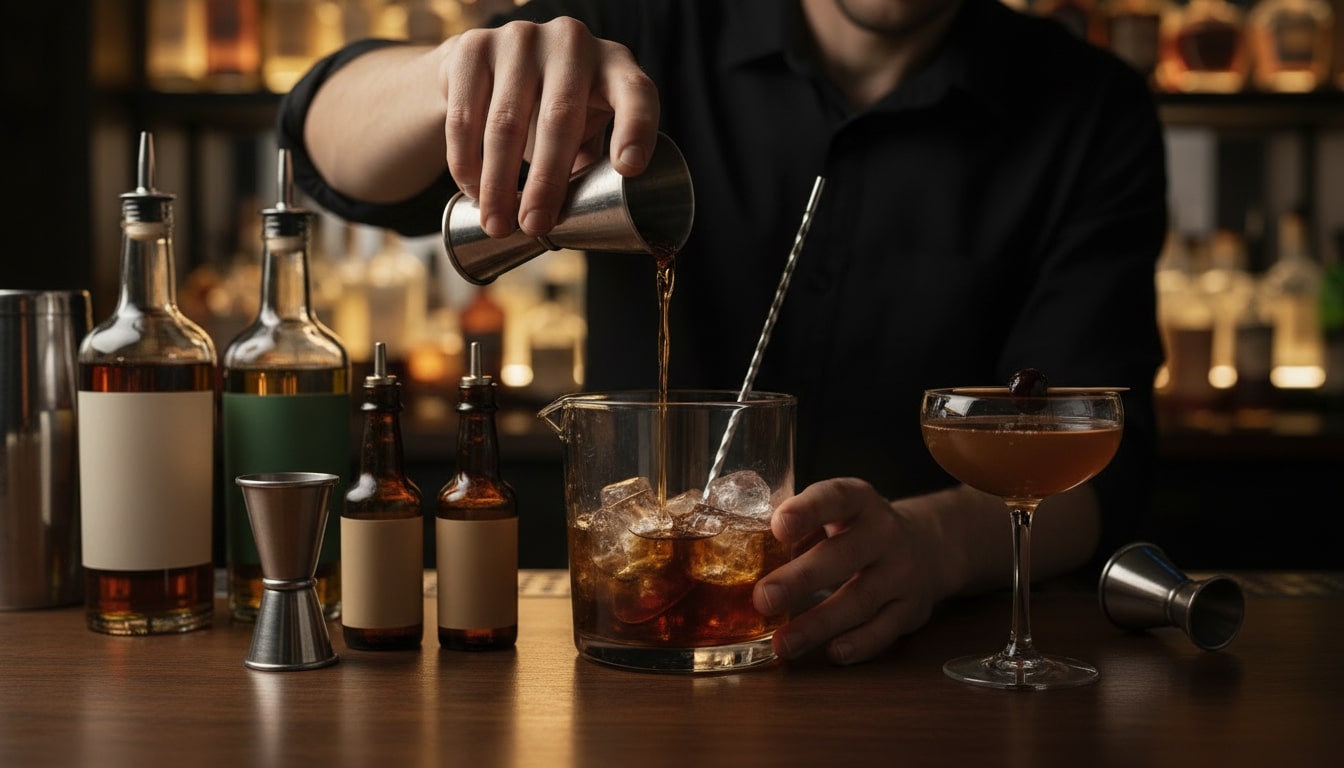
Common Manhattan Mistakes
A Manhattan looks simple, but tiny choices can throw it off fast. If you want a drink that tastes balanced, stays cold, and have that classy bar taste, you can easily catch these mistakes.
Using Low-Quality or Old Vermouth
Vermouth is basically wine, so it doesn’t stay fresh forever. If you use a bottle that’s been open for months and sitting at room temp, the drink can come out dull, sour, or a little metallic. Keep sweet vermouth in the fridge after opening, and try to finish it within a month or two so it still tastes bright and herbal.
Shaking Instead of Stirring
A Manhattan should be stirred, not shaken. Shaking whips in air and tiny ice shards, which can make the drink cloudy and a bit thin in texture. Stirring with plenty of ice chills it cleanly, keeps it clear, and gives you that smooth, silky mouthfeel people expect from a Manhattan.
Getting the Ratio Wrong
This cocktail lives and dies on balance. Too much vermouth and it turns syrupy and heavy. Too little and its just straight whiskey with a hint of bitters. The classic starting point is 2 ox whiskey to 1 oz sweet vermouth, then make small tweaks based on the whiskey you’re using. Higher-proof rye can handle a touch more vermouth, while a sweeter bourbon sometimes tastes better with slightly less.
Neglecting Proper Dilution
Water is the quiet ingredient in a Manhattan. Without enough dilution, it tastes “hot” and sharp. With too much, it tastes flat and watery. Stir for about 20–30 seconds with solid ice, and you’ll usually land in the sweet spot where the drink is cold, rounded, and aromatic without losing its punch.
Choosing the Right Garnish
The garnish isn’t just for looks, it changes the flavor. Those bright red sundae cherries can make the whole drink taste artificial. Go for a good brandied cherry if you can, something like Luxardo-style cherries, because the darker, richer sweetness fits the whiskey and vermouth instead of fighting them. A lemon peel twist is also a nice option if you want a lighter aroma on top.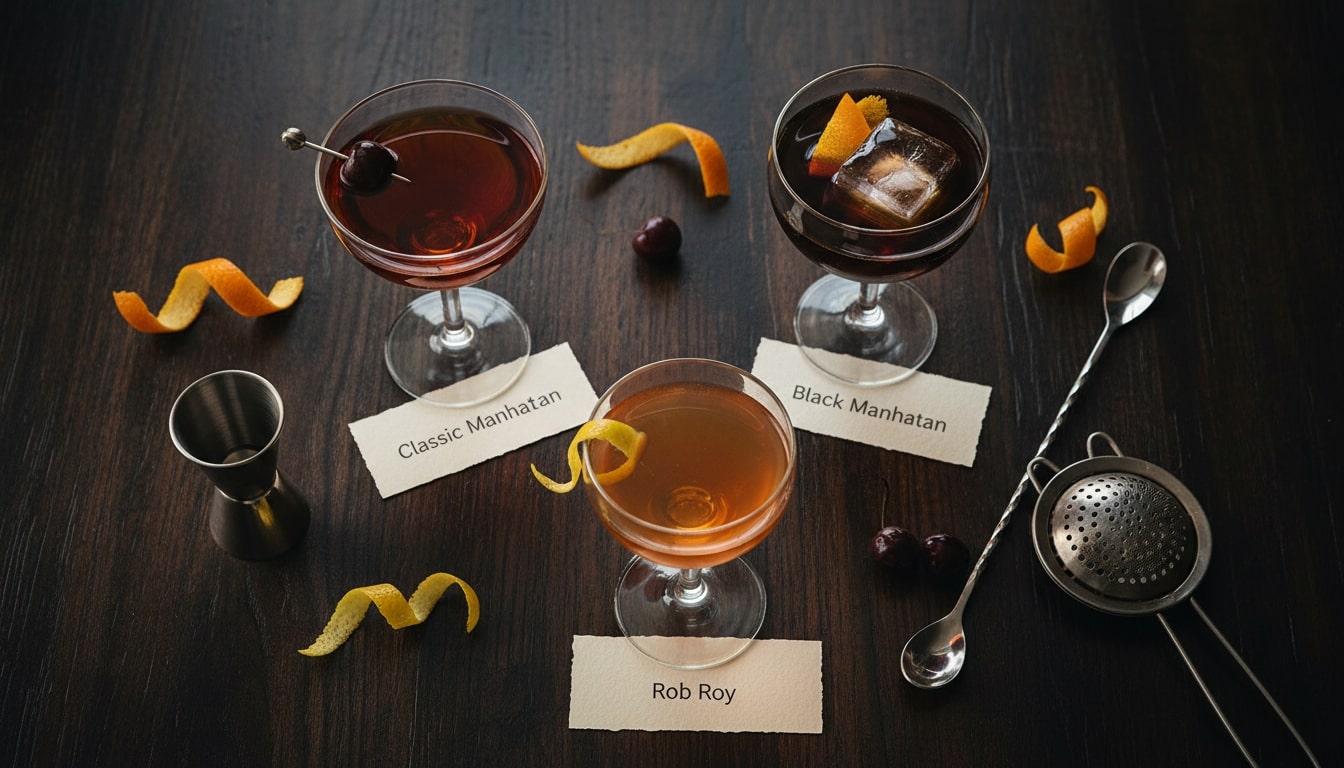
Manhattan Variations to Try
A Manhattan is basically a great “starter template” for your own custom cocktail drink. Once you understand the core balance, you can tweak the vermouth or use different kinds of ingredients to achieve a drink that delivers a different feel without losing the classic Manhattan flavor.
Perfect Manhattan
A Perfect Manhattan is a little less sweet and a bit more layered because it uses both sweet and dry vermouth. It still tastes like a Manhattan, just cleaner and slightly drier around the edges. Mix 2 oz rye or bourbon, ½ oz sweet vermouth, ½ oz dry vermouth, and 2 dashes Angostura bitters. Stir with plenty of ice until it’s very cold, then strain into a chilled coupe or Nick & Nora. Garnish with a lemon twist if you want it brighter, or a cherry if you want it richer.
Dry Manhattan
The Dry Manhattan is for people who like their cocktails lean and spirit-forward. Sweet vermouth gets swapped out completely for dry vermouth, so the drink comes out crisp, herbal, and less round. Use 2 oz rye or bourbon, 1 oz dry vermouth, and 2 dashes Angostura or orange bitters. Stir with ice until well chilled, strain into a chilled coupe or martini glass, then garnish with a lemon twist. This one works especially well before dinner because it’s clean and not too sweet.
Black Manhattan
The Black Manhattan is a newer classic and a favorite for whiskey drinkers who like a little bitterness. Instead of sweet vermouth, you use a dark amaro, usually Averna, which brings in caramel, baking spice, and herbal depth. Combine 2 oz rye whiskey, 1 oz Averna (or a similar amaro), and 2 dashes Angostura and/or orange bitters. Stir with ice, strain into a chilled coupe or a rocks glass, then garnish with a brandied cherry or an orange peel. It’s darker, heavier, and more “late-night” than the standard Manhattan.
Rob Roy
A Rob Roy is basically a Manhattan built on Scotch instead of rye or bourbon. That swap changes everything, you get more malt, a little smoke depending on the Scotch, and a different kind of warmth. Mix 2 oz Scotch, 1 oz sweet vermouth, and 2 dashes Angostura bitters, then stir with ice until very cold and strain into a chilled coupe or Nick & Nora. Garnish with a cherry for the classic look, or a lemon twist to lift it up. Blended Scotch keeps it smooth and approachable, while a single malt can make it more intense and character-driven.
Creative Modern Riffs
After you’ve made a few classics, it’s easy to see why bartenders love playing with this formula. You’ll run into barrel-aged Manhattans, smoked-glass versions, or swaps like chocolate bitters, cherry bitters, or walnut bitters. Some recipes split the base, pairing rye with rum, brandy, or even mezcal for extra depth. Others trade vermouth for different fortified wines like Madeira or sherry.
If you want to make your custom Manhattan without the expensive experimentation, start with the classic 2:1 bitters to whiskey ratio. Change the variation of the drink with the classic ratio as your base. This keeps your Manhattan still have the classy flavor while having your own riff on the popular cocktail.
Conclusion
The Manhattan has stayed popular for a reason. It’s easy to make, it doesn’t need a long ingredient list, and it still feels more polished each time you mix one. Whiskey, vermouth, and bitters get you a drink that’s rich and balanced. Once you’ve got the basic stir-and-strain technique down, you are free to customize your drink to impress friends. Remember, getting the basics down is essential to achieving that classic New York cocktail.
FAQ: Manhattan Cocktail Recipe
- Can you batch Manhattans for a party?
- Yes, Manhattans are one of the easiest cocktails to batch. Mix the whiskey, vermouth, and bitters in a bottle using your usual ratio, then keep it chilled. When it’s time to serve, you can either stir individual drinks with ice, or pre-dilute the batch with a measured amount of water and store it in the fridge so it’s ready to pour. Serve in chilled glasses and garnish each one so it still feels fresh.
- How long does an opened bottle of vermouth last?
- Vermouth doesn’t last like liquor because it’s a fortified wine. Once you open it, it slowly oxidizes and starts losing the bright, herbal flavor that makes it work in cocktails. Keep it tightly capped in the refrigerator, and try to use it within about four to six weeks. It’s usually still safe after that, it just tastes flatter and can make your drink seem “off.”
- Should a Manhattan be served up or on the rocks?
- Traditionally, it’s served up in a chilled coupe or Nick & Nora glass. That said, pouring it over a large ice cube in a rocks glass is also common and honestly pretty nice, especially if you sip slowly. The ice keeps it cold and softens it over time. Pick whichever fits the moment and how you like it to drink.
- Is rye or bourbon better for a Manhattan?
- Rye is the classic base, and it gives you a drier, spicier Manhattan that balances sweet vermouth really well. Bourbon makes a rounder version with more caramel and vanilla notes, and it can feel smoother if you prefer sweeter whiskey. Neither is the “right” answer, it just depends on the flavor you want in the glass.
- What’s the best garnish for a Manhattan?
- A good cocktail cherry is the standard, ideally a brandied or Luxardo-style cherry that adds deep, dark fruit sweetness without tasting artificial. A lemon twist is also great, especially for Dry or Perfect Manhattans, because it adds a bright aroma on top. If you like, you can do both, drop in a cherry and express a twist over the surface for a little extra lift.