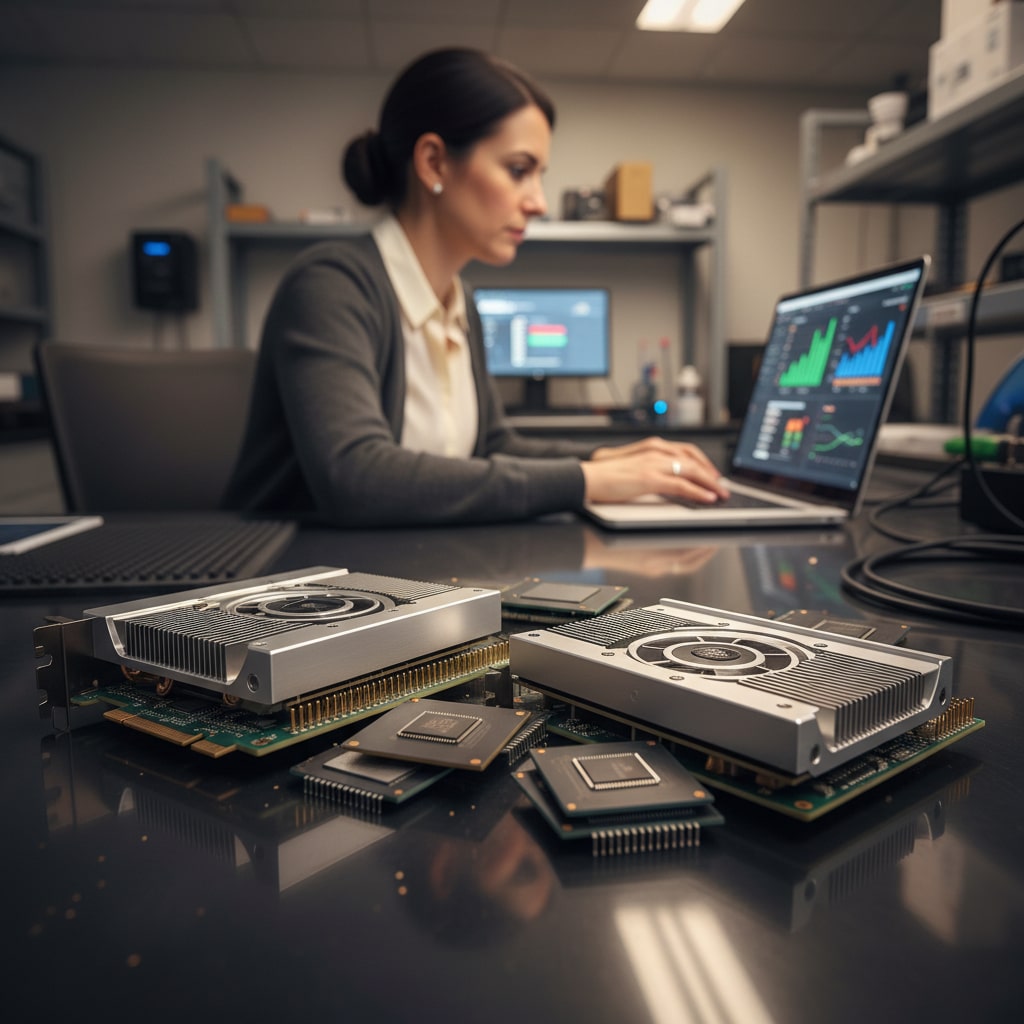
Everyone is talking about AI as if it is a magic money machine that will run forever. What this article from CNN highlights is a far less glamorous but incredibly important question: how long the very expensive chips that power AI will actually last, and whether they can earn their keep before they age out. In other words, tech’s multitrillion-dollar AI dream quietly rests on the shelf life of some very hard-working pieces of silicon.
Tech giants are expected to spend around $400 billion on AI-related infrastructure this year alone, mostly on data centers and specialized graphics processing units (GPUs) that train AI models. These chips run hot and hard, under huge computational strain, which means they wear out faster than the traditional CPUs that power older-style data centers.
Experts told CNN that GPUs may be able to train cutting-edge AI models for only 18 months to three years. After that, they might still be useful for lighter tasks, but their true top-tier earning power drops off.
This is where things get interesting for anyone who cares about the broader economy, retirement savings or simply how stable this AI wave really is. If the chips lose their economic value quickly, tech companies need AI revenue to roll in fast enough to justify constantly rebuilding their hardware stack.
Yet many corporate customers are still experimenting with AI and have not seen big bottom line gains. As Georgetown professor Tim DeStefano puts it, “The extent to which all of this build out is a bubble partially depends on the lifespan of these investments.” That quiet detail can decide whether AI becomes a durable new utility or just another overhyped boom.
Executives are clearly nervous. Microsoft’s Satya Nadella is spacing out infrastructure spending so that all those chips do not go obsolete at once. OpenAI’s CFO Sarah Friar even floated the idea that if the most advanced chips only last a few years, the company might need government help to backstop its debts, a comment the company then hurried to soften.
Investors like Michael Burry, famous from “The Big Short,” are already warning that tech firms might be overestimating how long these chips will be truly valuable.
Why does this matter to you, especially if you are not building AI models yourself? Because these investments ripple into everything from stock markets and pensions to electricity use and new power plants. As Princeton’s Mihir Kshirsagar notes, if the economics do not work out, “there are some very big societal questions.”
For the full picture, including expert estimates, investor warnings and how companies are trying to stretch every chip’s life, read the complete CNN piece: The Big Wrinkle in the Multitrillion Dollar AI Buildout.