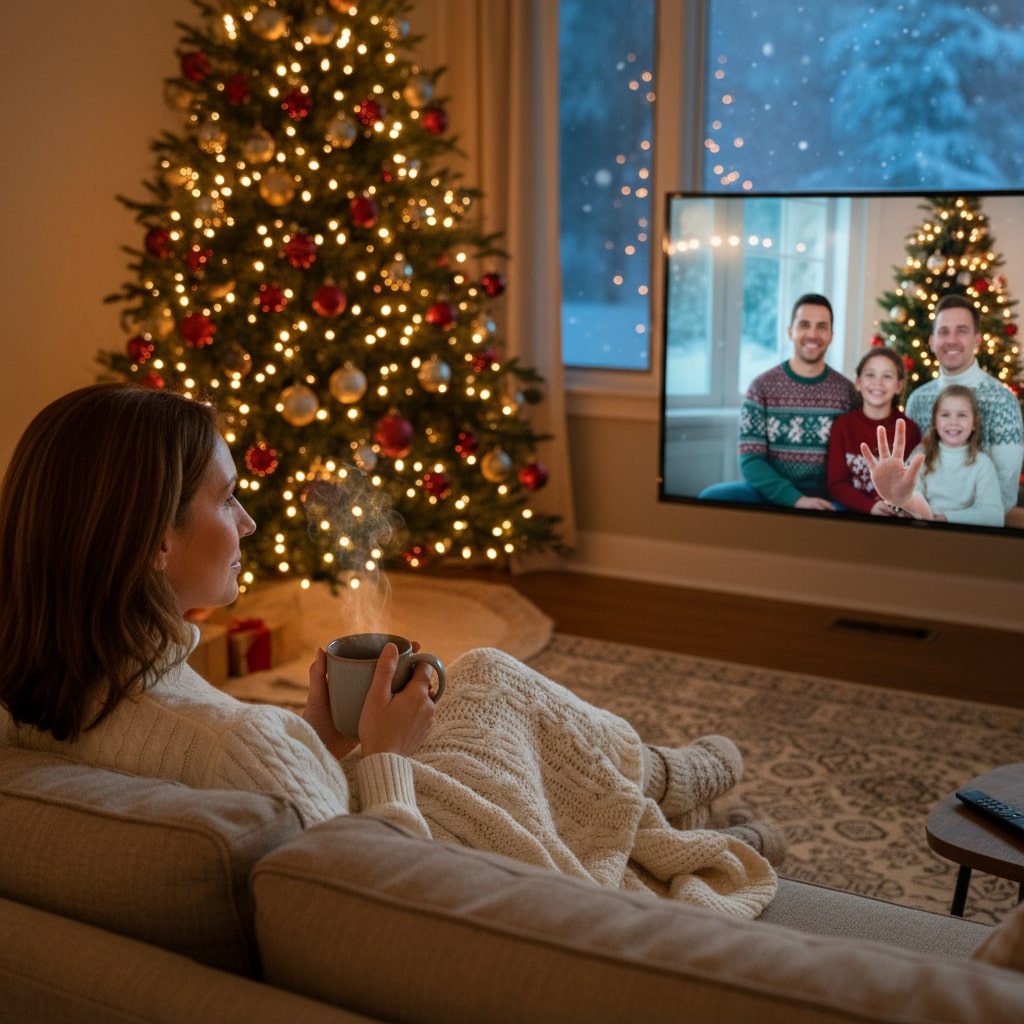
McDonald’s Netherlands tried to serve up a quick holiday crowd-pleaser with a 45-second AI-generated Christmas ad. Instead, it ran into the uncanny valley and pulled the spot after viewers called it creepy and poorly edited. The ad stitched together multiple generative clips to show holiday mishaps before suggesting time is better spent with the brand.
It went live on 6 December and was taken down on 9 December after backlash on YouTube and Instagram. McDonald’s said the moment was “an important learning” as it explores the effective use of AI, while the production partner defended the craft behind the work, noting it took weeks and thousands of takes to assemble.
Here is what makes this news truly noteworthy right now. Generative AI is moving from experimental to mainstream in advertising, especially during the high-stakes Christmas season. The promise is speed and scale. A big holiday campaign can take a year, and AI can dramatically compress that timeline. The risk is brand trust, audience comfort, and creative jobs.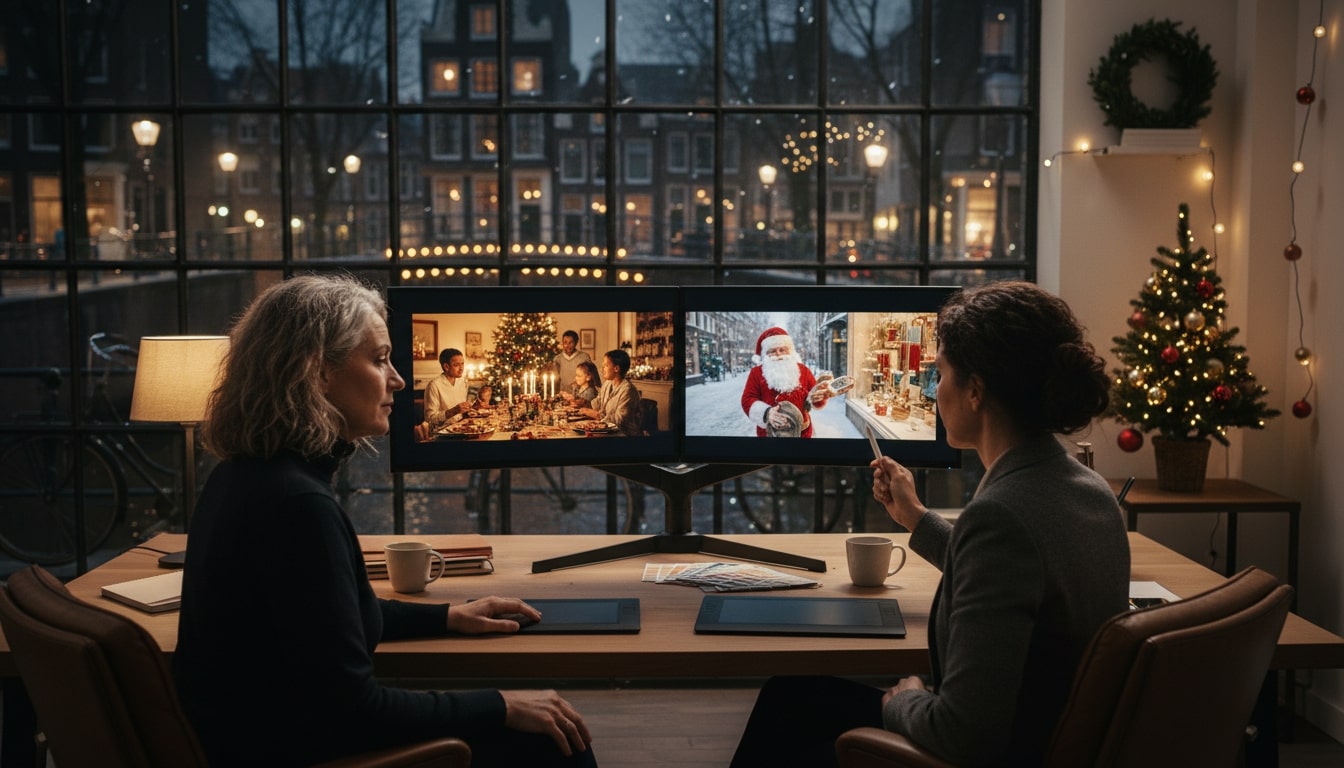
When AI outputs still carry telltale artefacts, even a polished 45 seconds can feel off to viewers who expect warmth and authenticity in December. That tension is the story. Some brands are finding success with AI-led festive campaigns, with one analytics report cited by the BBC estimating positive sentiment for Coca-Cola’s approach. Others, like Valentino and now McDonald’s Netherlands, have felt the pushback.
One human touch stands out. As The Sweetshop’s chief executive, Melanie Bridge told Futurism, quoted by the BBC, “This wasn’t an AI trick. It was a film.” That line captures the creative reality many teams face. AI does not remove craft, it reshapes it. There is still editing, taste, iteration, and a need for clear thresholds on where synthetic crosses into unsettling.
For audiences, especially women over 35 who often steer holiday spending and value authenticity, this is a reminder that convenience cannot replace connection. For marketers, it is a practical lesson. Test with real viewers, set creative guardrails, and make sure the human warmth your audience expects survives every shortcut.
Want the full story and context direct from the source? Read the original reporting at BBC News.