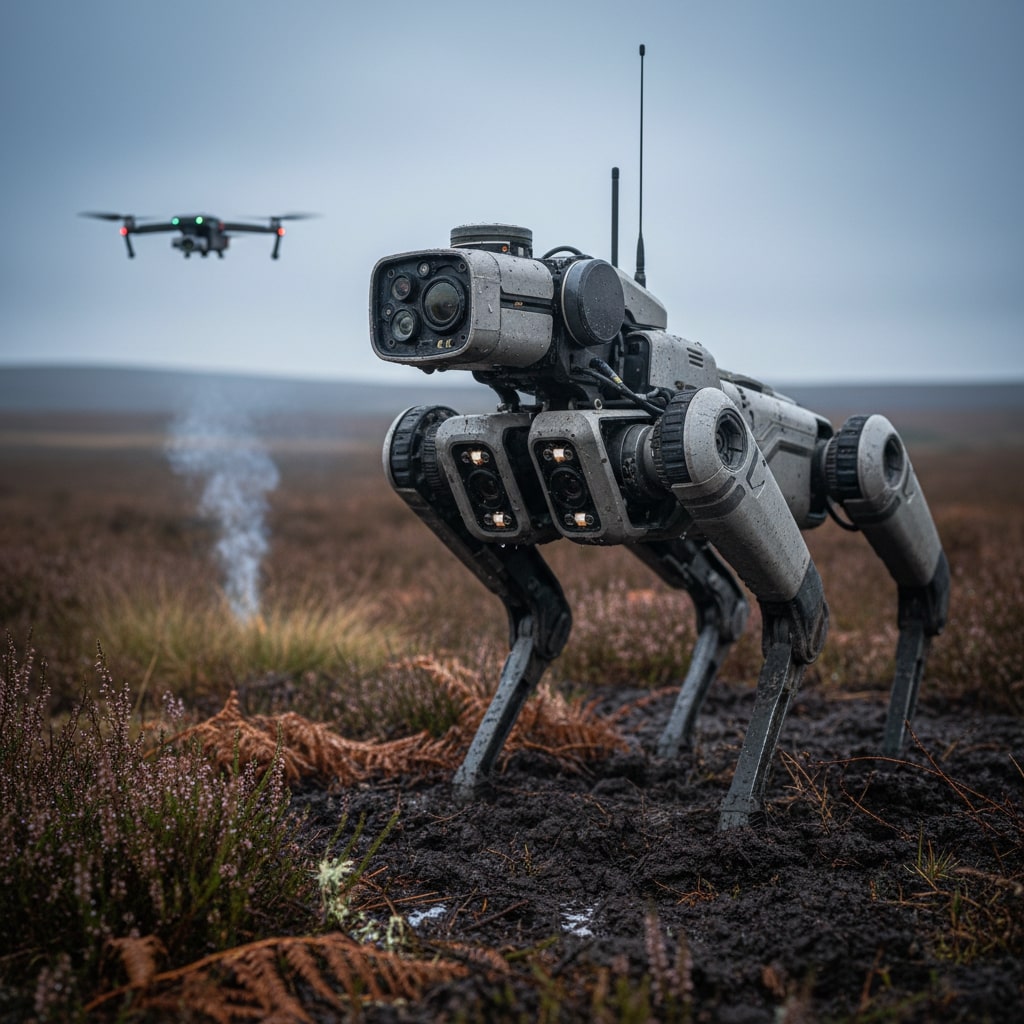
If spotting a spark minutes earlier could save homes, habitats, and summer plans, that would be worth attention. That is exactly the promise behind a new trial from the University of Bradford, where researchers are pairing agile robotic dogs with eye-in-the-sky drones and next-gen 6G connectivity to detect wildfires at the very first hint of smoke.
The pilot is headed to Greece next year as part of the EU-funded 6G‑VERSUS research program, and it showcases a smart shift in wildfire strategy that blends ground-level sensing with fast aerial coverage and instant alerts to emergency crews.
Here is what makes this genuinely noteworthy today. Early detection is everything. The combination of robot dogs on rough terrain and drones overhead enables coverage that is both close-up and wide-angle, which reduces blind spots while cutting response times.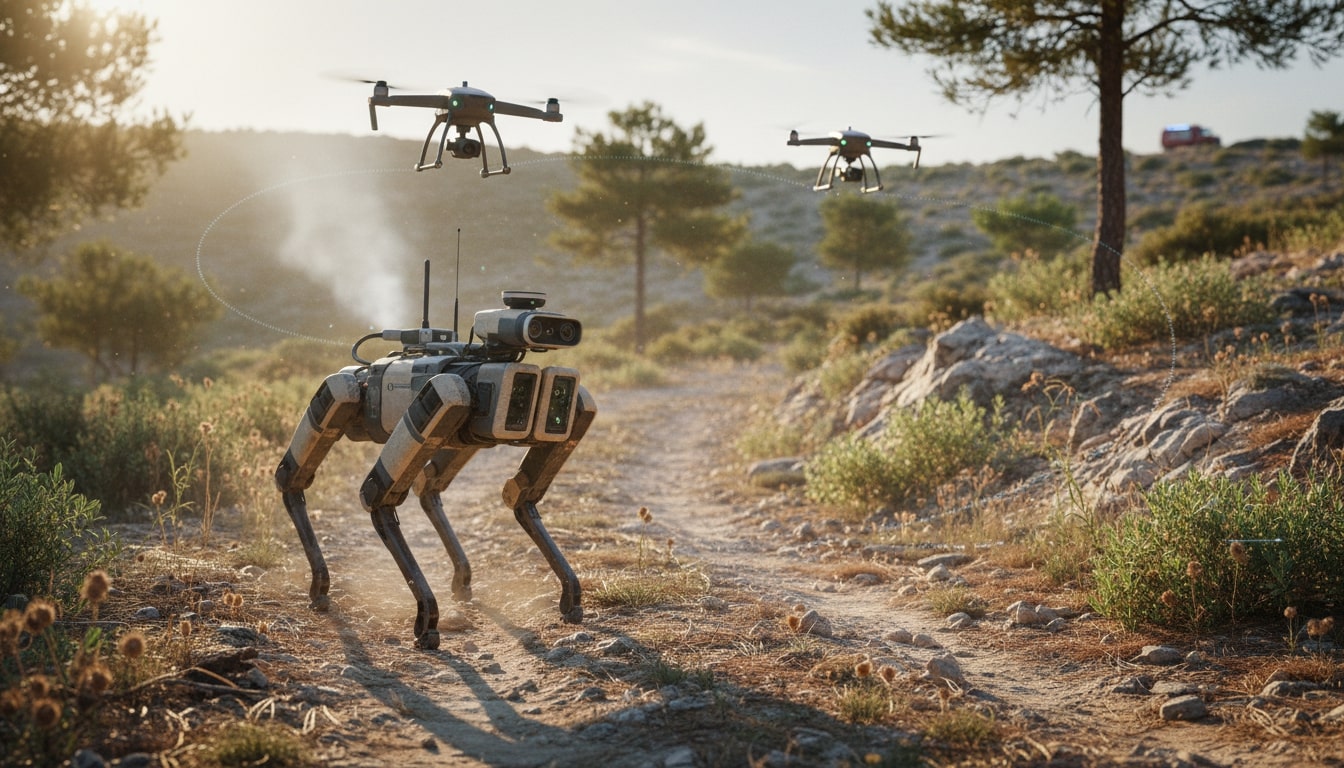
Layer in ultra-fast 6G links and you get rapid, low-latency data sharing that moves from detection to decision in moments. For communities that have watched summers grow hotter and drier, including parts of the UK like West Yorkshire, this is the kind of practical innovation that protects people, places, and budgets by stopping small fires from becoming headlines.
The human story behind the project lands with equal clarity. As Dr Kamran Mahroof explains, “The whole idea for us is to identify wildfires as soon as possible.” That simple goal unlocks a cascade of benefits that matter to families and local services. Faster alerts mean safer firefighters, fewer evacuations, and less damage to the moors and forests many of us walk, picnic, and recharge in.
West Yorkshire Fire and Rescue Service notes it already uses drones with thermal and optical cameras, mapping tools, and weather forecasts, and it is open to learning more about the Bradford team’s approach. This signals a healthy path to adoption that builds on what already works rather than reinventing the day job.
Why this matters now is straightforward. Wildfires are increasing in frequency and intensity and that trend affects travel plans, air quality, insurance costs, and the landscapes we love. A system that pairs robust ground robots with nimble drones and real-time connectivity offers a timely, scalable way to keep small incidents small. For women leading households, managing caregiving, and planning outdoor time, earlier detection is not a tech novelty. It is peace of mind.
Read the full report for the latest details and to follow the pilot’s progress at BBC News: Robotic dogs part of wildfire detection trial