Imagine being able to “shake” clean drinking water out of thin air in just a few minutes. That’s exactly what a new ultrasonic device from MIT engineers is making possible, and it could be a quiet game-changer for communities living in dry, water‑stressed regions.
We’ve known for a while that even desert air holds some moisture. Sponge‑like materials called “sorbents” can soak it up, but the tricky part has been getting that water back out. Traditional systems rely on heat, often from the sun, to evaporate the water and then condense it. That process can drag on for hours or even days, and in real life, that means waiting… and hoping the sun cooperates.
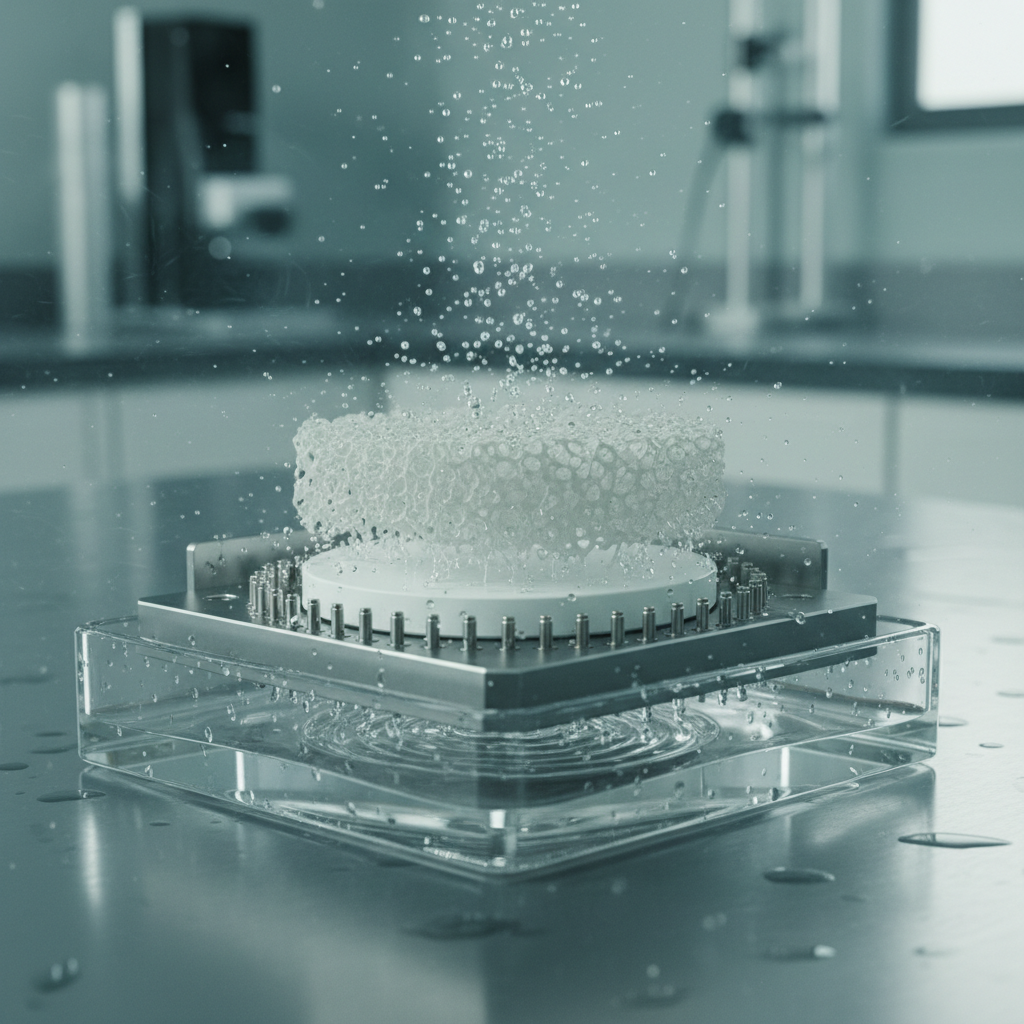
This new device takes a smarter shortcut. Instead of heating the material, it uses high‑frequency ultrasonic waves to gently but powerfully “shake” the water loose. When the sorbent, saturated with moisture from the air, is placed on the ultrasonic actuator, the vibrations break the weak bonds holding water molecules in place. The result: droplets are released in just a few minutes.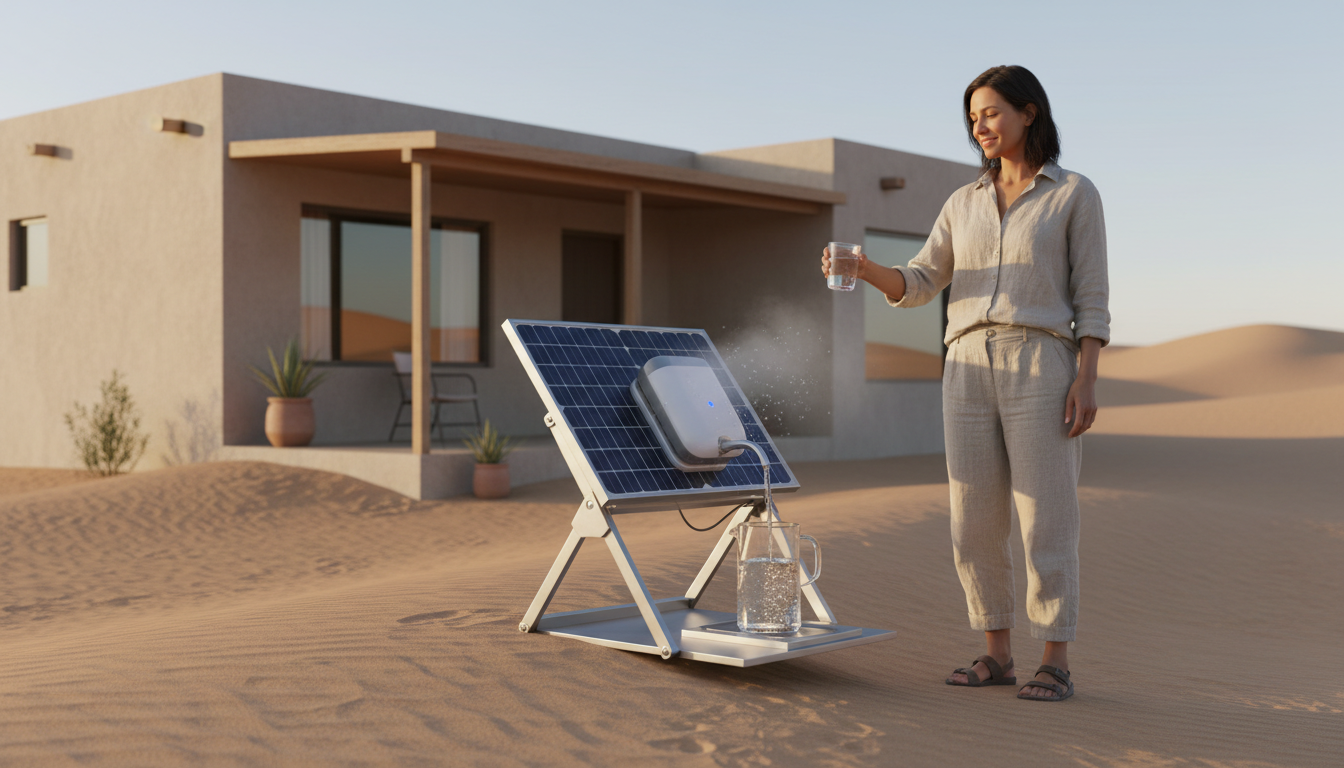
As researcher Ikra Shuvo puts it,
“With ultrasound, we can precisely break the weak bonds between water molecules and the sites where they’re sitting… this targeted disturbance creates momentum that releases the water molecules, and we can see them shake out in droplets.” It’s a wonderfully visual way to think about it, like the water is dancing its way into your glass.
What makes this truly noteworthy is efficiency. The team calculates that their ultrasonic design is 45 times more efficient than conventional solar-heat-based methods at extracting water from the same material. That doesn’t just mean “faster” in a lab; it means far more water per day in a real‑world setting, from the same footprint.
Even better, the device doesn’t need a big power supply. A small solar cell can run the actuator and even act as a sensor to detect when the sorbent is full. Picture a compact, window‑sized unit on a home in a dry region, quietly cycling through “soak and shake” multiple times a day, producing safe, drinkable water where there may be no rivers, lakes, or even seawater to desalinate.
In an era of growing water stress, from aging infrastructure in cities to drought‑prone rural areas, this kind of tech offers something rare: a hopeful, practical path forward. It’s clean, modular, and designed to complement almost any existing water‑harvesting material, making it easier to adapt and scale.
If you care about resilience, self‑reliance, and the future of clean water, especially for families living in harsh climates, this is one innovation worth knowing about.
Dive into the full article on Good News Network to see how this “shaking water from air” technology works, and what it could mean for the future of water security.