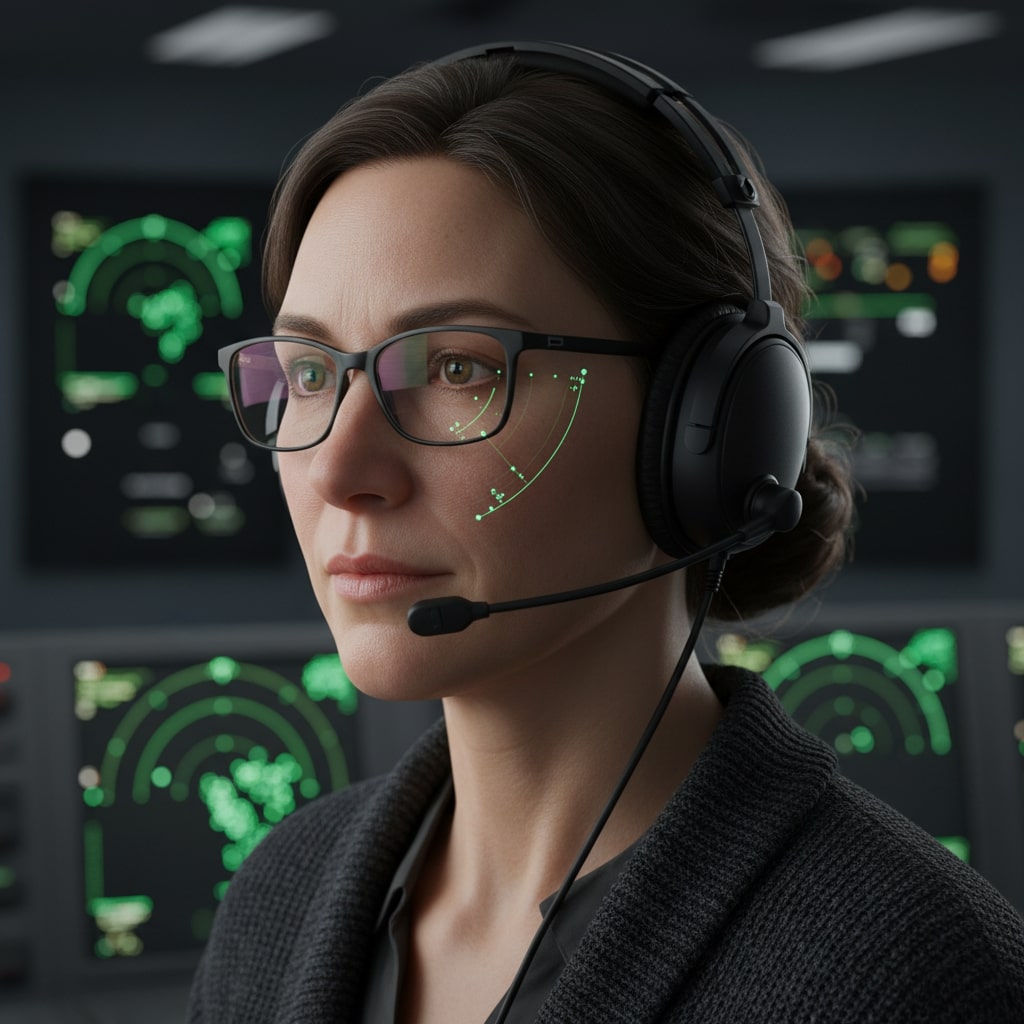
America’s air travel has had a rough season, with the recent record shutdown exposing a long running shortage of air traffic controllers. The big question now is whether artificial intelligence can help clear the backlog and keep flights moving.
The short answer is yes, but as a smart assistant rather than a replacement. The most promising role for AI is behind the scenes where it can spot weather risks early, analyze flight trajectories, and flag potential conflicts before they spiral into delays.
What makes this news truly noteworthy is the emerging feature set around AI driven trajectory prediction and ground movement monitoring. Think of it as a planning superpower for controllers. Systems under development can study thousands of data points at once, forecast where bottlenecks might form, and recommend safer, smoother spacing.
At airports like Heathrow and Fort Lauderdale, AI tools are already tracking runway exits and gate occupancy to speed up turnarounds. It is not about taking the headset away from a human. It is about giving the person wearing it clearer visibility and faster decision support.
There are real guardrails to respect. Experts point out that controllers must stay hands on and vigilant. Over automation can lull people into missing the moment when they need to step in. Certification is another hurdle since fast changing software needs extensive testing in a zero margin for error environment.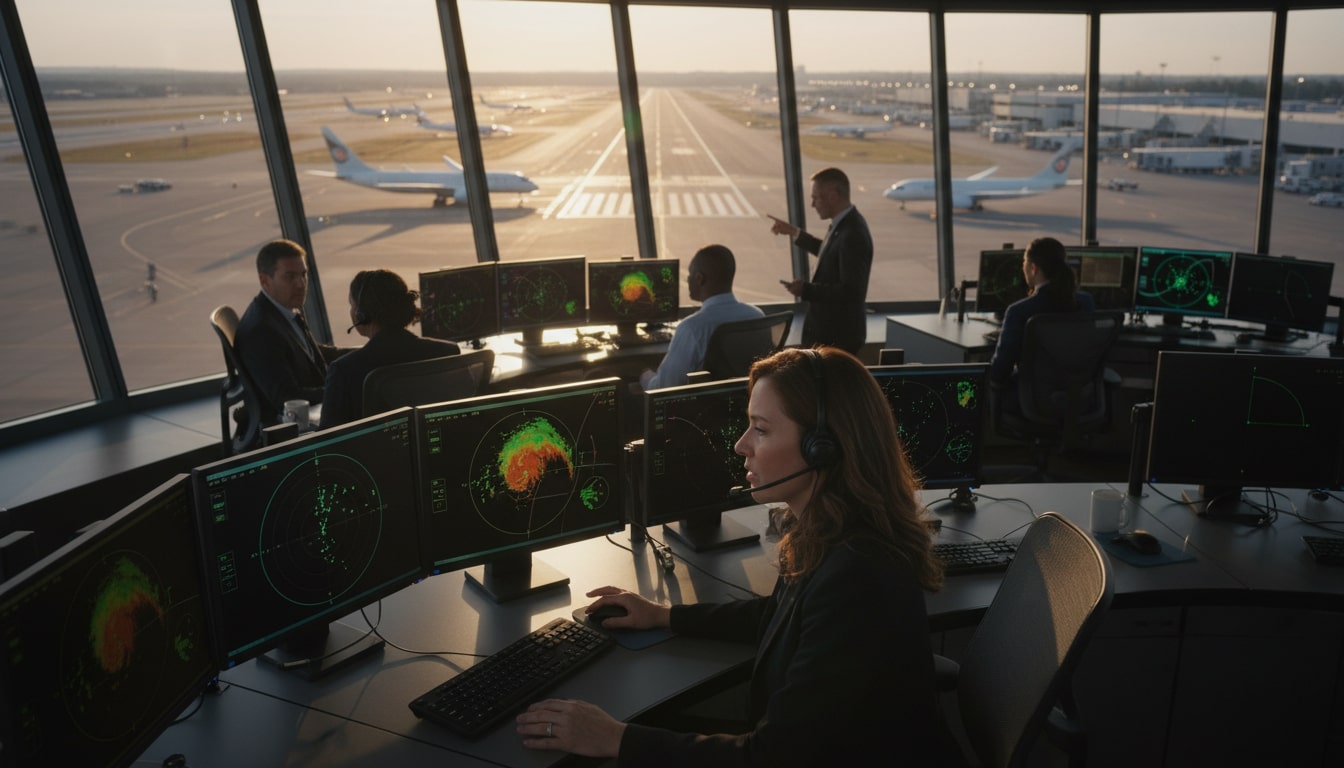
The Department of Transportation has targeted a major FAA system upgrade with new hardware and software, but timelines are stretching, which means big changes will roll out gradually.
Why this matters right now, especially for women 35 and up who often juggle family travel and tight schedules. Smarter tools can reduce avoidable delays, support safety during stormy seasons, and restore confidence that your itinerary will hold. The benefit is practical and personal. Fewer surprises at the gate. More predictable arrivals. Less time spent rebooking on a busy day.
Curious how AI could make your next trip smoother without removing the human in the tower. Read the full story at CNN Business for the details.