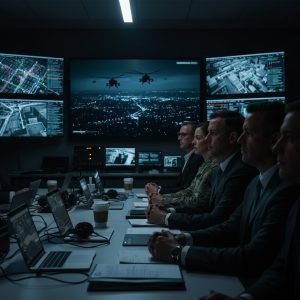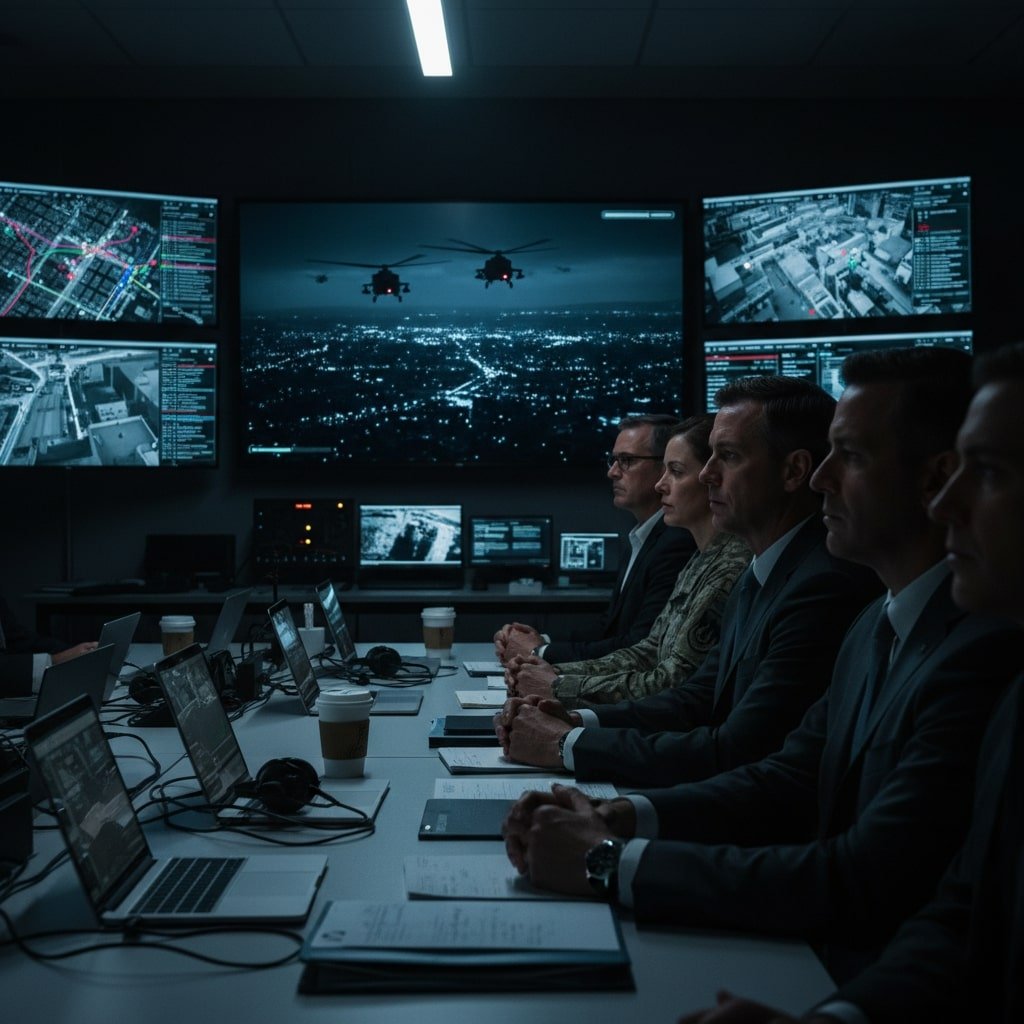
The capture of Nicolás Maduro was not just a dramatic raid, it was a showcase of how cutting edge technology now underpins modern power. The BBC report reveals a mission where data, surveillance and precision hardware quietly did as much of the heavy lifting as the elite troops on the ground.
For months, US intelligence agencies tracked Maduro with a level of details that would have been impossible a generation ago. A human source inside the Venezuelan government was only one piece of the puzzle.
Drones, reconnaissance aircraft, and other forms of remote sensing built a constantly updated picture of where the Venezuelan prisdent slept, routes he took, and the security detail of his safe house. The US forces even knows how maduro’s security team behaved under normal conditions.
the night of “Operation Absolute Resolve” took all that planning and turned it into a tightly managed, real-time execution. Reports describe more than 150 aircraft in play, including bombers, fighter jets, and reconnaissance planes, all coordinated in the airspace over and around Caracas.
Trump later called it “a fighter jet for every possible situation,” which gives you a sense of how many layers of backup and protection were built in. Some aircraft were tasked with suppressing air defences, others with surveillance, and others with providing cover if something unexpected popped up. This wasn’t one bold flight. It was a connected system built to keep options open.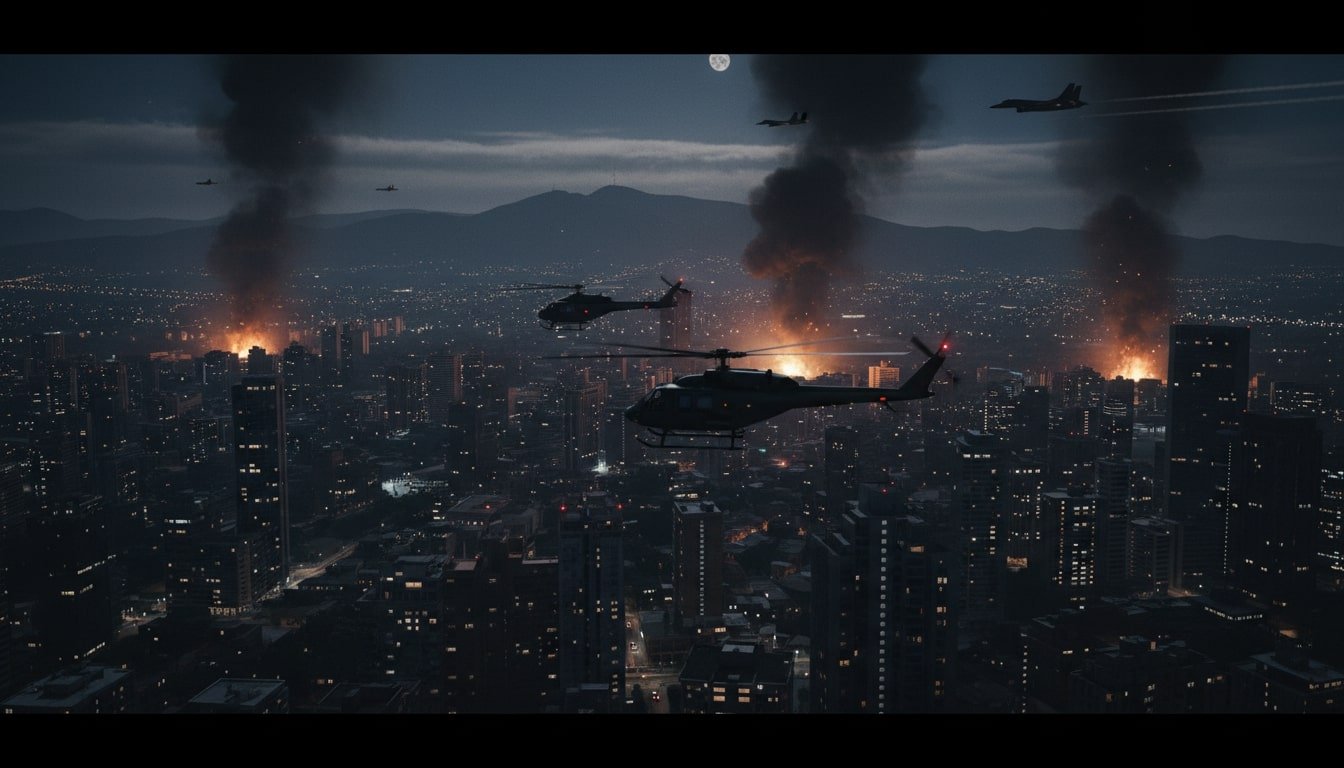
One of the most dramatic claims is that parts of Caracas were intentionally pushed into darkness. Trump said, “The lights of Caracas were largely turned off due to a certain expertise that we have. It was dark and it was deadly.”
If that happened, it could have come through cyber activity, electronic warfare, or strikes on infrastructure, but the point is the same: the blackout itself becomes a weapon. It limits what local forces can see, slows coordination, and shifts the advantage to teams with night vision, secure comms, and better situational awareness.
On the ground, the equipment matched that same edge. The teams reportedly carried practical tools like a blowtorch for cutting through metal doors, but they were also supported by live drone feeds, encrypted communication, and navigation tools designed for fast movement inside a high-risk urban target.
General Dan Caine’s line that they “sat ready, patiently waiting for the right triggers to be met” suggests a style of decision-making that leans on defined signals and thresholds, not instinct or improvisation.
If you want to see how all these technological pieces came together in one high stakes night, the full breakdown is well worth your time: CIA sources, drones and blowtorches: How the US captured Maduro.