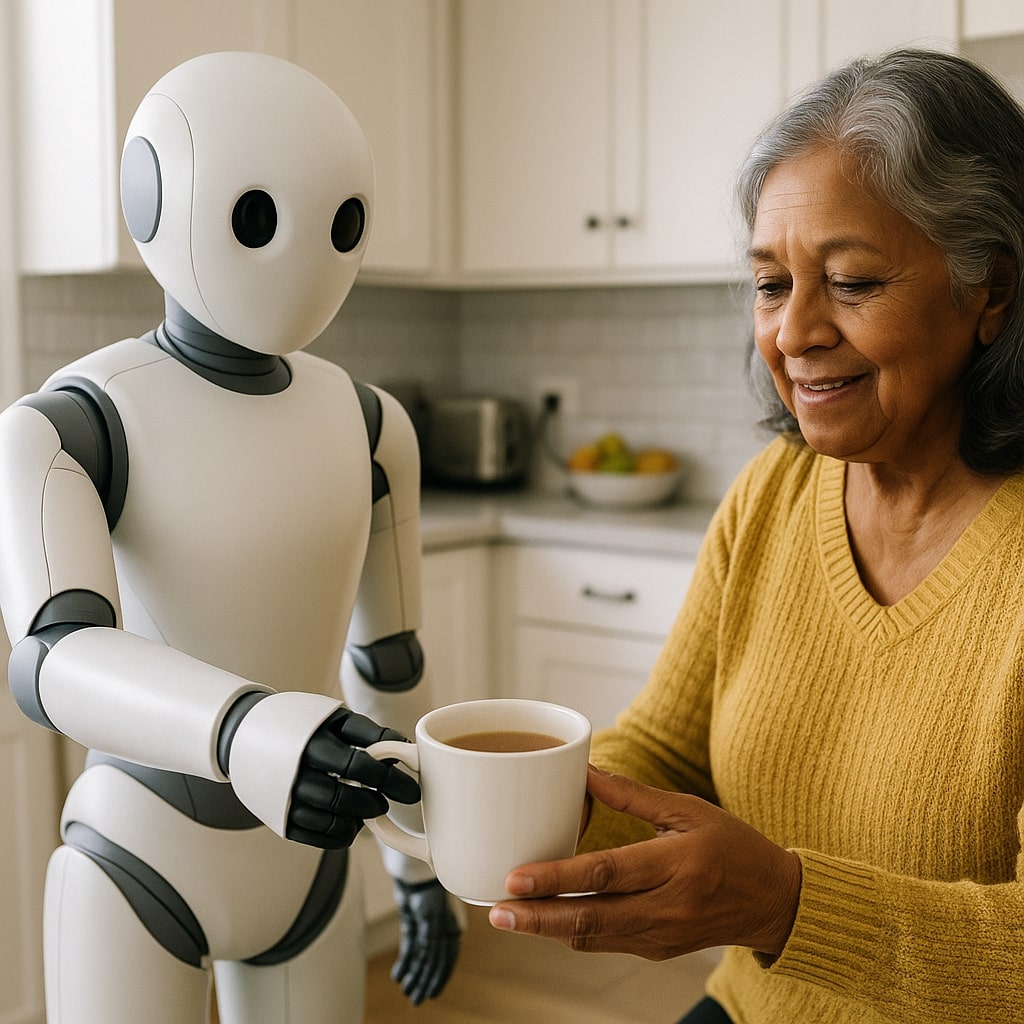
In a north-west London lab, robotic hands flex with four fingers and a thumb. They point to a future where helper robots handle cleaning, exercise coaching, and everyday assistance for older adults. The big idea isn’t sci-fi. It’s relief.
Social care faces a widening gap, with 131,000 vacancies for adult care workers in England and nearly two million seniors living with unmet care needs. Robots could pick up routine tasks so human carers spend more time on connection and comfort.
Researchers and companies are racing on two fronts.
First comes dexterity. Devices must grip a teacup, fold laundry, or steady a shoulder without fumbling. UK teams backed by the Robot Dexterity Programme are studying animal movement and building sensor-rich hands to make robots more graceful and safe.
Second comes self-maintenance. Care homes and families won’t babysit a robot. The machines need to dock themselves, manage batteries, clean up after tasks, and work with calm voices and friendly designs.
Japan’s early trials show the stakes. Robots that weren’t easy to hear, move, or manage became a burden for staff. The lesson for designers is simple. Make robots useful and delightful or they get parked in a corner.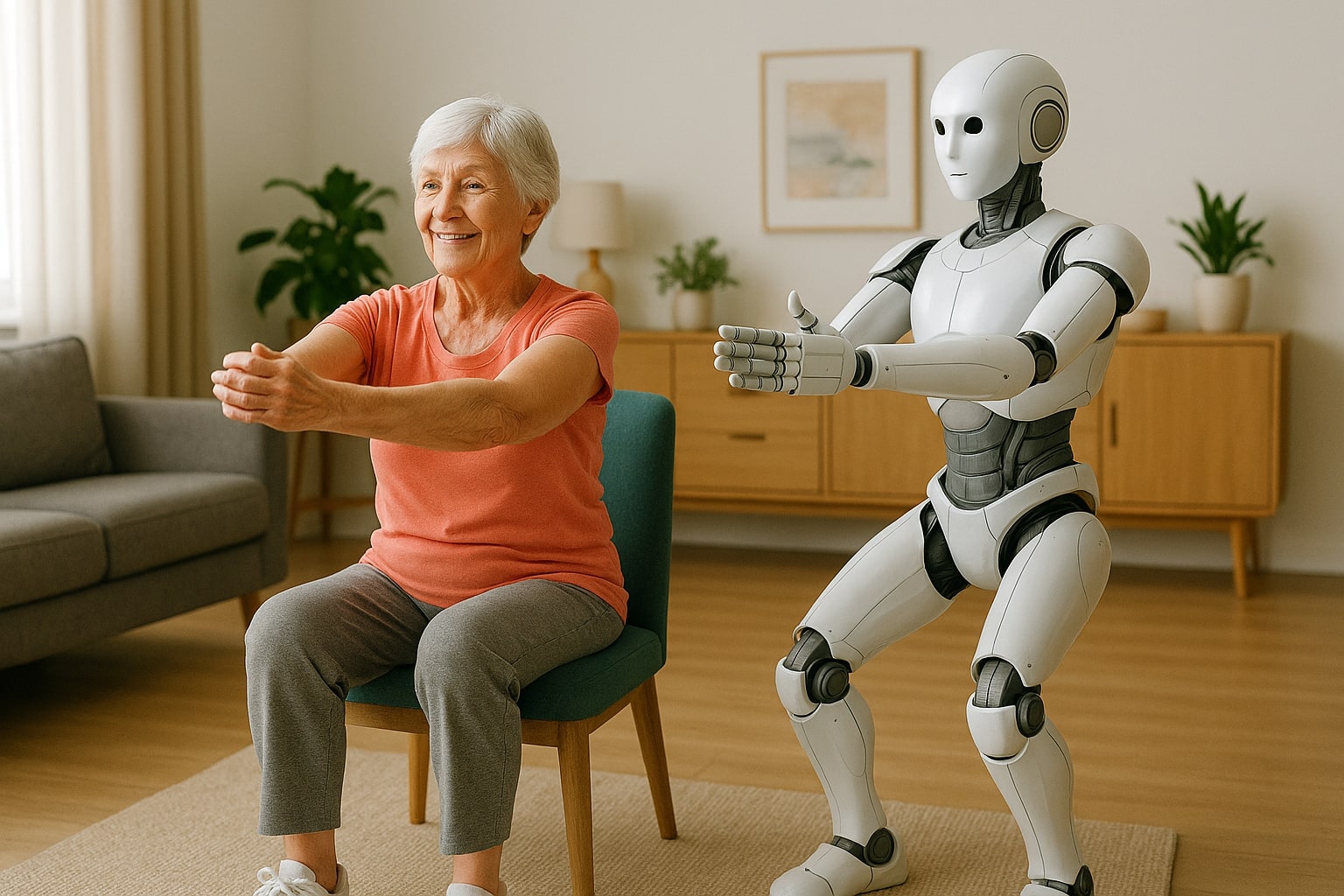
For women over 35 who often juggle work, parenting, and caring for parents, the upside is personal. A reliable helper that sets up gentle chair exercises, lifts safely, reminds about meds, and tidies hazards could reduce stress and extend independence at home.
Trust still matters. People want tools that protect dignity and never overreach. Clear limits, big red stop buttons, fall detection that calls a human, and transparent data rules help build confidence.
A line in the reporting captures the heart of the work: “If we can build systems that reduce fear and help people live with dignity, that’s incredibly motivating,” says Guggi Kofod, whose team develops artificial muscles for softer, safer motion.
Today’s prototypes aren’t perfect. Progress is fast, though, and the goal is practical help that keeps families together longer and carers focused on the human moments that count. Read the full piece for the how, the who, and the careful caveats before these helpers roll into the living room.