If you’re wondering how to decorate a bedroom, the best results come from balancing comfort, function, and style. Start by defining how you want the room to feel, cozy, airy, minimalist, or bold, then build decisions around that goal. With the right layout, a thoughtful color palette, and layered lighting, even a simple room can look polished and intentional. This guide breaks the process into easy steps so you can decorate with confidence and avoid costly mistakes.
Contents
How to Decorate a Bedroom
Knowing how to decorate a bedroom matters because your bedroom is one of the few spaces that directly affects how you rest, reset, and start each day. When you understand the fundamentals, like purpose, layout, lighting, and textiles, you avoid expensive mistakes and create a room that feels cohesive instead of cluttered.
A well-decorated bedroom also improves daily function by supporting better storage, smoother routines, and a calmer environment. Most importantly, learning how to decorate a bedroom helps you make intentional choices that reflect your style while prioritizing comfort and sleep.
Decide the Bedroom’s Purpose and Style
Before buying decor, decide what your bedroom must do and how you want it to feel. Clear intent guides every choice, helps avoid clutter, and creates a cohesive result today.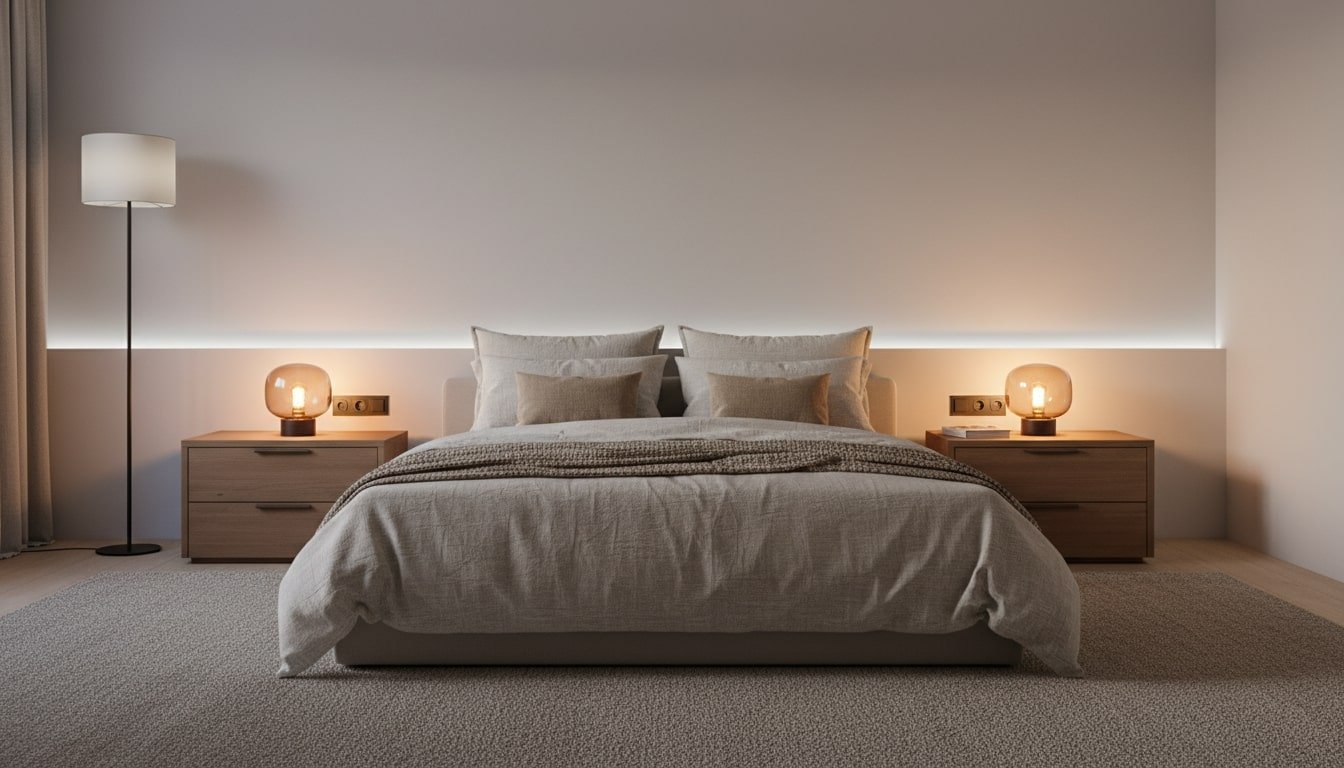
Define the room’s purpose
Your bedroom can support sleep, storage, work, or recovery. Defining priorities first prevents mismatched furniture and poor flow. Aim for a realistic daily routine, not an aspirational one only ever.
- List your top three needs, like better sleep, more storage, or a calm place to read
- Identify pain points, like cluttered surfaces, poor lighting, or awkward pathways
- Decide what does not belong, like gym gear, extra paperwork, or unused furniture
- Consider who uses the room and when, including partners, kids, or guests
- Set one measurable goal, like clear nightstands or a clear floor path to the closet
Choose a clear style direction
Style is the visual language of your room. Choose one primary style and one supporting influence to keep decisions simple. Focus on shapes, materials, and mood, then add color later.
- Pick one main style, like modern, traditional, boho, or Scandinavian
- Choose one secondary influence, like coastal textures or vintage accents
- Decide on curves versus straight lines for furniture and decor shapes
- Select two to three core materials, like wood, linen, leather, or metal
- Write three mood words, like cozy, airy, grounded, or elegant
Build a simple mood board
A mood board turns vague ideas into a plan. Collect a small set of images that share colors and textures. This reference keeps purchases consistent and helps you say no.
- Save 10 to 15 images of bedrooms you genuinely like
- Look for repeating elements, like warm woods, soft neutrals, or high contrast
- Note common textures, like bouclé, linen, velvet, or woven natural fibers
- Create a short palette with one base color, one accent, and one metal finish
- Use the board to filter purchases by asking if each item matches the reference
Measure the Room and Plan the Layout
A good layout starts with accurate measurements and a plan for movement. When you map the room first, furniture fits better, storage works harder, and the space feels calm daily.
Measure the room accurately
Start by measuring the length and width of the room, then note ceiling height. Measure each wall separately since older rooms can be slightly uneven. Record the size and position of windows, doors, and closets.
Next, map anything that affects placement, like baseboard heaters, radiators, vents, and outlets. Include door swing direction and how far closet doors or drawers need to open. A quick sketch on paper is enough if it is labeled clearly. If you prefer, mark a potential bed footprint with painter’s tape to see how much floor space remains.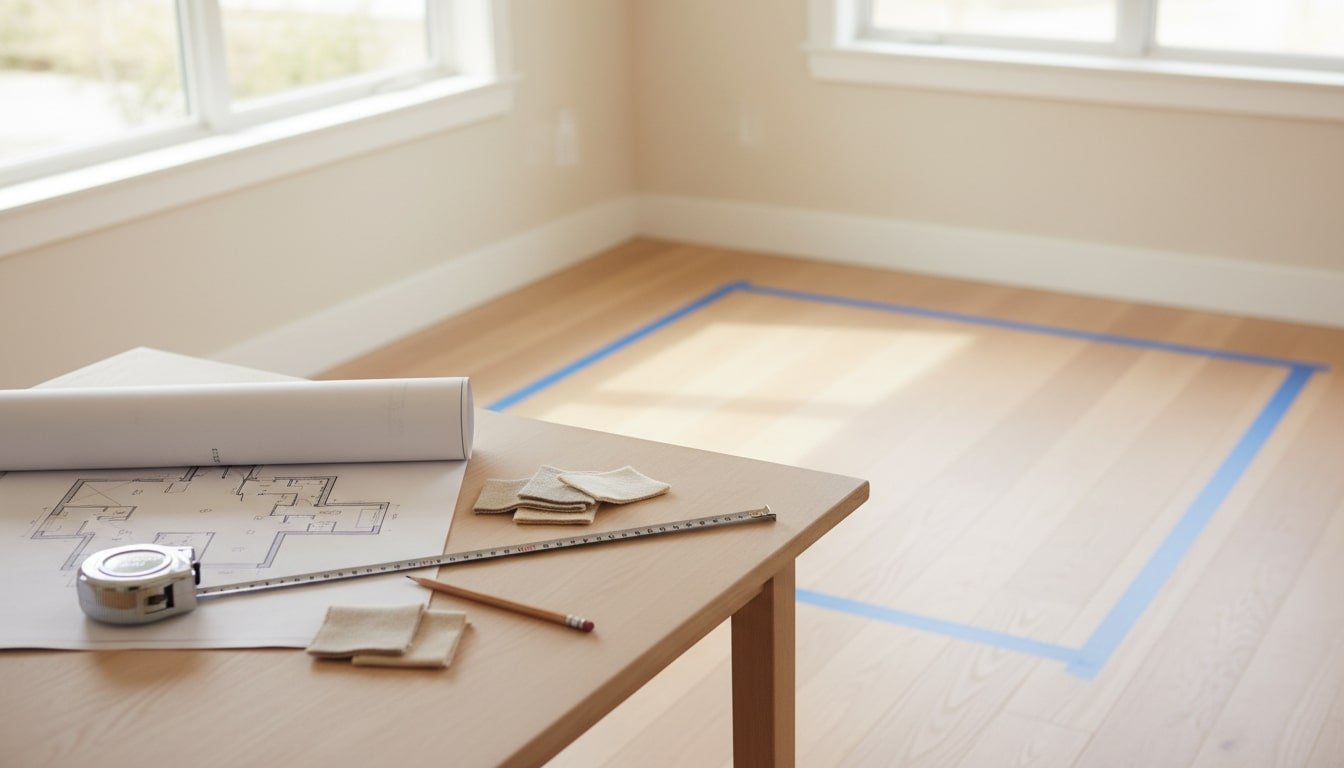
Place the bed first
The bed is the anchor, so place it before anything else. Choose a wall that feels natural as a focal point, often the wall you see first when entering. Avoid blocking windows if possible, especially if you rely on natural light or need access to curtains.
Check clearances on both sides of the bed so it is easy to make and comfortable to use. Leave enough space for nightstands and for walking without squeezing past corners. Also consider practical details like outlet access for lamps and phone charging. If the best-looking wall creates awkward circulation, prioritize comfort and flow over symmetry.
Add supporting furniture and plan circulation
Once the bed is set, add the pieces that support daily routines. Nightstands should be easy to reach, and a dresser should have enough clearance for drawers to open fully. If you want a desk or vanity, place it where light is helpful and distractions are lower.
Then test the pathways. You should be able to move from the door to the bed and to the closet without weaving around obstacles. In tighter rooms, a slimmer dresser or a tall chest can improve circulation. Think about how you actually use the room, like where you drop laundry or where you sit to put on shoes.
Adjust for small or awkward rooms
If the room is small, focus on vertical space and multipurpose pieces. Wall-mounted shelves can replace bulky nightstands, and sconces can free surface space while improving bedside lighting. A storage bed or under-bed bins can increase capacity without adding furniture.
For awkward layouts, prioritize clean sightlines and fewer, better pieces. Oversized furniture makes tight rooms feel crowded quickly. Use mirrors strategically to reflect light, but place them where they do not add visual noise. When in doubt, keep one open area of the floor visible to maintain a sense of ease.
Layer Lighting for Mood and Function
Lighting shapes how a bedroom feels and how well it works. Layer ambient, task, and accent sources to reduce shadows, improve comfort, and create relaxing scenes from day to night.
Plan three lighting layers
A layered plan combines overall brightness with focused light where you need it. This prevents harsh overhead glare and helps you switch between winding down, reading, and getting dressed easily.
- Ambient lighting: Provide general illumination with ceiling fixtures, flush mounts, or indirect floor lamps
- Task lighting: Add focused light at the bed, dresser, and desk or vanity if you have one
- Accent lighting: Use picture lights, LED strips behind a headboard, or a small lamp to create depth
Choose bedside lighting that fits your routine
Bedside lighting should support reading, relaxing, and late night movement without waking a partner. Choose fixtures that fit your nightstand space, keep switches within reach, and reduce glare for comfort.
- Pick lamps for flexibility, wall sconces to save space, or pendants for a cleaner nightstand
- Ensure the light source is at a comfortable height for reading while seated in bed
- Use shades that soften the bulb and prevent harsh light in your line of sight
- Consider independent control on each side of the bed for different schedules
- Include a low level option for night lighting, like a dim lamp or plug-in night light
Set bulb color, brightness, and controls
Bulb temperature and controls determine whether your bedroom feels calm or clinical. Use warmer light for evenings, add dimmers for flexibility, and ensure enough brightness for cleaning and mornings tasks.
- Choose warm white bulbs for a relaxing feel, typically in the 2700K to 3000K range
- Look for high color quality, such as CRI 90+, so textiles and paint look accurate
- Add dimmers where possible to shift from bright to soft without changing fixtures
- Use smart bulbs or smart switches to set scenes like Relax, Read, and Morning
- Avoid overly bright, cool bulbs near the bed if you struggle to fall asleep
Pick Textiles That Add Warmth and Depth
Textiles are the fastest way to make a bedroom feel cozy and finished. Layering fabric adds color, softness, and sound control while letting you refresh the look without changing furniture.
Build bedding layers that feel inviting
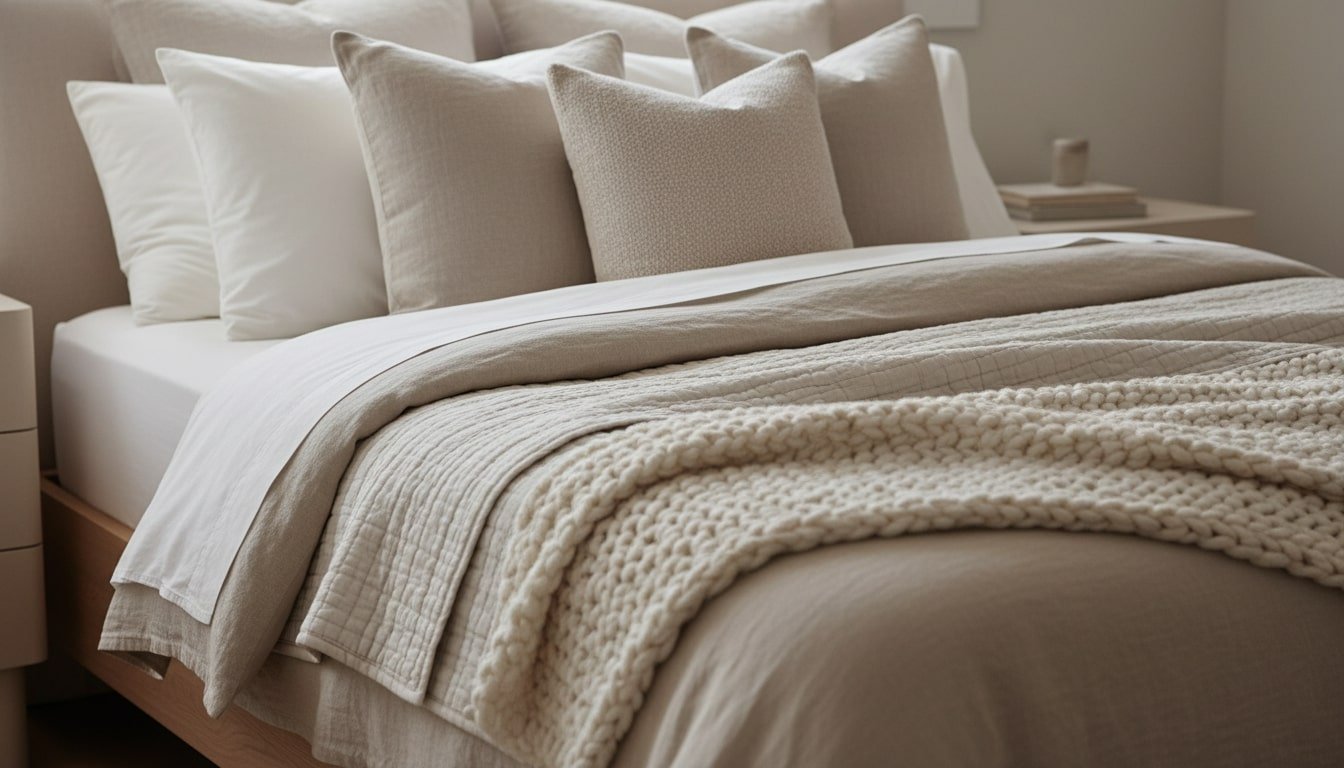
Start with breathable sheets that match your climate. Cotton percale feels crisp, linen feels relaxed, and sateen feels smooth. Choose a duvet or comforter with enough loft to look plush, then add a cover that ties into your palette.
Finish with one textured layer like a quilt, coverlet, or throw at the foot of the bed. Use pillows in a simple formula: sleeping pillows, two shams, and one accent cushion. Mixing two to three textures, such as linen, knit, and velvet, adds depth without looking busy. If patterns feel risky, keep the bedding solid and bring pattern in one small piece.
Use window treatments to soften the room and improve sleep
Window textiles soften hard lines and improve sleep by controlling light. For most bedrooms, curtains that reach close to the floor look more tailored than short panels. Hang the rod wider than the window so fabric stacks off the glass and the room feels larger.
Choose lining based on your needs. Blackout lining helps for shift work or streetlights, while light filtering creates a gentle glow. Sheers can add privacy during the day when layered behind heavier panels. If you prefer a cleaner look, consider Roman shades in linen or woven wood, then add side panels for softness. Match curtain color to wall paint for calm, or pick a deeper tone for contrast.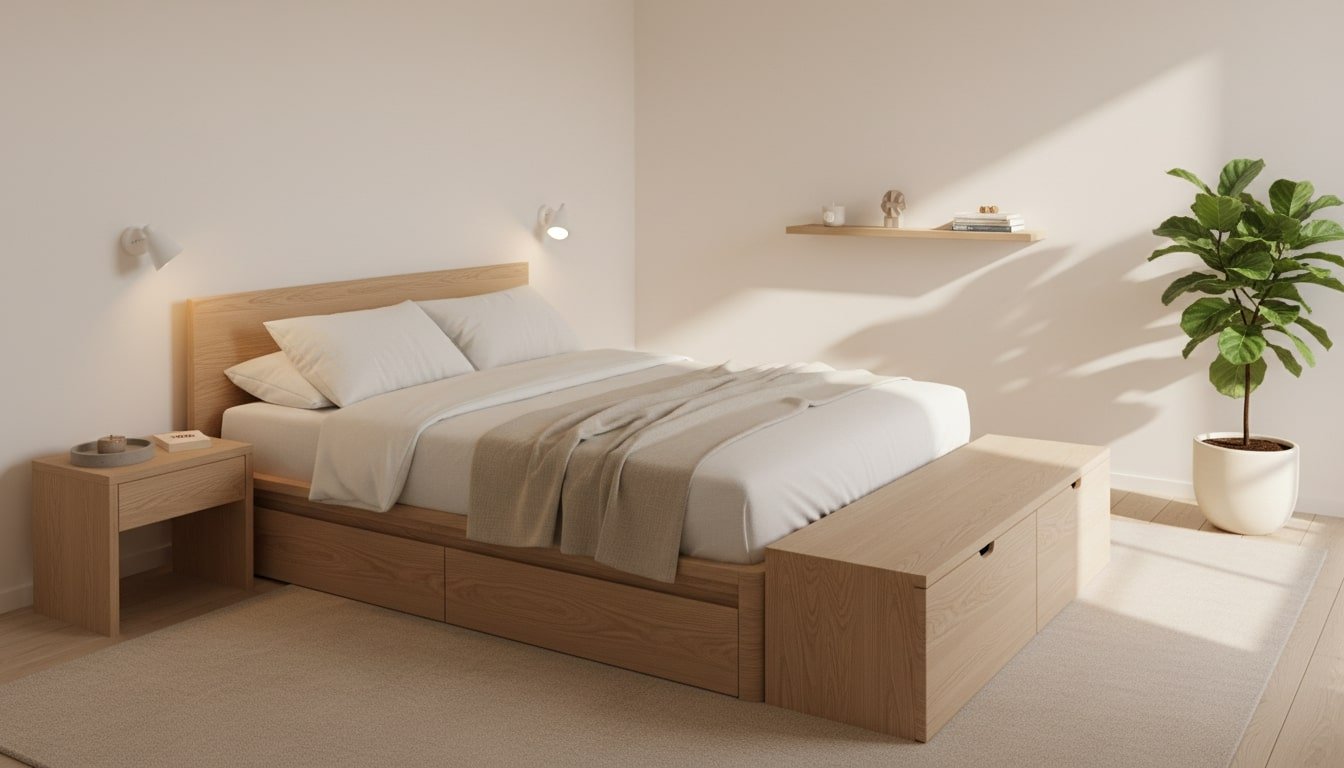
Anchor the space with rugs and supporting fabrics
A rug adds warmth underfoot and visually anchors the bed. In most layouts, choose a rug large enough that the front two thirds of the bed sits on it, leaving a soft landing on both sides. If a large rug is not possible, use two runners that start near the nightstands and extend past the foot of the bed.
Add smaller textiles to round out the room. An upholstered bench, a fabric headboard, or a cushion on a reading chair brings softness to hard furniture. Keep a consistent texture story, like natural fibers with one plush accent. For easy upkeep, pick washable throws and consider performance fabrics if you have pets. Rotate textiles seasonally for a quick refresh.
Conclusion
Knowing how to decorate a bedroom comes down to making a few smart decisions in the right order, starting with purpose, layout, and a clear style direction. Once those basics are set, textiles and layered lighting quickly add comfort, warmth, and a finished look. Keep the room functional by protecting circulation paths and choosing storage that reduces visual clutter. Finally, refine with a few personal details so the space feels like yours without feeling overcrowded.
FAQ: How to Decorate a Bedroom
- What is the best order to decorate a bedroom?
- Start with function, then scale, then finishes. Define how you use the room, measure walls and clearances, and place the bed. Next choose large pieces, then paint and window treatments. Add layered lighting, rugs, and bedding. Finish with art, plants, and storage containers for clutter control. Keep choices consistent throughout.
- How do I make my bedroom look expensive on a budget?
- To look expensive, reduce visual noise and upgrade a few touchpoints. Use full length curtains hung high, matching warm bulbs, and one large rug. Choose cohesive bedding with a textured throw. Swap small decor for oversized art. Hide cords, use trays, and keep surfaces mostly clear. Add matching bedside lamps.
- How can I decorate a bedroom to sleep better?
- Prioritize darkness, quiet, and gentle routines. Install blackout shades or lined curtains, then use warm dimmable lamps instead of bright overhead light at night. Keep the bed area uncluttered and avoid stimulating colors near pillows. Add a rug to soften noise and keep electronics across the room to improve sleep.
- What size rug should I use in a bedroom?
- Aim for a rug that extends beyond the bed so your feet land on softness. Ideally the rug reaches past both sides and the foot. In smaller rooms, place the front two thirds of the bed on one rug, or use two runners. Leave a border of floor for balance.
- What are the most common bedroom decorating mistakes to avoid?
- Common mistakes include buying furniture before measuring, blocking closet doors, and relying on a single ceiling light. Avoid tiny rugs and short curtains that cut the room in half. Too many small decor items create clutter. Choose fewer pieces with purpose, keep walking paths clear, and match finishes for cohesion.